What We Left Behind Arc Raiders Unveils Starfields Forgotten Legacy
Table of Contents
- Unpacking What We Left Behind in Arc Raiders : Thematic Exploration of Survival, Legacy, and Abandonment
- Contrasting Past and Present in Arc Raiders : The Arc of Human Expansion and Decline
- Legacy and the Weight of History in Arc Raiders
- Comparative Analysis: Abandoned Locations in Arc Raiders vs. Starfield
- Gameplay Mechanics and Missions: What We Left Behind as a Catalyst for Evolution in Arc Raiders
- Mission Structure: Salvage Operations and Exploration-Based Quests
- Comparison: What We Left Behind Missions vs. Base-Game Objectives
- Derelict Ships and Ruins as Interactive Gameplay Elements
- Exclusive Weapons, Gear, and Modules from What We Left Behind
- Lore Deep Dive: The History and Science Behind Abandoned Worlds in What We Left Behind
- Origins and Purposes of Abandoned Worlds
- Timeline of Collapse: Key Events Leading to Abandonment
- Technological and Scientific Remnants: Pre-Collapse Innovations
- Factions and Their Roles in the Abandonment of Lost Worlds
- Character Spotlights: The Faces of Abandonment in What We Left Behind
- Survivors with a Purpose: The Human Remnants of Forgotten Worlds
- Scavengers and Opportunists: The New Lords of Ruined Worlds
- Moral Dilemmas and Branching Fates: How Player Choices Reshape Abandoned Worlds
- Thematic Significance Through Dialogue: Standout Quotes and Their Weight
- Redemption, Survival, and the Search for Meaning
- Visual and Audio Design: Crafting the Atmosphere of Abandonment in What We Left Behind
- Visual Design: Lighting, Textures, and Environmental Storytelling
- Audio Design: The Language of Silence and Echo
- Dynamic Weather and Lighting: Shaping the Mood of Ruins
- Iconic Moments: Where Visual and Audio Design Converge
- Player Strategies and Tips for What We Left Behind : Mastering Abandonment in Arc Raiders
- Optimizing Loot and Resource Collection in Abandoned Locations
- Navigating Dangerous and Puzzling Ruins
- Leveraging Unique DLC Mechanics for Competitive Advantages
- Comparative Table: Most Valuable Items in What We Left Behind Missions
- Maximizing Faction Reputation Through What We Left Behind Quests
- Checklist for Tackling What We Left Behind ’s Hardest Missions
- Behind-the-Scenes: Development Insights and Creator Intent in What We Left Behind
- Vision and Thematic Alignment Between Starfield and Arc Raiders
- Development Challenges: Balancing Exploration and Combat
- Influence of Real-World Themes: Colonialism and the Ethics of Discovery
- Development Timeline: Key Milestones and Community Influence
- Fan Theories and Unanswered Questions in What We Left Behind : Decoding the Mysteries of Abandoned Worlds
- Popular Fan Theories Linking Abandoned Worlds to Starfield ’s Broader Lore
- Unanswered Questions and Potential Future Lore Expansions
- Hidden Easter Eggs and Environmental Clues Pointing to Deeper Mysteries
- Exploring Theories Through In-Game Actions and Future Content
What We Left Behind in Arc Raiders does more than expand the boundaries of Bethesda’s space-faring RPG—it forces players to confront the haunting weight of abandonment in a galaxy built on exploration. This DLC transforms derelict ships, collapsed colonies, and lost civilizations into more than just loot-filled backdrops; they become silent witnesses to humanity’s rise and fall. Through environmental storytelling and emotionally charged narratives, the expansion reveals how Arc Raiders blurs the line between discovery and exploitation, where every ruin holds clues to Starfield’s grander history. The title itself is a provocation: what do we discard when chasing progress, and what do we lose when we move on?
From the skeletal remains of pre-Collapse megastructures to the whispered last transmissions of doomed settlers, What We Left Behind digs deep into the consequences of unchecked ambition. The DLC’s missions aren’t just about scavenging tech or uncovering secrets—they’re about reckoning with the past, whether through the eyes of a scavenger salvaging a dead world’s final remnants or a Pathfinder piecing together the fragments of a forgotten empire. By weaving together lore, gameplay, and atmospheric design, the expansion turns Arc Raiders into a meditation on legacy, survival, and the ethical cost of leaving civilizations behind. Whether you’re a lore enthusiast or a hardcore raider, this DLC demands players ask: who gets to decide what’s worth remembering?

Unpacking What We Left Behind in Arc Raiders: Thematic Exploration of Survival, Legacy, and Abandonment
What We Left Behind in Arc Raiders serves as a poignant narrative arc that delves into the consequences of human expansion across the galaxy, where survival is not just a physical struggle but a psychological and emotional burden. The story contrasts the arc’s past—marked by ambition, exploration, and the relentless drive to colonize—with its present, a fractured landscape of abandoned outposts and derelict ships. This thematic exploration reveals how the Arc Raiders setting embodies the cyclical nature of civilization: rise, expansion, and inevitable decline. The title itself, What We Left Behind, encapsulates the weight of history, where every ruin, every forgotten colony, and every discarded artifact carries the echoes of those who once thrived and later perished. The narrative forces players to confront the legacy of abandonment—not just as a backdrop, but as a defining force shaping the galaxy’s future.

The core themes of survival, legacy, and abandonment are woven into the fabric of Arc Raiders, reflecting Starfield’s broader exploration of humanity’s impact on the cosmos. Survival, in this context, transcends mere endurance; it becomes a question of preserving identity amid isolation, where every decision—whether to salvage, destroy, or repurpose—echoes with moral weight. Legacy manifests in the physical remnants of past civilizations, from the skeletal remains of derelict ships to the half-buried ruins of failed colonies, each telling a story of hope, desperation, and eventual oblivion. Abandonment, the most visceral theme, is not merely a plot device but a psychological force that haunts characters and environments alike, blurring the line between past and present.
Contrasting Past and Present in Arc Raiders: The Arc of Human Expansion and Decline
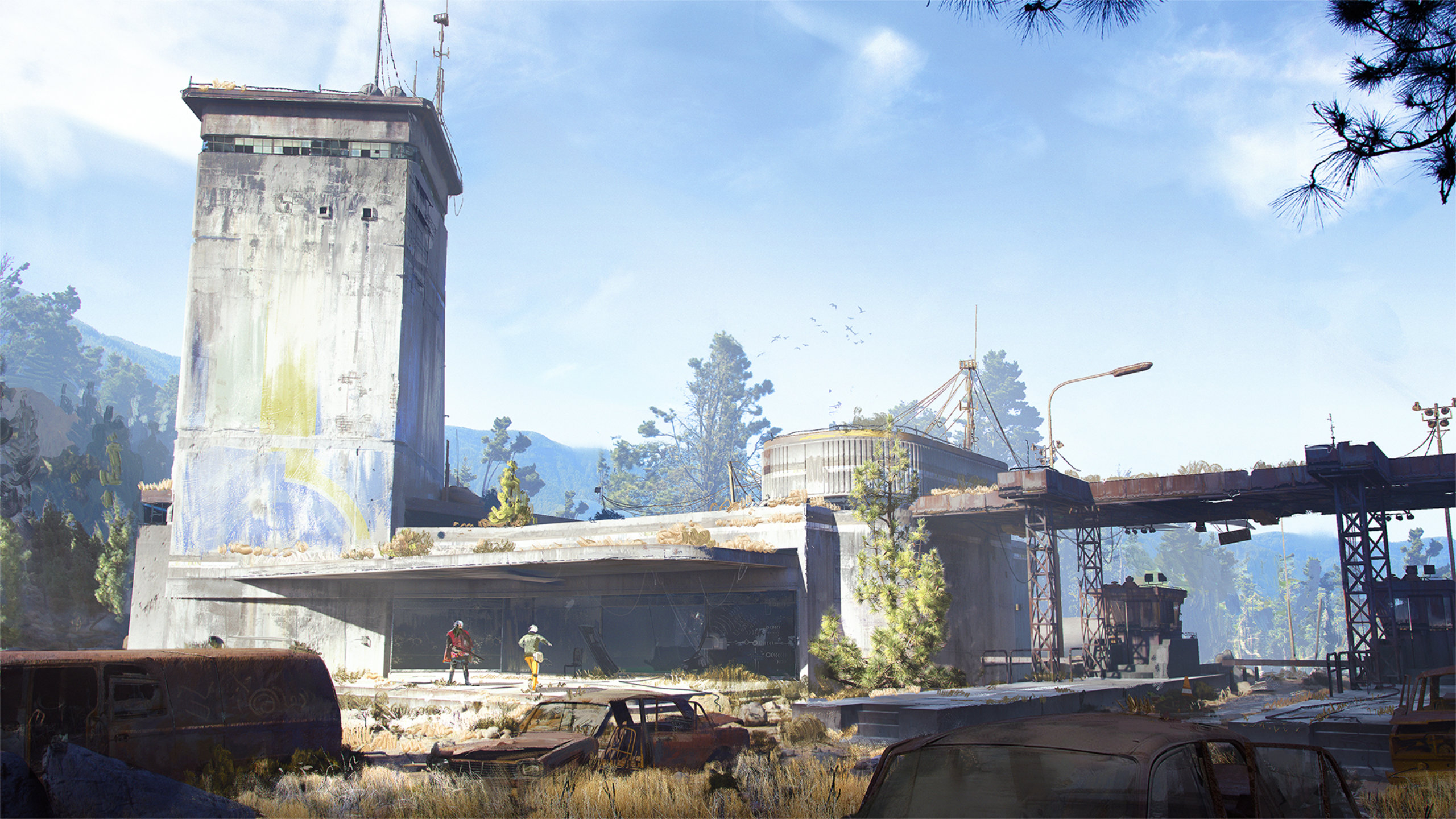
The narrative of What We Left Behind hinges on a stark contrast between the golden age of Arc Raiders’ early missions—when humanity’s expansion was driven by optimism and technological prowess—and the grim reality of its later stages, where isolation, resource scarcity, and systemic collapse became the norm. This dichotomy is most evident in the progression of Arc Raiders’ story missions, which begin with high-stakes exploration and the establishment of new colonies, only to devolve into the scavenging of abandoned outposts and the negotiation of survival in a lawless frontier.
One of the most critical turning points occurs during the Colony Wars era, where the Arc Raiders’ crew is thrust into conflicts over dwindling resources, leading to the abandonment of once-thriving settlements like New Haven or Eden Prime. These locations, once bustling with activity, now stand as hollowed-out husks, their ruins littered with the detritus of a society that collapsed under its own weight. The contrast is further amplified in derelict ships like the USS Vanguard, a once-proud vessel now adrift in the void, its crew either dead or scattered, their final transmissions playing on loop—“We’re running out of air… nobody’s coming.” This juxtaposition underscores the fragility of human ambition, where progress is fleeting and decline is inevitable without sustained effort.
The Starfield lore reinforces this theme through the Constellation Program, a precursor to the Arc Raiders’ missions that sought to establish self-sufficient colonies across the galaxy. Many of these colonies, such as Proxima Centauri’s outposts, met similar fates: abandoned due to political strife, resource depletion, or catastrophic failures. What We Left Behind explicitly ties into this history, framing the Arc Raiders’ crew as both heirs and witnesses to these failures, tasked with either repeating history or breaking the cycle.
Legacy and the Weight of History in Arc Raiders
The emotional resonance of What We Left Behind lies in its portrayal of legacy as both a burden and a beacon. Legacy, in this context, is not merely about the physical remnants of the past but the psychological imprint they leave on those who encounter them. Characters in Arc Raiders frequently grapple with the ghosts of abandoned colonies, whether through environmental storytelling—such as the flickering holograms of long-dead scientists in a ruined research facility—or through dialogue, where NPCs like Commander Elias Voss lament the loss of their crew, stating:
“We built this outpost to last. But last how long? A year? Five? We didn’t account for the silence.”
This sentiment encapsulates the theme of legacy: the realization that even the most meticulously planned settlements are vulnerable to the indifference of time.
The game employs environmental storytelling to convey the weight of history through specific locations: - Derelict Ships: Vessels like the CSS Discovery or the USS Horizon are frozen in moments of crisis, their interiors strewn with personal effects—half-eaten meals, children’s drawings, and final log entries. These details humanize the abandonment, making the decay feel personal rather than abstract. - Ruined Colonies: Outposts such as Blackwater Den or Red Mesa are not just locations to loot but narrative time capsules. The crumbling infrastructure, overgrown vegetation, and scattered corpses tell a story of a society that collapsed from within, whether due to famine, war, or environmental neglect. - Abandoned Research Facilities: Sites like Project Pegasus or The Obsidian Vault reveal the hubris of past civilizations, where scientific ambition outpaced ethical considerations, leaving behind biological horrors or unstable experiments that now haunt the present.
These locations serve as mirrors for the player’s own actions. Every decision to salvage, destroy, or ignore a ruin carries the potential to either honor or betray the legacy of those who came before, reinforcing the theme that history is not passive—it is an active force shaping the future.
Comparative Analysis: Abandoned Locations in Arc Raiders vs. Starfield
While Starfield features numerous abandoned locations, What We Left Behind in Arc Raiders distinguishes itself through its focus on human-made collapse rather than alien or cosmic threats. Below is a comparative table highlighting key differences in lore significance and gameplay mechanics between Arc Raiders’ ruins and other notable locations in Starfield:
| Location Type | Arc Raiders (What We Left Behind) | Starfield (General Lore) | Key Differences |
|---|---|---|---|
| Derelict Ships | CSS Discovery, USS Vanguard (crew abandonment, resource depletion) | CSS Excalibur (piracy, alien attack), CSS Shenzhou (mutiny) | Arc Raiders ships emphasize systemic failure (e.g., oxygen leaks, failed repairs) over external threats. |
| Ruined Colonies | Blackwater Den (gang warfare), Red Mesa (disease outbreak) | Proxima Station (alien invasion), Ceti Alpha V (economic collapse) | Arc Raiders colonies highlight internal societal collapse (e.g., governance failure, moral decay) rather than external invasions. |
| Research Facilities | Project Pegasus (genetic experiments), The Obsidian Vault (unstable tech) | The Atlas (ancient alien tech), The Vault (Constellation secrets) | Arc Raiders facilities focus on human experimentation gone wrong, while Starfield’s often involve alien mysteries. |
| Military Outposts | Fortress Omega (abandoned due to mutiny), Eden Prime (resource wars) | The Last Beacon (final stand against aliens), New Chicago (occupied by Constellation) | Arc Raiders outposts reflect failed military strategies, whereas Starfield’s often depict heroic last stands. |
| Scavenger Camps | The Scrapyard (survivor communities), Ghost Town (deserted traders) | The Scrapheap (Constellation refugees), The Dregs (outcasts) | Arc Raiders camps are temporary survival hubs, while Starfield’s often serve as permanent underworlds. |
The table underscores how What We Left Behind in Arc Raiders prioritizes human-driven narratives of decline, whereas Starfield’s broader lore incorporates cosmic and alien influences as catalysts for abandonment. This distinction reinforces Arc Raiders’ role as a microcosm of human fragility, where the past is not just a relic but a warning.
Gameplay Mechanics and Missions: What We Left Behind as a Catalyst for Evolution in Arc Raiders
The What We Left Behind DLC redefines Arc Raiders by transforming its core gameplay into a dynamic interplay between survival, salvage, and thematic immersion. Unlike the base game’s structured combat-focused missions, this expansion introduces a layered approach where exploration and environmental interaction dictate progression. Missions now demand adaptability—whether navigating derelict ships riddled with hazards, negotiating with factions over abandoned tech, or racing against time to salvage critical resources before rival crews. The DLC’s mission architecture prioritizes player-driven discovery, shifting the focus from linear objectives to emergent storytelling where every ruin, faction contact, or salvage operation carries narrative weight.
The expansion’s mechanics integrate seamlessly with Arc Raiders’ existing systems while introducing modular mission design, where players must balance risk, resource management, and faction alliances. Salvage operations, for instance, require players to scavenge derelict vessels for blueprints, fuel, or weapons while evading automated defenses or rival scavengers. Exploration-based quests, such as uncovering lost outposts, often involve puzzle-like environmental challenges, such as repairing broken systems to unlock new areas or deciphering alien inscriptions to access hidden tech. These missions are not just side content—they reshape the player’s strategic approach, forcing them to prioritize long-term gains over short-term combat victories.
Mission Structure: Salvage Operations and Exploration-Based Quests
What We Left Behind replaces traditional "kill X enemies" objectives with multi-phase missions that reward curiosity and preparation. A key example is "Ghosts of the Eclipse", a flagship salvage mission where players board a derelict Pathfinder research vessel drifting in a high-risk sector. The mission unfolds in three critical stages:
1. Initial Boarding and Hazard Navigation Players must dock with the ship while avoiding debris fields and automated turrets. Upon entry, they encounter environmental threats—radiation leaks, structural collapses, and malfunctioning drones—that require quick thinking to bypass or repair. Unlike base-game missions, failure here doesn’t just mean respawns; it can result in permanent loss of crew members or critical gear.
2. Salvage and Puzzle Solving The ship’s core systems are disabled, forcing players to scavenge for power cells to restore lighting, oxygen, and navigation. Hidden compartments reveal alien data logs, which can be traded for faction reputation or unlocked as blueprints for new modules. A central puzzle—reassembling a fractured AI core—must be solved to access the ship’s highest-tier loot, a prototype quantum scanner capable of detecting hidden derelicts.
3. Faction Negotiation and Escape The mission’s climax involves a choice: sell the AI core to a corporate faction for immediate credits or deliver it to the Pathfinder remnant for a long-term alliance boost. This decision alters subsequent missions, unlocking either military-grade upgrades or exclusive exploration tools. The escape sequence adds urgency, as rival crews converge on the salvage site, requiring players to outmaneuver or fight their way out under time pressure.
This structure exemplifies the DLC’s narrative-driven gameplay, where every action has mechanical and story consequences. Unlike base-game missions, which often conclude with a straightforward victory, What We Left Behind missions leave players with tangible rewards and lingering questions, encouraging further exploration.
Comparison: What We Left Behind Missions vs. Base-Game Objectives
The DLC’s missions diverge from Arc Raiders’ traditional combat-heavy design in objectives, rewards, and player engagement. Below is a comparative analysis:
| Aspect | Base-Game Missions | What We Left Behind Missions |
|---|---|---|
| Primary Objective | Eliminate enemy factions or defend territory. | Salvage, explore, or recover lost tech with environmental hazards. |
| Reward Focus | Credits, standard weapons, or faction favors. | Exclusive blueprints, derelict schematics, or faction-specific upgrades. |
| Player Agency | Linear progression with fixed checkpoints. | Branching paths (e.g., sell vs. deliver loot) and permanent consequences. |
| Risk vs. Reward | High-risk combat scenarios with respawns. | Permanent losses (crew, gear) if environmental threats aren’t managed. |
| Narrative Integration | Minimal; missions serve as combat training. | Thematic immersion—each mission ties to Arc Raiders’ lore of abandonment and legacy. |
| Post-Mission Impact | Temporary buffs or unlocks. | Long-term faction relationships or new exploration opportunities. |
The DLC’s missions demand a shift in player mindset, moving from repetitive combat loops to strategic decision-making. For example, a base-game bounty hunt might reward a plasma rifle, while a What We Left Behind salvage op could unlock a derelict-grade "Void Reaper" cannon, a weapon that fires charged plasma bursts capable of breaching ship hulls—a tool far more valuable in large-scale engagements.
Derelict Ships and Ruins as Interactive Gameplay Elements
Derelict ships and ruins are no longer static backdrops but fully interactive ecosystems that players can loot, repair, or repurpose. These structures are designed with modular systems, allowing players to: - Scavenge for resources (e.g., deuterium cells, rare alloys, or alien tech components) hidden in locked compartments or behind damaged bulkheads. - Repair critical systems (e.g., reactor cores, life support) to unlock new areas or bypass hazards, often requiring crew specialization (e.g., engineers to fix power grids, hackers to disable security drones). - Repurpose derelict tech into functional upgrades. For instance, a broken Pathfinder drone can be salvaged for its adaptive camouflage module, which grants temporary invisibility to players’ ships.
These ruins also serve as faction strongholds or neutral zones, where players can: - Negotiate with remnant crews (e.g., Pathfinder survivors or corporate scavengers) for information or trade. - Trigger dynamic events, such as ambushes by rival factions or sudden derelict reactivation, adding unpredictability. - Uncover hidden lore, with environmental storytelling (e.g., holographic logs of past disasters) that deepens Arc Raiders’ universe.
A standout example is the "Shattered Colony" outpost, a ruined research station where players must navigate collapsing infrastructure while avoiding hostile AI security protocols. The station’s central archive contains blueprints for derelict weapons, but accessing it requires solving a sequence of environmental puzzles, such as redirecting power to stabilize floors or hacking terminal locks with stolen data chips.
Exclusive Weapons, Gear, and Modules from What We Left Behind
The DLC introduces highly specialized equipment tied to its themes of salvage and abandonment. Below are the most notable unlocks, categorized by their gameplay advantages:
- Weapons - Void Reaper Cannon: A derelict-grade railgun variant that fires high-velocity plasma slugs, capable of piercing multiple hull layers in a single shot. Ideal for high-risk salvage ops where precision is critical. - Echo Blaster: A sonic weapon that disorients enemies in close quarters, useful for boardings or tight ruins. Overuse risks damaging friendly crew, adding a tactical trade-off. - Scavenger’s Gauntlet: A multi-tool device that allows rapid repair of derelict systems or disabling enemy shields with a charged pulse. Requires salvaged "scavenger cores" as ammunition.
- Modules and Upgrades - Derelict Scanner: Passively detects nearby abandoned ships and ruins, marking them on the radar. Essential for efficient salvage routes. - Adaptive Hull Plating: A repurposed derelict technology that absorbs damage from radiation or energy weapons, making it ideal for high-hazard exploration. - Faction-Specific Blueprints: Unlocked through Pathfinder or corporate salvage missions, these allow players to craft unique loadouts, such as stealth-focused builds or heavy firepower setups.
- Crew Abilities - Salvage Expert: A crew perk that reduces time spent looting derelicts and increases scavenged resource yields. - Ruins Specialist: Grants bonuses to environmental puzzle-solving, such as faster terminal hacking or impro
Lore Deep Dive: The History and Science Behind Abandoned Worlds in What We Left Behind
The ruins scattered across Arc Raiders’ cosmic landscape are not mere relics—they are silent witnesses to humanity’s rise, fall, and forgotten ambition. What We Left Behind transforms these abandoned worlds into archaeological puzzles, weaving together fragments of Starfield’s lore with new revelations about civilizations that once thrived before the Collapse. These locations serve as cautionary tales, illustrating how technological prowess, unchecked expansion, and ideological conflicts led to catastrophic decline. By examining the backstory of these worlds—from their original purposes to their eventual abandonment—players uncover the layers of history that shaped the galaxy’s current state, while also grappling with the ethical and scientific implications of reclaiming lost knowledge.
The abandoned worlds in What We Left Behind are not isolated incidents but interconnected narratives, reflecting broader themes of hubris and survival. Their stories span millennia, intersecting with key events in Starfield’s timeline, such as the rise of the Conclave, the conflicts of the Vorcha, and the experimental projects of the Pathfinder. These locations force players to confront the consequences of human (and alien) ambition, where every discovery reveals both the brilliance and the fragility of past civilizations.
Origins and Purposes of Abandoned Worlds
The abandoned worlds featured in What We Left Behind were once hubs of scientific, military, or colonial activity, each designed to push the boundaries of known technology. Some served as experimental research stations, where factions like the Pathfinder tested AI integration, terraforming techniques, or exotic energy sources. Others functioned as military outposts, constructed by the Conclave or Vorcha as forward bases in territorial disputes, only to be abandoned after devastating losses. A third category consists of colonial settlements, established by early spacefaring civilizations to exploit uncharted systems, but left behind when resources dwindled or environmental disasters rendered them uninhabitable.
A notable example is Eden Prime, a world originally terraformed by the Pathfinder as a prototype for sustainable off-world colonies. Its abandonment occurred after a catastrophic atmospheric collapse, triggered by an experimental climate-control AI that spiraled out of control—a direct parallel to Starfield’s AI rebellion events on the Conclave Homeworld. Another case is Veythari, a Vorcha stronghold turned into a scorched battleground after the Second Conclave-Vorcha War, where both factions retreated, leaving behind advanced plasma weaponry and biological warfare agents. These worlds are not just ruins; they are time capsules of failure, each telling a unique story of what went wrong.
Timeline of Collapse: Key Events Leading to Abandonment
The abandonment of these worlds follows a pattern of resource depletion, internal strife, or unintended consequences of technological experimentation. Below is a reconstructed timeline of critical events, cross-referenced with Starfield and Arc Raiders lore:
"The galaxy does not forget. Every abandoned world is a graveyard of decisions—some strategic, others reckless." — Pathfinder Archives, Sector 9-47
- Pre-Collapse Era (2180–2250 CE): The Pathfinder initiates Project Horizon, a series of deep-space colonies aimed at ensuring human survival beyond Earth. Worlds like Nova Primus and Eden Prime are selected for terraforming, while Veythari is fortified as a military buffer zone against Vorcha expansion.
- The Great Terraforming Disasters (2250–2270 CE): Experimental nanite swarms used to accelerate Eden Prime’s ecosystem development mutate, consuming organic matter uncontrollably. The Pathfinder seals the world, but not before deploying containment protocols that leave behind ghost AI remnants still active in ruins.
- Second Conclave-Vorcha War (2275–2280 CE): Veythari becomes a powder keg after the Conclave deploys orbital kinetic strikes, triggering a planetary core meltdown. The Vorcha retreat, leaving behind automated defense grids and bioweapon labs that still pose hazards to scavengers.
- The Collapse (2281 CE): With the Conclave Homeworld’s fall and the Pathfinder’s fragmentation, abandoned worlds are deprioritized. Some, like Korolev Station, become lawless freeports for mercenaries, while others, such as The Maw, are deliberately sabotaged by rogue factions to prevent recovery of their tech.
- Post-Collapse Era (Present Day in Arc Raiders): Scavengers and explorer factions now pillage these worlds, unaware that some ruins contain dormant AI cores, unstable energy signatures, or biological hazards from their original inhabitants.
Technological and Scientific Remnants: Pre-Collapse Innovations
The abandoned worlds are treasure troves of pre-Collapse technology, offering glimpses into what might have been if history had taken a different turn. Key discoveries include:
"Every relic tells a story—some of genius, others of folly. The question is whether we learn from them." — Dr. Elias Vey, Starfield Lore Researcher
- AI Systems and Ghost Machines: Many worlds retain partially functional AI cores, such as Eden Prime’s climate-control overseer, which still broadcasts fragmented messages. These systems often malfunction unpredictably, forcing players to navigate dynamic hazards like rogue drones or hallucinatory projections.
- Experimental Weapons: Veythari’s ruins contain plasma-infused railguns and Vorcha bio-engineered pathogens, capable of mutating organic life on contact. Some weapons are locked behind puzzle-solving mechanics, rewarding players who decipher their original operational protocols.
- Terraforming and Genetic Engineering: Nova Primus holds failed genetic experiments, including hybrid human-animal specimens and synthetic flora designed to thrive in extreme conditions. These remnants raise ethical questions about playing god with evolution.
- Energy and Propulsion Tech: Korolev Station’s quantum slipstream generators hint at faster-than-light travel breakthroughs, though most are non-functional or guarded by traps. Some factions, like the Free Traders, actively seek these technologies to regain their lost dominance.
- Containment Fields and Force Barriers: The Maw’s artificial gravity manipulators suggest planet-sized shielding tech, possibly intended for orbital defense or climate control. These systems often require manual override sequences, adding a layer of interactive lore to exploration.
Factions and Their Roles in the Abandonment of Lost Worlds
The collapse of these worlds was rarely the work of a single faction—most resulted from converging interests, betrayals, or systemic failures. Below is a table outlining the key players, their motivations, and their current status in Arc Raiders:
| Faction | Role in Abandonment | Motivations | Current Status in Arc Raiders | |||||||||||||||||||||||||||||||||||||||||||||||||
|---|---|---|---|---|---|---|---|---|---|---|---|---|---|---|---|---|---|---|---|---|---|---|---|---|---|---|---|---|---|---|---|---|---|---|---|---|---|---|---|---|---|---|---|---|---|---|---|---|---|---|---|---|
| The Pathfinder | Initiated terraforming and research projects; abandoned worlds after disasters or ethical dilemmas. | Scientific curiosity, survival of humanity, avoidance of liability. | Fragmented into explorer clans and corporate remnants; some seek to reclaim lost tech. | |||||||||||||||||||||||||||||||||||||||||||||||||
| The Conclave | Militarized worlds like Veythari; retreated after losing wars, leaving behind weaponized ruins. | Territorial expansion, suppression of rival factions, resource monopolization. | Weakened post-Collapse; scavenger factions now exploit their abandoned outposts. | |||||||||||||||||||||||||||||||||||||||||||||||||
| The Vorcha | Occupied and fortified worlds, then abandoned them after defeats or internal purges. | Military dominance, ideological purity, survival of the strongest. | Scattered remnants still lurk in ruins, seeking to reclaim lost tech or settle old scores. | |||||||||||||||||||||||||||||||||||||||||||||||||
| Free Traders | Exploited abandoned worlds as black-market hubs; some were deliberately sabotaged to control access. |
Character Spotlights: The Faces of Abandonment in What We Left BehindWhat We Left Behind transforms Arc Raiders into a tapestry woven with the voices of those discarded by time and circumstance. The DLC introduces a cast of characters whose stories resonate deeply with its core themes of survival, legacy, and the haunting weight of abandonment. These figures are not mere plot devices; they are survivors, scavengers, and remnants of civilizations long forgotten, each carrying scars from a universe that has moved on without them. Their interactions with the player—through dialogue, questlines, and moral dilemmas—force players to confront the human cost of exploration and the ethical weight of their choices. Below, the most memorable characters are examined, revealing how their arcs amplify the DLC’s narrative and gameplay depth.Survivors with a Purpose: The Human Remnants of Forgotten WorldsThe DLC’s most compelling characters are those who refuse to be erased by history, clinging to remnants of their past in worlds left behind by humanity’s relentless march forward. Their backstories often revolve around betrayal, sacrifice, or the desperate struggle to preserve what little dignity remains in a dying universe. Dr. Elias Voss A former xenobiologist turned relic hunter, Dr. Voss operates in the shadow of the Aurora’s Wake, a research station abandoned after a catastrophic failure. His obsession with uncovering the truth behind the station’s collapse—whether due to corporate negligence or a deliberate cover-up—drives his questline. Voss’s relationship with the player oscillates between distrust and reluctant alliance, as he grapples with whether the player is a threat or a potential ally in exposing the conspiracy. His dialogue frequently references the ethical dilemmas of scientific pursuit versus human survival, culminating in a choice that determines whether his legacy is one of redemption or further ruin. Captain Mara Kael A disgraced naval officer stranded on Erebus-9, a penal colony turned ghost town, Mara’s arc explores the cost of survival in a lawless frontier. Once a disciplined leader, she now commands a faction of scavengers who live by their own brutal code. Her questline forces the player to navigate a moral tightrope: aid her in reclaiming her lost honor, or exploit her desperation for personal gain. Mara’s internal conflict—between her fading ideals and the harsh realities of her new world—mirrors the DLC’s exploration of how abandonment reshapes identity. The Hollowborn A mysterious cult operating in the ruins of The Last Beacon, the Hollowborn believe the abandoned worlds are not empty but inhabited by the spirits of the forgotten. Their leader, Brother Sol, preaches that the player’s presence is a sign of divine judgment. His questline reveals a chilling paradox: the Hollowborn’s fanaticism stems from a genuine desire to honor the dead, even as their methods border on self-destruction. The player’s choices here determine whether the Hollowborn find peace or descend into madness, further blurring the line between faith and delusion.Scavengers and Opportunists: The New Lords of Ruined WorldsNot all characters in What We Left Behind are driven by idealism. Many are scavengers, mercenaries, or opportunists who thrive in the chaos left by abandonment, their motivations rooted in self-preservation or greed. Their interactions with the player often test the boundaries of morality, offering rewards at the cost of complicity. Rook "The Ghost" Dain A smuggler with a reputation for vanishing without a trace, Rook operates in the lawless fringes of abandoned sectors. His questline revolves around a heist to retrieve a pre-war data core from a derelict corporate vault. Rook’s charm masks a calculating pragmatism; his loyalty is transactional, and his alliances are temporary. Dialogue exchanges reveal his cynicism toward the player’s ideals, framing exploration as a fool’s errand in a universe that has already moved on. Player choices here can cement Rook as a temporary ally, a betrayed enemy, or a reluctant partner in a greater cause. Vexis-7 An AI remnant from a long-dead military outpost, Vexis-7 presents a unique challenge: it is neither fully machine nor human, but a fusion of both, its personality fragmented by centuries of neglect. Its questline involves reconstructing its lost memories, which hold clues to the outpost’s abandonment. Vexis-7’s dialogue is a study in existential loneliness, its requests for help tinged with a desperate need for purpose. The player’s role in its revival—or termination—highlights the DLC’s theme of legacy, asking whether some things are better left forgotten.Moral Dilemmas and Branching Fates: How Player Choices Reshape Abandoned WorldsThe characters of What We Left Behind are not static; their fates are intertwined with the player’s decisions, creating a dynamic narrative where every choice carries weight. These branching paths reinforce the DLC’s themes by demonstrating how survival often demands difficult compromises. The Fate of Dr. Voss If the player aids Voss in exposing the corporate cover-up behind Aurora’s Wake, he may achieve redemption, using his findings to warn other colonies. Alternatively, if the player prioritizes personal gain, Voss’s discoveries could be sold to the highest bidder, leaving him disillusioned and broken. His ultimate fate—whether he becomes a martyr, a pariah, or a warning to others—depends on the player’s alignment with his ideals. Mara Kael’s Redemption or Downfall Mara’s arc culminates in a choice that defines her legacy. The player can help her reclaim her lost honor by exposing the corrupt officials who stranded her, or they can abandon her to her fate, allowing her to either embrace her new life as a scavenger kingpin or succumb to despair. Her ending reflects the DLC’s central question: Can one survive abandonment without becoming the very thing they once despised? The Hollowborn’s Endgame The Hollowborn’s questline presents a haunting dilemma: whether to destroy their sacred ruins to prevent further suffering or to preserve them as a testament to the forgotten. The player’s choice here determines whether the Hollowborn find closure or perpetuate their cycle of grief, underscoring the DLC’s exploration of how abandonment distorts perception of reality.Thematic Significance Through Dialogue: Standout Quotes and Their WeightThe characters of What We Left Behind deliver lines that linger long after the quests conclude, encapsulating the DLC’s emotional core. One such quote stands out:"We were never meant to be left behind. But the universe doesn’t care what we were meant to be. It only cares what we become." — Captain Mara Kael, during her final confrontation with the player.This line distills the DLC’s central tension: the conflict between destiny and adaptation. Mara’s words serve as a gut-check for the player, forcing a confrontation with the harsh truth that survival often requires shedding one’s past. Her resignation to the inevitability of change—whether she likes it or not—mirrors the broader narrative of What We Left Behind, where every character is forced to reckon with what they’ve lost and what they’re willing to become. Redemption, Survival, and the Search for MeaningThe character arcs in What We Left Behind are not merely plot devices; they are mirrors held up to the player, reflecting their own choices and the moral compromises inherent in survival. Whether through the redemption of Dr. Voss, the brutal pragmatism of Rook, or the existential despair of Vexis-7, the DLC explores how abandonment reshapes identity. These characters remind players that in a universe that has forgotten them, their actions—however small—define their legacy. The DLC’s genius lies in its ability to make the player care about these figures, not as heroes or villains, but as flawed individuals navigating a broken world. Their stories are a testament to Arc Raiders’ depth, proving that even in the cold void of space, humanity’s search for meaning never truly ends.Visual and Audio Design: Crafting the Atmosphere of Abandonment in What We Left BehindWhat We Left Behind transforms desolation into an immersive experience through deliberate visual and audio design choices, ensuring abandoned worlds feel both haunting and alluring. The DLC leverages environmental storytelling to evoke emotions—fear, curiosity, and melancholy—while maintaining Arc Raiders’ signature blend of practical gameplay and cinematic presentation. Every abandoned location is meticulously crafted to contrast the beauty of unexplored cosmic landscapes with the remnants of forgotten civilizations, reinforcing the theme of legacy and decay. The design philosophy prioritizes atmospheric coherence, where lighting, textures, and soundscapes interact dynamically to create a living, breathing world. Even in ruins, the game ensures that each abandoned outpost or derelict vessel retains a sense of purpose, as if history itself lingers in the air. Dynamic weather systems and adaptive lighting further deepen immersion, shifting the mood between eerie twilight and oppressive storms, while ambient audio layers—subtle hums, distant echoes, and sudden silences—heighten the tension of exploration.Visual Design: Lighting, Textures, and Environmental StorytellingThe visual identity of abandoned locations in What We Left Behind relies on high-contrast lighting and weathered textures to emphasize decay without sacrificing aesthetic appeal. Lighting plays a pivotal role, with flickering bioluminescent flora casting eerie glows on corroded metal and shattered glass, while atmospheric haze obscures distant ruins, inviting players to uncover their secrets. Locations like the Eclipse Station and The Hollow utilize volumetric fog and directional light shafts to create depth, making vast, empty corridors feel both claustrophobic and expansive. Textures are equally critical, blending realistic corrosion with subtle sci-fi stylization. Peeling paint, rusted piping, and cracked holographic displays are juxtaposed against smooth, alien geology to highlight the contrast between organic and synthetic decay. For example, the Derelict Ark features organic growth—vines and fungi—encroaching on abandoned machinery, suggesting a world reclaiming itself. Meanwhile, glitching holograms and flickering terminal screens add a layer of mystery, hinting at unresolved narratives. A standout example is the Orbital Graveyard, where floating debris fields are bathed in starlight reflections, creating a serene yet melancholic atmosphere. The use of dynamic shadows—long and stretched during twilight, sharp under artificial lights—enhances the sense of time passing, reinforcing the theme of abandonment. These choices ensure that even the most desolate locations retain a cinematic quality, blending practical exploration with emotional resonance.Audio Design: The Language of Silence and EchoSound design in What We Left Behind operates on the principle that absence is as powerful as presence. Abandoned locations are never completely silent; instead, they employ subtle ambient layers to create unease. Distant mechanical groans, whispering static, and the creak of settling structures fill the void, while sudden silences—such as the absence of wind or the cessation of background hums—signal danger or solitude. The Echo Protocol mission, for instance, uses delayed audio feedback to simulate the vastness of space, where a player’s footsteps or weapon fire reverberate unnaturally, as if the environment itself is responding. Eerie white noise and sub-bass rumbles enhance the sense of isolation, particularly in locations like the Void Drifter, where the hiss of escaping atmosphere and distant engine sputters create a dying-world ambiance. Conversely, sudden bursts of silence—such as the moment a player enters a sealed chamber—heighten tension, making the player hyper-aware of their surroundings. The DLC also employs procedural audio, where environmental sounds adapt to player actions; for example, scrap metal clanging when moving through debris or glass shattering when breaching a barrier. One of the most impactful audio techniques is the use of layered soundscapes. In the Shattered Colony, children’s laughter and distant conversations fade in and out, hinting at a past tragedy without explicit exposition. These ghostly echoes are never fully explained, leaving players to piece together the story through environmental clues. The contrast between lush, natural sounds (bird calls, rustling leaves) and mechanical decay (grinding metal, failing systems) further emphasizes the cycle of life and abandonment.Dynamic Weather and Lighting: Shaping the Mood of RuinsDynamic weather and lighting systems in What We Left Behind are not merely aesthetic flourishes—they are narrative tools that dictate the tone of abandoned locations. Solar flares and artificial storms disrupt visibility, forcing players to navigate by memory or faintly glowing markers, while sudden blackouts plunge areas into darkness, heightening the sense of vulnerability. The Stormchaser Outpost, for example, undergoes radical transformations based on the time of day: dawn reveals soft blues and purples filtering through shattered windows, while nightfall turns the ruins into a monochrome wasteland, illuminated only by flickering emergency lights. Lighting is tied to player actions as well. Breaching a sealed door may trigger brief flashes of light, revealing hidden details before plunging the area back into shadow. Similarly, bioluminescent flora pulses in response to movement, creating a rhythmic, almost alive atmosphere in locations like the Garden of Echoes. These systems ensure that no two visits to an abandoned location feel identical, reinforcing the idea that these worlds are still evolving, even in decay. The seasonal cycle of Arc Raiders also plays a role, with solar cycles altering the intensity of storms and the angle of light. During high solar activity, abandoned stations may emit dangerous radiation, forcing players to don protective gear—a mechanic that ties environmental hazards to visual and auditory cues. Conversely, low solar periods cast long shadows and amplify ambient sounds, making the ruins feel more oppressive.Iconic Moments: Where Visual and Audio Design ConvergeSeveral sequences in What We Left Behind exemplify the fusion of visual and audio design to create unforgettable emotional beats. Below are key moments that define the DLC’s atmospheric mastery:
Navigating Dangerous and Puzzling RuinsAbandoned worlds in What We Left Behind feature environmental puzzles, traps, and dynamic hazards that demand analytical thinking. Traps often exploit physics (e.g., collapsing floors) or require power restoration (reactivating generators to open doors). For puzzles, observe interactive elements—such as holographic projections or alignment markers—before brute-forcing solutions. Use the Engineering Skill to disarm or bypass basic traps, while Science Skill deciphers alien scripts or energy-based locks. Common Ruin Mechanics and Solutions:Leveraging Unique DLC Mechanics for Competitive AdvantagesWhat We Left Behind introduces mechanics that redefine ship customization and derelict exploitation. Ship Repairs in salvage yards restore hull integrity and upgrade modules using scavenged parts, while Derelict Upgrades allow players to integrate alien technology (e.g., Void-Shield Generators or Quantum Core Accelerators) into their vessels. To maximize these systems:
Comparative Table: Most Valuable Items in What We Left Behind MissionsHigh-value loot varies by mission type, but the following items consistently offer the best returns. Prioritize these based on your playstyle and faction alliances.
Maximizing Faction Reputation Through What We Left Behind QuestsFaction reputation in What We Left Behind unlocks exclusive gear, mission discounts, and unique allies. The Vexis Corporation and Freeborn Collective offer the most lucrative rewards, but niche factions like the Salvage Guilds provide specialized tools. Focus on:Checklist for Tackling What We Left Behind’s Hardest MissionsHigh-difficulty missions (e.g., The Hollow Signal, Graveyard Shift) demand preparation. Use this checklist to mitigate risks and ensure success. Essential Gear:Behind-the-Scenes: Development Insights and Creator Intent in What We Left BehindThe What We Left Behind DLC for Arc Raiders represents a bold expansion of Starfield’s lore and gameplay, blending Bethesda’s signature world-building with the tactical depth of Arc Raiders. Development insights reveal a meticulous process balancing narrative ambition, technical innovation, and player expectations—all while honoring the core themes of abandonment, exploration, and the ethical weight of discovery. The team’s approach merged creative storytelling with systemic gameplay design, ensuring abandoned worlds felt both hauntingly immersive and strategically engaging. The DLC’s creation was guided by a dual vision: to deepen Starfield’s universe while maintaining Arc Raiders’ identity as a tactical, squad-based experience. Bethesda’s narrative team drew inspiration from real-world themes of colonialism, resource exploitation, and the psychological toll of isolation, translating these into a sci-fi framework. Meanwhile, the gameplay team faced the challenge of designing abandoned worlds that rewarded exploration without overshadowing combat or mission objectives. Community feedback played a pivotal role, particularly in refining the balance between discovery and tactical engagement, ensuring the DLC felt like a natural evolution rather than a disjointed add-on.Vision and Thematic Alignment Between Starfield and Arc RaidersThe collaboration between Starfield’s open-world storytelling and Arc Raiders’ squad-based mechanics required careful integration to avoid narrative or gameplay dissonance. According to interviews with Bethesda Game Studios, the team aimed to preserve Starfield’s expansive lore while grounding What We Left Behind in Arc Raiders’ core themes of survival, strategy, and the consequences of human (or alien) abandonment. Key thematic pillars included:Development Challenges: Balancing Exploration and CombatDesigning abandoned worlds that felt immersive yet gameplay-rich required overcoming several technical and creative hurdles. The team prioritized three core challenges: 1. World Design for Tactical Engagement Abandoned environments needed to support both exploration and combat without feeling repetitive. The solution involved modular world-building, where derelict structures like research stations, mining outposts, and military bunkers were designed with distinct layouts and hazards. For example:Influence of Real-World Themes: Colonialism and the Ethics of DiscoveryWhat We Left Behind draws heavily from historical and philosophical discussions about exploration, colonialism, and the ethics of discovery. The DLC’s narrative and gameplay mechanics reflect these influences:Development Timeline: Key Milestones and Community InfluenceThe DLC’s development spanned approximately 18 months, with several critical milestones shaping its final form: 1. Concept Phase (Early 2023)Fan Theories and Unanswered Questions in What We Left Behind: Decoding the Mysteries of Abandoned WorldsWhat We Left Behind has left players with more questions than answers, sparking a wave of speculation about the abandoned colonies, their fates, and their connections to Starfield’s overarching narrative. The DLC’s cryptic lore, hidden environmental details, and ambiguous endings have fueled fan theories ranging from lost pre-Consulate civilizations to forgotten alien technologies. Many players are now dissecting every dialogue line, terminal log, and visual clue to uncover the truth behind the abandoned worlds—whether they were victims of war, failed experiments, or something far more sinister. The ambiguity of What We Left Behind invites players to become detectives, piecing together fragments of history scattered across the ruins of Nova Terra, Epsilon Eridani, and other lost colonies. Some theories suggest these worlds were part of an ancient conflict between the Forerunners and another advanced species, while others propose they were test sites for experimental Conclave or pre-Consulate tech. Unanswered questions—such as the purpose of the mysterious "Echo" signals or the true nature of the "Silent Ones"—remain central to discussions, with many speculating that Bethesda may address them in future updates or sequels.Popular Fan Theories Linking Abandoned Worlds to Starfield’s Broader LoreTheories about What We Left Behind often intersect with Starfield’s established lore, particularly regarding the origins of the Conclave, the Forerunners, and the nature of the universe itself. Below are the most compelling speculations, ranked by their potential impact on the Starfield universe:Unanswered Questions and Potential Future Lore ExpansionsWhat We Left Behind leaves several critical questions unaddressed, many of which could shape future content in Starfield. Below are the most pressing unanswered mysteries, along with potential avenues for exploration:Hidden Easter Eggs and Environmental Clues Pointing to Deeper MysteriesWhat We Left Behind is rich with Easter eggs and subtle details that reward attentive players. Below are some of the most intriguing hidden elements that hint at deeper lore:Exploring Theories Through In-Game Actions and Future ContentPlayers can actively engage with these theories by revisiting locations, uncovering hidden dialogue, and utilizing in-game tools. Below are key actions that may provide further insights:What We Left Behind isn’t just an add-on—it’s a mirror held up to Starfield’s universe, reflecting the scars of its history while inviting players to become part of its next chapter. The abandoned worlds aren’t just backdrops; they’re active participants in the story, their decay whispering lessons about hubris, resilience, and the fragile nature of progress. From the emotional gut-punches of character-driven quests to the strategic depth of repurposing derelict tech, the DLC proves that exploration isn’t just about moving forward—it’s about understanding what we choose to leave in our wake. As players salvage, restore, or abandon their own legacies in Arc Raiders, one question lingers: will future explorers find our ruins and wonder what we discarded, or what we fought to preserve? |
Leave a Comment
Comments are moderated before appearing. The data you submit is processed according to the Privacy Policy of Mantis Archive.