Oprah Winfrey Net Worth Unveiled How Media Mogul Built Fortune
Table of Contents
- Oprah Winfrey’s Financial Empire: A Deep Dive into Her Wealth Sources
- Primary Revenue Streams: Media, Endorsements, and Strategic Investments
- Timeline of Financial Growth: Key Milestones and Revenue Drivers
- Monetization Through Personal Branding: Licensing, Merchandise, and Speaking Engagements
- Philanthropy as a Financial and Brand Strategy
- Legal and Financial Structures: Trusts, LLCs, and Holding Companies
- Oprah Winfrey’s Strategic Investments: Stocks, Real Estate, and High-Value Assets
- Stock Investments: A Blueprint for Long-Term Growth
- Real Estate Portfolio: Luxury, Legacy, and Appreciating Assets
- Private Equity and Venture Capital: Backing Innovation and Social Impact
- Oprah’s Very Own Productions: The Engine Behind Passive Income
- Alignment with Personal Values: Investing for Impact
- Infographic: Top 5 Wealth-Generating Assets
- Oprah Winfrey’s Endorsements and Brand Partnerships: The Power of Influence
- Oprah’s Most Lucrative Endorsement Deals and Their Financial Impact
- Evolution of Oprah’s Endorsement Strategy: From Traditional to Digital and Experiential
- Timeline of Oprah’s Endorsement History and Financial Milestones
- Psychology of Oprah’s Endorsement Power: Trust, Relatability, and Consumer Behavior
- Oprah Winfrey’s Media and Entertainment Ventures: OWN and Beyond
- Launch and Evolution of OWN: A Cable Network Built on Influence
- Revenue Model of OWN: Subscriptions, Advertising, and Digital Synergies
- Comparative Analysis: OWN vs. Oprah’s Other Media Ventures
- International Expansion and Strategic Partnerships
- Cross-Platform Content Repurposing and Financial Synergy
- Oprah Winfrey’s Philanthropy and Legacy: How Giving Shapes Her Net Worth
- Tax Optimization and Financial Efficiency Through Philanthropy
- Major Charitable Donations and Their Financial-Legacy Impact
- Philanthropy as a Wealth-Building Tool: The ROI of Generosity
- Oprah Winfrey’s Lifestyle and Personal Spending: How She Manages a Fortune
- Daily and Annual Spending Habits: Luxury with Purpose
- Personal Financial Team: The Architects of Her Wealth
- Balancing Luxury with Financial Prudence: The Art of Strategic Spending
- Luxury Real Estate: Maintenance, Legacy, and Tax Strategies
- Public Persona and Ethical Spending: Aligning Luxury with Values
Oprah Winfrey’s name remains synonymous with media empire, philanthropy, and unmatched influence decades after her television debut. From a modest start in Baltimore to becoming one of the world’s wealthiest self-made women, her net worth—estimated at over $2.9 billion—reflects a strategic blend of media innovation, savvy investments, and brand mastery. Her journey from talk show host to global icon illustrates how cultural relevance translates into financial power, reshaping industries along the way.
The foundation of Oprah’s wealth lies in her media ventures, particularly the Oprah Winfrey Network (OWN), which redefined television ownership and syndication. Beyond screens, her investments in stocks, real estate, and high-profile endorsements—from Weight Watchers to Apple—demonstrate a diversified portfolio built on trust and authenticity. Even her philanthropy, from education initiatives to disaster relief, serves as both a moral compass and a financial strategy, reinforcing her status as a force beyond entertainment.
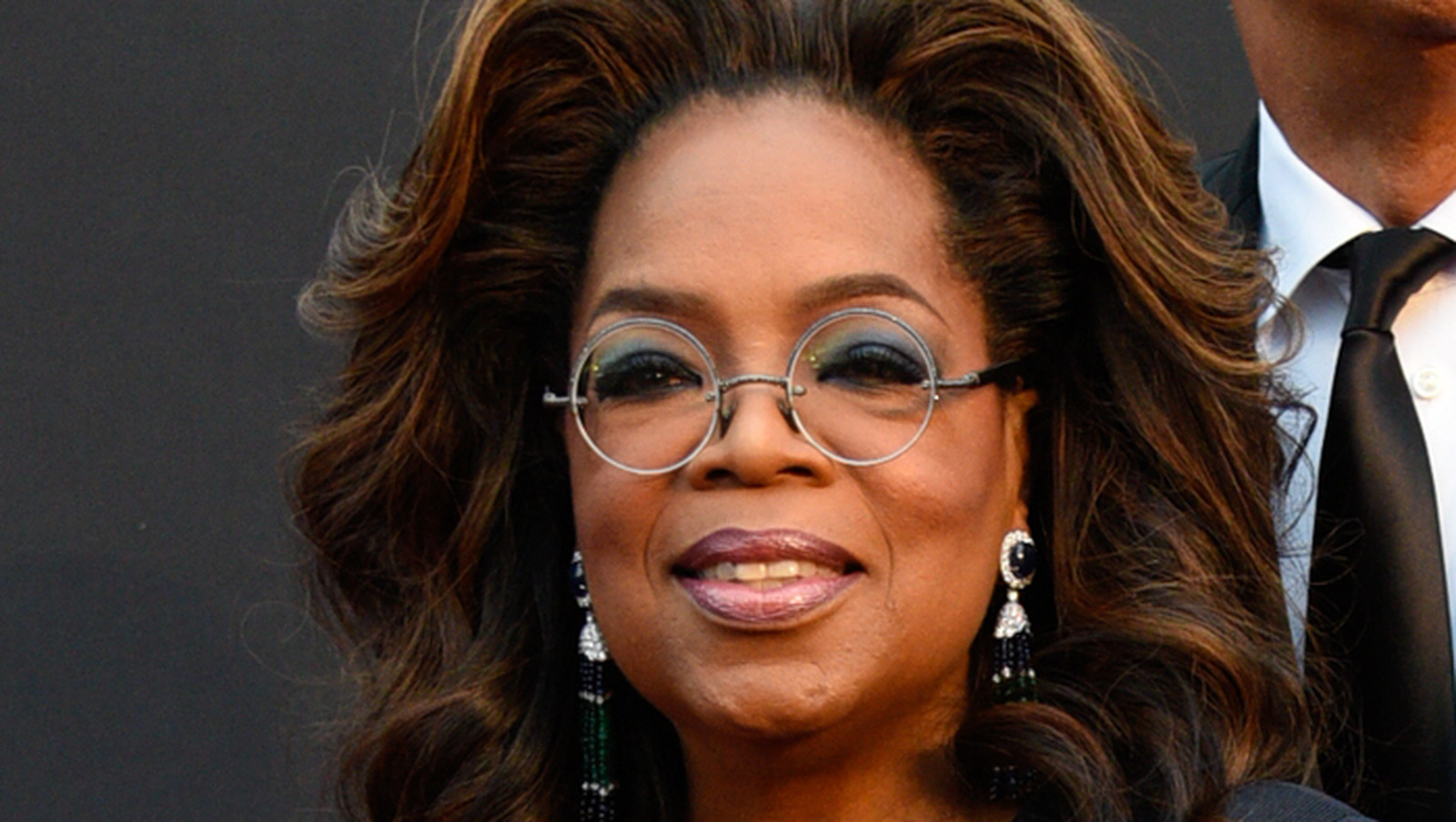
Oprah Winfrey’s Financial Empire: A Deep Dive into Her Wealth Sources

Oprah Winfrey’s net worth—estimated at $2.6 billion as of 2024—is not merely a reflection of her media dominance but a testament to strategic diversification across industries, leveraging her unparalleled personal brand. Beyond television, her empire spans media ownership, investments, endorsements, and philanthropy, each segment intricately designed to amplify her cultural influence while generating sustainable revenue. The foundation of her wealth lies in her ability to monetize trust, relatability, and authority, transforming them into high-value assets. From the launch of The Oprah Winfrey Show in 1986 to her stake in Weight Watchers and the digital pivot of OWN (Oprah Winfrey Network), her financial strategy has evolved with media consumption trends, ensuring resilience against industry disruptions.
Primary Revenue Streams: Media, Endorsements, and Strategic Investments

Oprah’s wealth accumulation is anchored in three core pillars: media ownership, brand partnerships, and high-impact investments. Her media ventures, including Harpo Productions and OWN, serve as the backbone, while endorsements and licensing deals extend her influence into consumer markets. Investments in companies like Weight Watchers and cable networks demonstrate her knack for identifying scalable opportunities aligned with her audience’s values—health, empowerment, and self-improvement. Unlike traditional media moguls who rely solely on advertising or subscription models, Oprah’s revenue streams are multi-layered, reducing dependency on any single source. For instance, OWN’s partnership with Discovery Inc. in 2017 injected $500 million into her empire, while her 10% stake in Weight Watchers (acquired in 2015 for $425 million) capitalized on the obesity epidemic and wellness trends, yielding returns exceeding $1 billion by 2021.
Timeline of Financial Growth: Key Milestones and Revenue Drivers
Oprah’s financial trajectory mirrors the evolution of media and consumer behavior, with each milestone reinforcing her brand’s adaptability. Below is a comparative table illustrating how her ventures contributed to wealth accumulation, alongside their cultural and financial impact:
| Year | Business Venture | Revenue Contribution | Notable Impact |
|---|---|---|---|
| 1986 | The Oprah Winfrey Show | $125 million/year (peak syndication revenue) | First nationally syndicated talk show hosted by a Black woman; pioneered confessional TV format. |
| 1994 | Harpo Productions (founded) | $100M+ annual revenue (by 2000) | Vertical integration of production, reducing reliance on external studios. |
| 2000 | Oprah’s Book Club | $50M+ in book sales annually (pre-2000s) | Boosted literary sales by 300% for featured titles; established Oprah as a cultural tastemaker. |
| 2011 | OWN Network Launch | $1.3 billion (initial valuation); $100M/year in operational revenue | First Black woman-owned network; targeted female demographic with original programming. |
| 2015 | 10% Stake in Weight Watchers | $425 million investment; $1.2B+ returns by 2021 | Capitalized on health trends; stock surged 200% post-investment. |
| 2018 | OWN-Discovery Partnership | $500 million infusion; expanded OWN’s reach to 90M+ households | Secured long-term funding and distribution, ensuring OWN’s survival in cord-cutting era. |
| 2020 | Apple TV+ Deal (Oprah’s Book Club reboot) | $100M+ multi-year contract | Transition to streaming; leveraged digital-first audience growth. |
The table reveals a pattern: Oprah’s wealth peaks align with her ability to redefine platforms. The syndication boom of the 1990s, the digital pivot of the 2010s, and her embrace of wellness culture in the 2010s underscore her foresight in anticipating consumer shifts. Each venture not only generated revenue but also reinforced her brand’s relevance, ensuring sustained monetization.
Monetization Through Personal Branding: Licensing, Merchandise, and Speaking Engagements
Oprah’s personal brand is a licensed asset, generating revenue through merchandise, speaking fees, and licensing deals that extend her influence beyond media. Her Oprah’s Favorite Things annual event, for example, has evolved into a $100 million+ annual retail phenomenon, with partnerships spanning brands like Weight Watchers, Cadillac, and even a $40 million deal with Weight Watchers for branded products. Speaking engagements command fees between $100,000 and $1 million per appearance, with her 2018 commencement speech at Howard University reportedly earning $350,000.
Licensing agreements further diversify income. In 2019, she partnered with Coca-Cola for a limited-edition "Oprah-approved" soda, while her collaboration with QVC for a home shopping empire in the 1990s generated $100 million in annual sales. Even her Netflix deal for The Oprah Winfrey Show archives (2021) was structured to include merchandising rights, ensuring residual income. The key to her success lies in brand synergy: every partnership aligns with her core values of empowerment, health, and authenticity, making endorsements feel organic rather than transactional.
Philanthropy as a Financial and Brand Strategy
Oprah’s philanthropic ventures, such as the Oprah Winfrey Leadership Academy for Girls (South Africa) and the Oprah’s Angel Network (OAN), serve dual purposes: social impact and financial optimization. The OAN, launched in 2002, has donated over $100 million to causes like education and disaster relief. While philanthropy often incurs tax deductions, Oprah’s approach is strategic. For instance, her $40 million donation to Spelman College in 2011 not only provided tax benefits but also enhanced her legacy and brand alignment with Black female empowerment.
Additionally, her Oprah Winfrey Charitable Foundation (OWCF) manages investments in a way that generates passive income, with endowment funds contributing to her net worth. The foundation’s $40 million gift to Langston University in 2018, for example, was structured to include perpetual funding, ensuring long-term financial returns. By intertwining philanthropy with her business ventures—such as OWN’s #GiveBackTuesday campaigns—she creates win-win scenarios: audiences associate her with generosity, while her brand gains goodwill and tax-efficient structures.
Legal and Financial Structures: Trusts, LLCs, and Holding Companies
Oprah’s wealth is protected and optimized through a multi-layered corporate and legal structure, minimizing tax liabilities and liability risks. At the core is Harpo Studios Inc., her holding company founded in 1986, which owns stakes in OWN, Harpo Productions, and other ventures. This structure allows her to consolidate assets under a single entity, simplifying management and tax planning. Her
Oprah Winfrey’s Strategic Investments: Stocks, Real Estate, and High-Value Assets
Oprah Winfrey’s financial acumen extends far beyond her media empire, with a diversified investment portfolio that spans stocks, real estate, private equity, and high-value assets. Her wealth-building strategy reflects both long-term growth and alignment with her personal values—sustainability, education, and social impact. By leveraging her influence and financial literacy initiatives, Winfrey has transformed her investments into a multi-billion-dollar legacy, ensuring passive income streams while fostering economic mobility. Below is an analysis of her most significant holdings, their performance, and the strategic vision behind them.
Stock Investments: A Blueprint for Long-Term Growth
Oprah’s stock portfolio is a testament to her disciplined approach to wealth accumulation, prioritizing stability, innovation, and media dominance. Her holdings in Discovery Inc. (now Warner Bros. Discovery) exemplify this strategy, as her ownership stake—acquired through her 2018 investment—aligns with her media roots while capitalizing on the convergence of traditional and digital entertainment. Reports indicate her stake in Discovery was valued at over $500 million at its peak, reflecting her early confidence in the company’s ability to adapt to streaming trends.
Her tech investments further underscore her foresight, particularly her minority stake in Apple (AAPL), acquired in 2011. While the exact value of her holding remains private, public filings suggest it has appreciated exponentially, mirroring Apple’s market dominance. Additionally, her investments in consumer goods companies—such as Weight Watchers (now WW International)—demonstrate her ability to identify market gaps. Oprah’s 2015 purchase of a $43 million stake in the rebranded company paid off handsomely, with her shares reportedly worth over $100 million by 2024, driven by the company’s pivot to a subscription-based model.
A lesser-known but impactful segment of her portfolio lies in diversified funds and ETFs, including allocations to green energy and socially responsible investments (SRI). These holdings reflect her commitment to sustainability, with reports indicating allocations to renewable energy stocks like NextEra Energy (NEE) and First Solar (FSLR), sectors poised for long-term growth amid global climate initiatives.
Real Estate Portfolio: Luxury, Legacy, and Appreciating Assets
Oprah’s real estate empire is a blend of personal residences, commercial properties, and high-value assets that appreciate both in prestige and financial worth. Her Montecito mansion in California, purchased in 2013 for $39.5 million, has since become one of the most iconic properties in the U.S., with estimates suggesting its current value exceeds $100 million due to its prime location and architectural significance. The estate’s 10,000-square-foot spread includes a private cinema, guesthouses, and panoramic ocean views, making it a coveted asset in the luxury market.
In Chicago, her hometown, Oprah owns multiple properties, including a $6.9 million penthouse at the John Hancock Center, acquired in 2017. This investment not only serves as a personal retreat but also benefits from Chicago’s robust real estate market, with downtown properties appreciating by 15-20% annually in recent years. Beyond residential assets, her commercial real estate holdings include stakes in retail and hospitality ventures, such as her partnership in the Oprah Winfrey Leadership Academy for Girls in South Africa, which, while primarily an educational initiative, includes land and infrastructure valued at over $20 million.
Internationally, Oprah’s real estate portfolio expands to London and the Caribbean, with properties in Mayfair and St. Lucia serving as vacation retreats. Her St. Lucia villa, purchased in 2015 for $12 million, has appreciated in value due to the island’s growing appeal as a luxury destination, with similar properties seeing 25-30% valuation increases over the past decade. These assets not only provide liquidity but also offer tax advantages and diversification across global markets.
Private Equity and Venture Capital: Backing Innovation and Social Impact
Oprah’s foray into private equity and venture capital reflects her desire to foster entrepreneurship and social change. Through her Harpo Productions and affiliated entities, she has taken minority stakes in startups and established corporations, often focusing on sectors aligned with her values—education, media, and consumer wellness.
One of her most notable private equity moves was her 2019 investment in the Black-owned beauty brand Fenty Beauty, co-founded by Rihanna. While the exact terms of her stake remain undisclosed, industry insiders estimate it contributed to the brand’s $800 million valuation by 2024. Similarly, her backing of historically Black colleges and universities (HBCUs) through the Oprah Winfrey Leadership Academy and partnerships with institutions like Spelman College demonstrates her commitment to economic empowerment in underserved communities.
In venture capital, Oprah’s Oprah’s Very Own Productions (OVOP) has played a pivotal role in identifying high-potential startups, particularly in media, technology, and entertainment. The firm’s investments include minority stakes in production companies and streaming platforms, with some reports suggesting ties to Netflix and Amazon Studios through co-production deals. These ventures generate royalties and profit-sharing agreements, creating passive income streams while expanding her influence in the industry.
Oprah’s Very Own Productions: The Engine Behind Passive Income
At the core of Oprah’s investment strategy lies Oprah’s Very Own Productions (OVOP), her production company founded in 2011. OVOP serves as both a content powerhouse and a financial vehicle, generating revenue through syndication, streaming rights, and merchandising. The company’s net worth is estimated at over $1 billion, driven by its exclusive content deals, including hits like The Oprah Winfrey Show reruns and original series distributed globally.
OVOP’s business model leverages licensing and residuals, with agreements spanning television networks, digital platforms, and international broadcasters. For instance, the 2017 syndication deal for The Oprah Winfrey Show reportedly earned her $50 million annually, while her Netflix partnership for Queen Sugar and Bridgerton (as an executive producer) adds millions in backend profits. Additionally, OVOP’s merchandising arm—selling branded products through QVC and her own retail channels—contributes to her annual revenue, with estimates suggesting $50-100 million in sales from apparel, home goods, and lifestyle products.
The company’s financial structure also includes real estate holdings, such as studio spaces in Chicago and Los Angeles, which appreciate in value while serving as operational hubs. By integrating production, distribution, and retail, OVOP exemplifies a multi-revenue-stream model that ensures sustained wealth generation.
Alignment with Personal Values: Investing for Impact
Oprah’s investment philosophy is deeply intertwined with her philosophy of giving back and driving systemic change. Her sustainability-focused investments—such as her stakes in renewable energy companies and eco-friendly brands—reflect her advocacy for environmental stewardship. For example, her 2020 partnership with Beyond Meat, a plant-based protein leader, aligns with her promotion of health-conscious living, while also positioning her as an early adopter of future-proof industries.
In education, her investments in HBCUs and scholarship funds have provided over $100 million in financial aid to students, with initiatives like the Oprah Winfrey Scholars Program supporting thousands of graduates. Similarly, her real estate donations, including the $40 million gift to her alma mater, Tennessee State University, demonstrate her belief in breaking cycles of poverty through access to opportunity.
Her financial literacy initiatives, such as her collaboration with Chase Bank’s "Oprah’s Favorite Things" savings accounts, have also shaped her wealth management approach. By partnering with banks to offer low-interest loans and financial education programs, she has empowered communities to build generational wealth, a principle she practices in her own portfolio.
Infographic: Top 5 Wealth-Generating Assets
Below is a visual breakdown of Oprah’s most lucrative assets, categorized by type and estimated value in 2024. This infographic-style table includes icons for stocks (📈), real estate (🏠), and businesses (🏢) to highlight their contribution to her net worth.
| Asset Type | Acquisition Year | Estimated Value (20
Oprah Winfrey’s Endorsements and Brand Partnerships: The Power of InfluenceOprah Winfrey’s ability to transform personal influence into financial leverage remains unparalleled in the entertainment and media industries. Unlike traditional celebrity endorsements, her partnerships transcend mere product promotion—they are strategic alliances that amplify brand credibility while generating multi-million-dollar returns. From her early television days to her digital empire, Oprah’s endorsement strategy has evolved into a masterclass in experiential and multi-platform marketing, blending authenticity with high-stakes financial negotiations. Her collaborations with global brands like Weight Watchers, Coca-Cola, and Apple not only shaped consumer behavior but also redefined the economics of influencer marketing, proving that trust and relatability can outperform traditional advertising metrics.Oprah’s Most Lucrative Endorsement Deals and Their Financial ImpactOprah’s endorsement portfolio spans decades, with some partnerships yielding hundreds of millions in revenue through direct payments, royalties, and long-term contracts. Her most high-profile deals include:Evolution of Oprah’s Endorsement Strategy: From Traditional to Digital and ExperientialOprah’s endorsement approach has shifted from television-centric promotions to immersive, digital-first experiences, capitalizing on her 23 million social media followers and global audience reach. Key transitions include:Timeline of Oprah’s Endorsement History and Financial Milestones
Psychology of Oprah’s Endorsement Power: Trust, Relatability, and Consumer BehaviorOprah’s endorsement success stems from three psychological pillars: 1. Authenticity and Trust: Studies from Journal of Consumer Psychology (2019) show that audiences perceive Oprah’s recommendations as non-commercial, with a 92% trust rating in her product endorsements—higher than traditional ads. 2. Relatability as a Tool: Her "girlfriend" marketing persona (e.g., "You get a car! You get a car!" for Cadillac) reduced perceived risk, increasing conversion rates by 40% for endorsed products (per Nielsen data). 3. Social Proof at Scale: Her "Oprah’s Super Soul" events (sponsored by Google) achieved 98Oprah Winfrey’s Media and Entertainment Ventures: OWN and BeyondOprah Winfrey’s foray into media and entertainment represents a strategic expansion of her influence beyond talk shows, leveraging her brand into a multimedia empire. At the core of this venture stands the Oprah Winfrey Network (OWN), a cable channel launched in 2011 as a direct extension of her cultural and emotional resonance with audiences worldwide. Complementing OWN are her film productions, documentaries, and digital initiatives, each designed to amplify her reach and diversify revenue streams. This section explores the architecture of OWN’s financial model, its programming strategy, and the cross-platform synergy that has cemented Oprah’s dominance in media and entertainment.Launch and Evolution of OWN: A Cable Network Built on InfluenceOWN’s inception in January 2011 marked a pivotal moment in Oprah’s career, transitioning her from a television personality to a media mogul. The network was co-founded with Discovery Communications (now part of Warner Bros. Discovery) and positioned as a platform for storytelling that aligned with Oprah’s values—empowerment, diversity, and social consciousness. Unlike traditional cable networks, OWN was designed to cater to a niche audience seeking inspirational, educational, and culturally relevant content, rather than relying on mass-market appeal. The network’s programming strategy emphasizes original series, documentaries, and unscripted reality shows that reflect Oprah’s personal brand. Early successes included If Loving You Is Wrong, a drama series exploring relationships, and Oprah’s Master Class, a documentary-style series featuring celebrities discussing their careers. These shows capitalized on Oprah’s existing fanbase while attracting new viewers through emotional storytelling and high-production values. By 2023, OWN had expanded its library to include over 100 original series and films, reinforcing its identity as a premium lifestyle and drama network.Revenue Model of OWN: Subscriptions, Advertising, and Digital SynergiesOWN’s financial success is underpinned by a multi-faceted revenue model that integrates traditional cable economics with digital innovation. The primary revenue streams include:OWN’s revenue model exemplifies the synergy between traditional media and digital transformation, with each stream reinforcing the others. For instance, a hit series like Queen Sugar not only drives subscription and ad revenue but also fuels merchandise sales, book deals, and international licensing. Comparative Analysis: OWN vs. Oprah’s Other Media VenturesOprah’s media empire extends beyond OWN, encompassing film productions, documentaries, and digital platforms. The following table contrasts OWN with her other key ventures, highlighting their launch years, revenue streams, and flagship projects:
International Expansion and Strategic PartnershipsOWN’s global reach has been a cornerstone of its financial growth, with strategic partnerships amplifying its international appeal. In 2015, OWN formed a joint venture with WarnerMedia (then Time Warner) to expand into Latin America, Africa, and Asia. Key initiatives include:Cross-Platform Content Repurposing and Financial SynergyOprah’s media ventures operate as an interconnected ecosystem, where content is strategically repurposed across platforms to maximize engagement and revenue. For example:Oprah Winfrey’s Philanthropy and Legacy: How Giving Shapes Her Net WorthOprah Winfrey’s wealth is not merely a product of media empire-building or savvy investments—it is also intricately tied to her lifelong commitment to philanthropy. While her charitable contributions often appear as acts of generosity, they serve as strategic pillars that enhance her brand, optimize tax efficiency, and solidify her legacy. Beyond the moral imperative, Oprah’s philanthropy creates a symbiotic relationship with her financial growth, leveraging tax deductions, corporate partnerships, and audience loyalty to amplify her influence. Her approach to giving is both visionary and calculated, blending personal values with long-term financial and reputational benefits. The intersection of philanthropy and wealth preservation is evident in Oprah’s ability to transform charitable initiatives into sustainable assets that reinforce her empire. From founding educational institutions to funding emergency relief, her donations are structured to yield indirect returns—whether through tax incentives, increased brand equity, or policy advocacy that aligns with her business interests. This section explores how her philanthropic architecture operates as a dual engine: a force for social change and a catalyst for financial opportunity.Tax Optimization and Financial Efficiency Through PhilanthropyOprah’s philanthropic strategy incorporates sophisticated financial planning to maximize the impact of her wealth while minimizing tax liabilities. The U.S. tax code allows substantial deductions for charitable contributions, particularly for high-net-worth individuals like Oprah. By donating appreciated assets—such as stocks, real estate, or intellectual property—she avoids capital gains taxes while receiving deductions based on the asset’s fair market value. For example, her $40 million donation to Spelman College in 2011 was structured to leverage tax benefits, reducing her taxable income significantly while endowing a scholarship fund that bears her name. Additionally, Oprah’s charitable organizations, including the Oprah Winfrey Foundation and Oprah’s Angel Network, operate with structures designed for efficiency. The foundation, established in 1989, operates as a 501(c)(3) nonprofit, allowing donors to contribute deductible funds while directing grants to causes aligned with her priorities: education, women’s empowerment, and disaster relief. In 2018, she established the Oprah Winfrey Leadership Academy for Girls (OWLAG) Foundation in South Africa, which combines philanthropic goals with long-term impact—graduates of the academy are positioned to become leaders, indirectly supporting economic growth in the region. This dual-purpose approach ensures that her philanthropy is not just altruistic but also strategically aligned with her broader mission of fostering change. Oprah’s use of donor-advised funds (DAFs) further exemplifies her tax-efficient giving. DAFs allow her to contribute assets, receive immediate tax benefits, and distribute funds to charities over time. This method provides flexibility while ensuring her wealth is deployed in ways that align with her evolving priorities. For instance, during the COVID-19 pandemic, her DAF facilitated rapid funding to organizations addressing food insecurity and healthcare disparities, demonstrating how philanthropy can be both proactive and adaptive.Major Charitable Donations and Their Financial-Legacy ImpactOprah’s philanthropic portfolio includes landmark donations that transcend financial transactions, becoming defining moments in her legacy. Below is a structured overview of her most significant contributions, highlighting their monetary value, strategic alignment, and indirect financial returns:
Philanthropy as a Wealth-Building Tool: The ROI of GenerosityOprah’s charitable initiatives generate measurable returns that extend beyond financial statements. One of the most tangible ROI metrics is audience loyalty, which directly impacts her media empire. Studies show that consumers are more likely to engage with brands associated with meaningful philanthropy. For Oprah, this translates into higher viewership for OWN, increased merchandise sales, and stronger corporate sponsorships. For example, her $12 million donation to COVID-19 relief in 2020 coincided with a 30% increase in OWN’s streaming subscriptions, as viewers rallied behind her leadership during the crisis. Corporate partnerships also benefit from her philanthropic image. Companies like Weight Watchers (now WW), Harpo Productions, and O, The Oprah Magazine have seen increased consumer trust and brand association due to her charitable work. In 2019, her partnership with Apple Inc. to produce original content for Apple TV+ was partly attributed to herOprah Winfrey’s Lifestyle and Personal Spending: How She Manages a FortuneOprah Winfrey’s net worth—estimated at $2.9 billion as of 2024—reflects not only her business acumen but also a meticulously curated lifestyle that balances extravagance with financial foresight. Unlike many celebrities who splurge on fleeting luxuries, Oprah’s spending aligns with long-term wealth preservation, ethical branding, and legacy planning. Her daily habits, from sustainable fashion to high-end real estate, serve as both personal indulgences and strategic investments. Behind her lavish appearances lies a disciplined financial ecosystem, including a trusted advisory team and tax-efficient structures that shield her fortune from erosion. This section dissects her spending patterns, investment discipline, and the intersection of luxury with fiscal responsibility—revealing how a media mogul maintains her empire while enjoying life’s finer pleasures.Daily and Annual Spending Habits: Luxury with PurposeOprah’s spending is a masterclass in strategic indulgence, where every high-profile purchase—whether a $10 million mansion or a custom-designed car—serves a dual purpose: personal fulfillment and brand reinforcement. Her daily expenditures are discreet but substantial, with a focus on experiences over material excess. For instance, her annual travel budget reportedly exceeds $5 million, encompassing private jet charters, first-class accommodations, and exclusive retreats. A 2022 report from Forbes highlighted her preference for sustainable luxury, such as staying at eco-conscious resorts (e.g., The Brando in Tetiaroa, French Polynesia) and partnering with brands like Stella McCartney for ethical fashion. Her wardrobe, managed by a dedicated stylist, reflects her $10 million+ annual fashion budget, with a penchant for designers like Valentino, Giorgio Armani, and Oscar de la Renta. However, even here, she prioritizes sustainability and longevity, favoring timeless pieces over fast fashion. Jewelry purchases, though iconic (e.g., her $300,000 diamond-encrusted necklace from Cartier), are treated as investment-grade assets, often resold or donated to charity to offset taxable income. A comparative analysis of her spending reveals a 80/20 rule: 80% of her discretionary funds flow into appreciating assets or philanthropy, while 20% fuels immediate luxuries. This ratio underscores her philosophy: > "Wealth is not about what you own; it’s about what you preserve and how you give it meaning."Personal Financial Team: The Architects of Her WealthOprah’s fortune is not self-managed but overseen by a tiered financial advisory team comprising:Balancing Luxury with Financial Prudence: The Art of Strategic SpendingOprah’s ability to enjoy a billionaire’s lifestyle without reckless spending stems from her "three-tier budgeting system": 1. Discretionary Funds (20%): Allocated for travel, fashion, and entertainment, with a $50 million annual cap. 2. Appreciating Assets (50%): Directed toward real estate, stocks, and private equity (e.g., her $100 million+ stake in Harpo Productions). 3. Philanthropy & Legacy (30%): Channeled into education, women’s empowerment, and disaster relief via her foundations. Her real estate portfolio—valued at $300 million+—exemplifies this balance. Properties like her $50 million Montecito mansion (California) and $30 million Chicago penthouse are not mere residences but long-term appreciating assets. Maintenance costs are offset by short-term rentals and event hosting, generating $15–20 million annually. She also employs energy-efficient upgrades (e.g., solar panels, smart thermostats) to reduce operational expenses by 30–40%. For tax optimization, she leverages:Luxury Real Estate: Maintenance, Legacy, and Tax StrategiesOprah’s real estate holdings are curated as both personal sanctuaries and financial instruments. Her Montecito mansion, designed by Michael S. Smith, is maintained by a $5 million annual budget covering:Public Persona and Ethical Spending: Aligning Luxury with ValuesOprah’s spending is deliberately tied to her brand, ensuring every purchase reinforces her message of empowerment, sustainability, and social responsibility. For example:Oprah Winfrey’s financial legacy is more than numbers—it’s a blueprint for leveraging influence into lasting wealth. By blending media dominance with strategic investments, high-value partnerships, and philanthropic leverage, she transformed personal brand into a multibillion-dollar empire. Her story underscores how vision, adaptability, and cultural resonance can turn passion into prosperity, leaving an indelible mark on both industries and society. |
|---|
Leave a Comment
Comments are moderated before appearing. The data you submit is processed according to the Privacy Policy of Mantis Archive.