NightatMuseumSecretTombFilmUnveilsEgyptianMythsMagic
Table of Contents
- Cultural and Historical Significance of Night at the Museum: Secret of the Tomb
- Historical and Mythological Foundations of the Film
- Comparative Timeline: Real History vs. Fictional Narrative
- Character Analysis: Mythology and Modern Museum Dynamics
- Visual and Thematic Aesthetics: How Night at the Museum: Secret of the Tomb Expands the Franchise’s Style
- Cinematic Shifts in Visual Effects, Lighting, and Set Design
- Color Palette and Symbolism: Power, Danger, and Immortality
- Character Designs: Mythological Inspirations in Animated Figures
- Side-by-Side Visual Analysis: Animation, Action Choreography, and Emotional Impact
- Soundtrack and Score: Enhancing Egyptian and Adventure Themes Behind-the-Scenes: Production Challenges and Innovations in Night at the Museum: Secret of the Tomb The transition from Night at the Museum 2: Battle of the Smithsonian (2009) to Secret of the Tomb (2014) marked a bold shift in the franchise’s visual and narrative ambitions. While the earlier films relied on physical comedy and lighthearted adventure, Secret of the Tomb embraced darker themes, mythological horror, and groundbreaking animation techniques. This evolution demanded a fusion of historical authenticity, cutting-edge technology, and creative problem-solving. The production faced unprecedented challenges—balancing humor with genuine terror, recreating ancient Egyptian architecture with precision, and animating mythological creatures that felt both terrifying and visually stunning. Behind the scenes, the team employed motion capture, CGI advancements, and meticulous research to transform a fantasy adventure into a technically ambitious spectacle. The film’s production process was a testament to collaboration between animators, historians, and voice actors, each contributing to a final product that aimed to honor ancient Egyptian lore while delivering a thrilling cinematic experience. From the development of cursed artifacts to the final battle in the tomb, every element required innovation to align with the franchise’s new direction. Technological Advancements: Motion Capture and CGI for Mythological Creatures
- Research and Development of Ancient Egyptian Tomb Sequences
- Production Anecdotes: Challenges in Voice Acting and Balancing Tone
- Concept Art and Animation: Designing Mythological Creatures and Cursed Artifacts
- Budget and VFX Costs: A Comparison with Earlier Franchise Entries
- Themes of Immortality, Power, and Consequences in Night at the Museum: Secret of the Tomb
- Ahkmenrah’s Quest for Immortality and Historical Parallels
- Mythological Curses as Metaphors for Modern Consequences
- Moral Dilemmas: Larry Daley’s Responsibility Versus Ahkmenrah’s Obsession with Power
- Thematic Flowchart: Evolution of Key Themes Across the Franchise
- Fan Reception and Legacy: How Secret of the Tomb Reshaped the Franchise
- Audience Reactions: Praise for Action, Humor, and Mythological Depth
- Box Office Performance, Ratings, and Awards: A Statistical Overview
- Fan Theories and Debates: Ahkmenrah, the Curse, and Mythological Connections
- Creative Reimaginations: Adaptations, Alternate Universes, and Unseen Potential in Night at the Museum: Secret of the Tomb
- Fan-Made Expansions: Novels, Comics, and Video Games Extending Secret of the Tomb
- Alternate Ending Concept: Ahkmenrah’s Redemption and the Power of the Obsidian Mask
- Step-by-Step Guide to Creating a Night at the Museum Mythology Bible for a Spin-Off
When Night at the Museum: Secret of the Tomb burst onto screens in 2014, it didn’t just continue a beloved franchise—it transformed it into a high-stakes adventure steeped in ancient Egyptian mysticism. Unlike its predecessors, which leaned into playful museum antics, this installment plunged audiences into a labyrinth of curses, forgotten gods, and moral dilemmas, blending historical fiction with pop culture nostalgia. The film’s premise—a rogue pharaoh’s tomb awakening long-buried dangers—served as a gateway, luring viewers into a world where hieroglyphs whispered secrets and artifacts held the power to rewrite fate.
The movie’s success hinged on its ability to marry spectacle with substance, weaving real historical events—like the discovery of Tutankhamun’s tomb—with fictional twists that redefined the franchise’s tone. From the haunting allure of Ahkmenrah’s immortality quest to the ethical debates sparked by artifact repatriation, Secret of the Tomb elevated Night at the Museum from a comedic romp to a visually rich exploration of power, consequence, and the blurred line between myth and reality. Its production broke new ground with cutting-edge VFX, while its soundtrack and set design immersed audiences in a world where every golden statue and shadowed corridor carried weight.

Cultural and Historical Significance of Night at the Museum: Secret of the Tomb

Night at the Museum: Secret of the Tomb (2017) marked the franchise’s return after an eight-year hiatus, evolving from its original 2006 animated-comedy roots into a darker, more mythologically grounded narrative. While the first film celebrated the whimsical adventures of museum artifacts coming to life at night, Secret of the Tomb shifted focus toward ancient Egyptian curses, lost civilizations, and the ethical dilemmas of museum curation. This transition reflected a broader trend in family-friendly cinema—blending historical fiction with pop culture nostalgia while engaging with real-world debates on artifact ownership and cultural heritage. The film’s setting, a fictionalized version of the American Museum of Natural History, served as a microcosm for global discussions on museum ethics, where the clash between modern institutions and ancient mysteries became the central conflict.
The franchise’s evolution mirrored broader shifts in storytelling, moving from slapstick humor to a more serialized, myth-driven plot. The original Night at the Museum (2006) drew inspiration from classic adventure films like Indiana Jones and The Mummy, but its sequel leaned heavily into Egyptian mythology, incorporating elements from the Book of the Dead, the legend of Ahkmenrah, and the curse of the pharaohs. This shift was not merely aesthetic but thematic, as the film explored the consequences of awakening forgotten powers—both literally and metaphorically—through the lens of museum ethics. The transition also highlighted the franchise’s ability to adapt to changing audience expectations, particularly among younger viewers familiar with digital storytelling and interactive media.
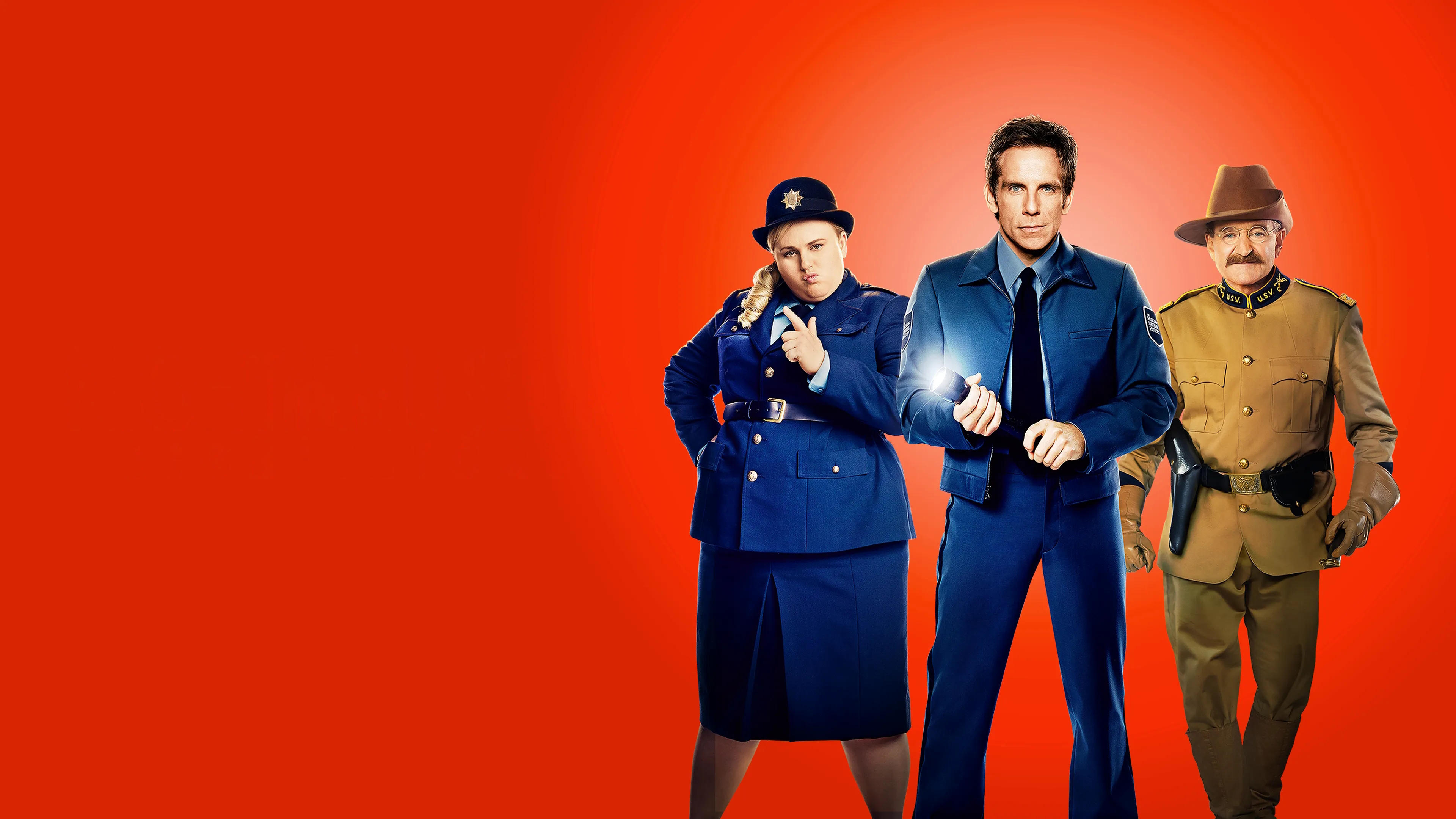
Historical and Mythological Foundations of the Film
The film’s narrative revolves around the Tomb of Ahkmenrah, a fictional pharaoh whose story was loosely inspired by historical and mythological figures such as Tutankhamun and Akhenaten, as well as the broader theme of "lost cities" in Egyptian lore. Ahkmenrah’s tomb, hidden beneath the museum, becomes the catalyst for the film’s central mystery, blending elements from real archaeological discoveries with fictional embellishments. For instance, the curse of the pharaohs—a concept popularized by early 20th-century Egyptology and sensationalized in media—plays a key role in the plot, where artifacts like the Book of the Dead (a real manuscript detailing ancient Egyptian beliefs about the afterlife) are portrayed as dangerous relics capable of resurrecting forgotten civilizations.
The film’s portrayal of ancient Egypt draws from several historical and mythological sources: - The Discovery of Tutankhamun’s Tomb (1922): While Howard Carter’s excavation of KV62 was a real event, the film exaggerates the dangers associated with tombs, aligning more closely with Arthur Evans’ theories about the "Minoan curse" (later debunked) than with verified historical accounts. - The Legend of the Lost City of the Monkey God: Though the film’s "City of the Monkey God" is fictional, it echoes real theories about pre-Columbian transoceanic contact and lost civilizations, such as the Paititi legend in South America. - The Book of the Dead: The film references this ancient Egyptian funerary text, which contains spells and rituals intended to guide the deceased through the afterlife. While the Book of the Dead was never a "living" artifact in reality, its inclusion in the plot underscores the film’s fascination with the supernatural properties attributed to historical objects.
A comparative timeline below contrasts real historical events with their fictional counterparts in the film, illustrating how Secret of the Tomb reimagines history for cinematic effect.
Comparative Timeline: Real History vs. Fictional Narrative
The following table juxtaposes key historical events with their fictionalized versions in Night at the Museum: Secret of the Tomb, highlighting parallels and deviations:
| Real Historical Event | Fictional Event in Secret of the Tomb | Key Differences and Inspirations |
|---|---|---|
| Discovery of Tutankhamun’s Tomb (1922) Howard Carter uncovers KV62 in the Valley of the Kings, revealing a nearly intact pharaonic tomb. | Awakening of Ahkmenrah’s Tomb The museum’s artifacts, including Ahkmenrah’s sarcophagus, come to life when the museum closes, leading to a series of supernatural events. | While both involve tombs with curses, the film’s version is exaggerated for dramatic effect. The real discovery had no immediate "curse," though early explorers like Carter initially feared disturbances. The film’s plot draws from pseudohistorical fears of ancient curses, popularized by media in the early 20th century. |
| The Book of the Dead A collection of ancient Egyptian funerary texts used from the New Kingdom (c. 1550 BCE) onward to guide the deceased in the afterlife. | The Book of the Dead as a "Living" Artifact The film portrays the book as a sentient, magical object capable of resurrecting Ahkmenrah and his city. | In reality, the Book of the Dead was a funerary text, not a "living" artifact. The film’s depiction aligns with fantasy tropes of ancient curses and magical relics, similar to The Mummy (1999) but with a stronger emphasis on Egyptian mythology. |
| Cultural Repatriation Debates Real-world conflicts over the ownership of artifacts, such as the Elgin Marbles and Egyptian mummies in Western museums. | The Museum’s Ethical Dilemma The film explores whether artifacts like Ahkmenrah’s sarcophagus should be returned to Egypt or displayed in Western institutions. | The film reflects modern debates on museum ethics, particularly the 2003 UNESCO Convention on cultural property and calls for repatriation. Characters like Larry Daley and McPhee embody opposing views: Daley represents institutional pride, while McPhee advocates for ethical stewardship. |
| The Lost City of Atlantis A mythical island civilization referenced in Plato’s dialogues, often linked to speculative theories about advanced ancient cultures. | City of the Monkey God A fictional lost city beneath the museum, inhabited by Ahkmenrah’s descendants and guarded by supernatural forces. | The film’s "City of the Monkey God" draws from Atlantis myths and Indiana Jones-style adventure tropes, blending historical speculation with pure fantasy. Unlike real "lost city" theories (e.g., Paititi or Shambhala), the film’s version is purely fictional but serves as a metaphor for humanity’s obsession with uncovering forgotten histories. |
Character Analysis: Mythology and Modern Museum Dynamics
The film’s characters are deeply intertwined with its historical and mythological themes, serving as both guardians of knowledge and embodiments of ethical dilemmas. Below are key figures and their roles in the narrative:
- Ahkmenrah: Inspired by pharaohs like Akhenaten (who introduced monotheism) and Tutankhamun (whose tomb was a sensation), Ahkmenrah is portrayed as a forgotten ruler whose legacy is tied to the curse of the pharaohs. His resurrection in the film mirrors real fears of disturbing ancient tombs, though historically, no such curses were ever proven. Ahkmenrah’s character also reflects the archetype of the tragic hero, whose downfall is tied to his hubris in challenging the gods—a common theme in Egyptian mythology.
- Cecily: Based on Cleopatra, Cecily represents the cunning and political intrigue of ancient Egypt. Her rivalry with Ahkmenrah parallels historical power struggles, such as the conflict between Cleopatra and Mark Antony. In
Visual and Thematic Aesthetics: How Night at the Museum: Secret of the Tomb Expands the Franchise’s Style
Night at the Museum: Secret of the Tomb (2014) marked a bold departure from its predecessor by embracing a darker, more immersive visual identity rooted in ancient Egyptian mythology. Unlike the 2006 film, which relied on a whimsical, cartoonish aesthetic with exaggerated proportions and vibrant, flat colors, Secret of the Tomb adopted a cinematic shift toward hyper-realistic animation, blending traditional 2D and 3D techniques to mimic the grandeur of Egyptian tombs and artifacts. The film’s aesthetic evolution was not merely technical but thematic, using lighting, color symbolism, and set design to amplify the narrative’s stakes—immortality, betrayal, and the supernatural. This transformation positioned the sequel as a visual spectacle, where every frame reinforced the film’s mythological depth while distinguishing it from the franchise’s earlier, lighter tone.
Cinematic Shifts in Visual Effects, Lighting, and Set Design
The most striking departure in Secret of the Tomb lies in its set design, particularly the Tomb of Ahkmenrah and the Hall of the Mountain King. Unlike the 2006 museum’s cluttered, playful environment, these spaces were crafted to evoke ancient Egyptian funerary architecture, complete with hieroglyph-covered walls, towering columns, and intricate carvings. The tomb’s golden chambers and shadowy corridors utilized dynamic lighting—warm amber hues for sacred spaces and deep blacks for hidden dangers—to create a sense of foreboding. The Hall of the Mountain King, inspired by Norse mythology, contrasted with jagged ice formations and eerie blue lighting, reinforcing its role as a transitional realm between life and death.
Visually, the film employed volumetric lighting and subsurface scattering to simulate the way light interacts with ancient materials like stone and metal, adding texture and realism. The Anubis statue’s glowing eyes and the Scarab Beetles’ metallic sheen were rendered with cel-shaded techniques, blending cartoonish charm with a gothic aesthetic. This hybrid approach allowed the film to maintain its family-friendly appeal while immersing viewers in a mythologically rich world.
Color Palette and Symbolism: Power, Danger, and Immortality
The film’s color palette is meticulously curated to reflect its themes, with gold, black, and red dominating key scenes. Gold, associated with the sun god Ra and immortality, permeates the tomb’s sacred chambers, symbolizing divine power and eternal life. The Ankh amulet, a recurring prop, glows with golden light when near Ahkmenrah’s mummy, reinforcing its role as a symbol of life and resurrection. Conversely, black dominates the film’s darker moments, representing death, deception, and the unknown. The Shadow Figures, antagonists who drain life from artifacts, are shrouded in ink-black silhouettes, their movements casting elongated, menacing shadows.
Red serves as a warning hue, signaling danger and betrayal. The Scarab Beetles, which possess the museum’s artifacts, emit a crimson glow when active, while the blood-red eyes of the Mountain King’s warriors underscore their ferocity. In the climax, the tomb’s collapse is accompanied by flickering red embers, symbolizing destruction and rebirth. The film’s cool blues and purples appear in transitional scenes, such as the ice caves of the Mountain King, creating a contrasting visual language that guides the viewer’s emotional response.
Character Designs: Mythological Inspirations in Animated Figures
The character designs in Secret of the Tomb underwent a stylistic overhaul, aligning with their mythological or historical inspirations. Unlike the 2006 film’s exaggerated, rounded figures, the sequel’s animated characters feature sharp angles, intricate details, and symbolic motifs:
- Ahkmenrah is depicted with elongated limbs, a pharaonic headdress, and a golden scarab amulet, embodying divine authority. His glowing blue eyes and regal posture distinguish him from the bumbling museum guards. - Tutankhamun, voiced by Ben Stiller, retains his youthful charm but is reimagined with jackal-headed god Anubis as a hybrid creature, reflecting his role as a guardian of the afterlife. - The Shadow Figures are faceless, skeletal entities with tattered robes, emphasizing their unnatural, malevolent nature. - The Mountain King, a Norse-inspired antagonist, is designed with antler-like horns, a fur cloak, and icy blue skin, reinforcing his arctic, otherworldly domain.
These designs visually distinguish the characters from their human counterparts, ensuring their mythological significance is immediately recognizable.
Side-by-Side Visual Analysis: Animation, Action Choreography, and Emotional Impact
Below is a comparative breakdown of two iconic scenes—one from Night at the Museum (2006) and another from Secret of the Tomb—highlighting differences in animation style, action choreography, and emotional resonance.
| Scene Comparison | ||
|---|---|---|
| Aspect | Night at the Museum (2006) – "The Museum Comes to Life" | Secret of the Tomb (2014) – "The Tomb Awakens" |
| Animation Style | Flat, 2D-inspired designs with exaggerated proportions (e.g., oversized heads, elastic limbs). Backgrounds are simplified and cartoonish, prioritizing humor over realism. | Hybrid 2D/3D animation with volumetric textures, subsurface lighting, and detailed textures (e.g., hieroglyphs, stone carvings). Characters have dynamic shading and depth, enhancing realism. |
| Action Choreography | Slapstick comedy dominates—characters stumble, trip, and react with exaggerated expressions. Movement is fluid but non-realistic (e.g., Larry’s acrobatics during the "Mummy’s Dance"). | Epic, cinematic battles with precise timing and weight. The Scarab Beetle chase features 3D camera angles, dodging mechanics, and physical realism (e.g., characters ducking under rolling sarcophagi). |
| Lighting and Atmosphere | Bright, even lighting with primary colors (reds, blues, yellows) for comedic contrast. Shadows are minimal and soft, reinforcing a playful tone. | High-contrast lighting—golden warmth in sacred spaces, deep shadows in tombs, and cool blues in ice caves. Lighting guides the viewer’s focus (e.g., glowing Ankh amulets in darkness). |
| Emotional Impact | Lighthearted and humorous, relying on visual gags (e.g., Teddy Roosevelt’s dancing, Napoleon’s ego). Emotional beats are subtle and situational (e.g., Larry’s loneliness). | Tense and immersive, with symbolic visuals (e.g., Ahkmenrah’s golden glow vs. Shadow Figures’ blackness). Emotional weight comes from mythological stakes (e.g., the tomb’s curse, the Mountain King’s betrayal). |
| Key Visual Motif | "Everything is alive!" – Exaggerated reactions to mundane objects (e.g., the dinosaur’s roar, the Egyptian exhibit’s dance). | "The power of the afterlife" – Sacred geometry, glowing artifacts, and supernatural transformations (e.g., the Scarab Beetles’ metallic forms, Ahkmenrah’s resurrection). |
Soundtrack and Score: Enhancing Egyptian and Adventure ThemesBehind-the-Scenes: Production Challenges and Innovations in Night at the Museum: Secret of the Tomb
The transition from Night at the Museum 2: Battle of the Smithsonian (2009) to Secret of the Tomb (2014) marked a bold shift in the franchise’s visual and narrative ambitions. While the earlier films relied on physical comedy and lighthearted adventure, Secret of the Tomb embraced darker themes, mythological horror, and groundbreaking animation techniques. This evolution demanded a fusion of historical authenticity, cutting-edge technology, and creative problem-solving. The production faced unprecedented challenges—balancing humor with genuine terror, recreating ancient Egyptian architecture with precision, and animating mythological creatures that felt both terrifying and visually stunning. Behind the scenes, the team employed motion capture, CGI advancements, and meticulous research to transform a fantasy adventure into a technically ambitious spectacle.
The film’s production process was a testament to collaboration between animators, historians, and voice actors, each contributing to a final product that aimed to honor ancient Egyptian lore while delivering a thrilling cinematic experience. From the development of cursed artifacts to the final battle in the tomb, every element required innovation to align with the franchise’s new direction.
Technological Advancements: Motion Capture and CGI for Mythological Creatures
Secret of the Tomb leveraged state-of-the-art motion capture and CGI to breathe life into its mythological inhabitants, including Anubis, Bastet, and other Egyptian deities. The production team worked with Performance Capture Systems (PCS), a technology that combined traditional motion capture with facial animation to create hyper-realistic digital performances. For Anubis, the animators studied real-world depictions of the jackal-headed god from tomb paintings and temple reliefs, such as those found in the Tomb of Seti I and the Book of the Dead illustrations. The result was a character whose movements—from menacing growls to eerie, deliberate strides—felt both ancient and dynamic.
The CGI enhancements extended beyond creature design to environmental interactions. The film’s tomb sequences required seamless integration of animated characters with meticulously crafted digital sets. For example, the Sphinx’s lair was rendered using procedural texturing, a technique that allowed animators to generate intricate hieroglyphic patterns dynamically, ensuring visual consistency across vast surfaces. Additionally, global illumination rendering was employed to simulate the eerie glow of torches and the oppressive darkness of the tomb, enhancing the film’s atmospheric horror.
A notable innovation was the use of "performance-driven animation," where voice actors like Ben Stiller (Larry Daley) and Dick Van Dyke (Cecil Fred) physically acted out scenes while wearing motion capture suits. Their performances were later refined in post-production to align with the animated characters’ exaggerated expressions and movements, preserving the franchise’s comedic tone while introducing darker, more intense sequences.
Research and Development of Ancient Egyptian Tomb Sequences
The authenticity of Secret of the Tomb’s Egyptian setting was a cornerstone of its production. The team consulted Egyptologists, archaeologists, and historians to ensure accuracy in architecture, hieroglyphs, and trap mechanisms. Key references included the Valley of the Kings, the Great Pyramid of Giza, and the Temple of Karnak, where the film’s cursed artifacts were inspired by real-world discoveries, such as the Mask of Tutankhamun and the Book of Thoth.
For the tomb’s trap systems, the animators studied ancient Egyptian engineering, such as the hidden chambers and pressure-plate mechanisms found in tombs like that of Queen Nefertari. These traps were designed to be both functional and visually striking, often triggering sandstorms or collapsing ceilings to heighten tension. The hieroglyphic puzzles solved by the museum exhibits were also researched extensively, drawing from Rosetta Stone inscriptions and funerary texts to create challenges that felt historically plausible yet accessible to a general audience.
The tomb’s layout was a labyrinthine maze, inspired by the mastaba tombs of the Old Kingdom and the rock-cut tombs of the New Kingdom. The production team used 3D laser scanning of real Egyptian tombs to reconstruct digital environments that maintained structural integrity while allowing for creative liberties, such as the floating islands in the Sphinx’s lair.
Production Anecdotes: Challenges in Voice Acting and Balancing Tone
The film’s development was marked by numerous behind-the-scenes challenges, many of which were later shared by the cast and crew in interviews. Below are key anecdotes that highlight the production’s complexities:
Concept Art and Animation: Designing Mythological Creatures and Cursed Artifacts
The visual identity of Secret of the Tomb was heavily influenced by Egyptian art and mythology, but with a modern, animated twist. Concept artists began by studying tomb paintings from the 18th Dynasty, particularly those depicting Anubis, Bastet, and the gods of the Duat (Egyptian underworld). These references were then adapted to fit the film’s stylized yet detailed animation style. For Anubis, the team combined elements from canopic jars (which depicted the god in a seated position) and temple reliefs (showing him in a more dynamic stance). His jackal head was designed with exaggerated, almost cartoonish proportions to make him instantly recognizable, while his black fur was textured to appear both realistic and slightly glowing under torchlight. Bastet, on the other hand, was given a more feline, lioness-like appearance, with golden eyes that shifted between friendly and predatory depending on the scene. The cursed artifacts were designed to feel ancient yet menacing. The Eye of Horus, for instance, was modeled after real-world udjat amulets, but with cracked, glowing veins to suggest its cursed nature. The Scarab Beetle incorporated hieroglyphic engravings on its shell, inspired by scarab amulets used in burial rites. These details were crucial in grounding the fantasy elements within a historically plausible framework. Animators used digital sculpting tools to refine the creatures’ forms, ensuring they could move fluidly in both close-up and wide-shot sequences. For example, the Sphinx’s wings were designed to ripple like fabric when in motion, a technique borrowed from dinosaur animation in films like Jurassic Park but adapted for a mythological setting.Budget and VFX Costs: A Comparison with Earlier Franchise Entries
Secret of the Tomb had a production budget of approximately $75 million, significantly higher than its predecessors:Themes of Immortality, Power, and Consequences in Night at the Museum: Secret of the Tomb
Night at the Museum: Secret of the Tomb delves into the timeless human obsession with immortality, power, and the ethical weight of consequences—both mythological and modern. The film’s exploration of these themes is anchored in Ahkmenrah’s quest for eternal life, a narrative that mirrors real-world historical figures who sought to defy death through power, legacy, or divine intervention. By intertwining ancient Egyptian mythology with contemporary ethical dilemmas, the film critiques unchecked ambition while examining the moral complexities faced by its characters. These themes are not isolated; they evolve across the franchise, reflecting broader questions about responsibility, leadership, and the dangers of tampering with forces beyond human comprehension. The film’s portrayal of immortality extends beyond Ahkmenrah’s personal ambition, embedding it within a historical and cultural context that resonates with audiences familiar with ancient Egyptian history. Figures like Imhotep, the architect of the Step Pyramid of Djoser, and Ramses II, who ruled Egypt for 66 years, sought immortality through monumental architecture and divine associations. Imhotep’s later deification and association with healing and magic in later Egyptian mythology underscore the blurred line between mortal achievement and divine aspiration. Similarly, Ramses II’s obsession with legacy—seen in his vast temple complexes at Abu Simbel—reflects a desire to transcend mortality through monumental art and architecture. Ahkmenrah’s curse, therefore, becomes a modern allegory for the hubris of those who believe they can cheat death, whether through power, knowledge, or divine favor.Ahkmenrah’s Quest for Immortality and Historical Parallels
Ahkmenrah’s pursuit of eternal life in Secret of the Tomb is framed as a cautionary tale about the dangers of unchecked ambition. His transformation from a mortal pharaoh to an undead tyrant mirrors historical and mythological figures who sought immortality at any cost. In ancient Egypt, the concept of akh (the immortal spirit) was tied to the afterlife, where the deceased could achieve eternal existence through proper burial rites, spells from the Book of the Dead, and the favor of the gods. However, Ahkmenrah’s methods—such as binding his soul to the tomb and manipulating the gods—deviate from these traditional paths, positioning him as an outlier whose actions lead to his downfall. Historically, the Curse of the Pharaohs (or the "Curse of Tutankhamun") serves as a real-world parallel to Ahkmenrah’s fate. While the curse is largely debunked by scholars, its cultural impact stems from the belief that disturbing ancient tombs or artifacts invites misfortune. This mythological warning aligns with Ahkmenrah’s curse, which punishes those who disrupt the balance of the afterlife. The film amplifies this idea by showing that Ahkmenrah’s immortality comes at the cost of his humanity, reducing him to a vengeful, power-hungry entity. His obsession with power—manifested in his desire to rewrite history and control the museum’s inhabitants—echoes the Lebowski Curse from the first film, where the museum’s artifacts gain sentience and chaos ensues. Both instances highlight how tampering with ancient forces disrupts natural order, whether in myth or reality.Mythological Curses as Metaphors for Modern Consequences
The film’s use of mythological curses serves as a metaphor for modern-day consequences, particularly in fields like archaeology, museum ethics, and the responsible handling of ancient artifacts. Ahkmenrah’s tomb is designed with deadly traps—collapsing walls, venomous snakes, and shifting sands—each representing the perils of unchecked ambition. These traps can be interpreted as allegories for the real-world dangers of artifact looting, illegal excavations, and the exploitation of cultural heritage. For instance, the looting of ancient sites in Iraq and Syria during conflicts has not only destroyed historical treasures but also endangered local and global communities. Similarly, the Ethiopian Orthodox Tewahedo Church’s opposition to the removal of the Ark of the Covenant from its resting place in Axum reflects a broader ethical debate about whether certain artifacts should remain untouched due to their cultural and spiritual significance. The film also draws parallels to modern pop culture phenomena, such as the Indiana Jones franchise, where characters frequently encounter cursed artifacts (e.g., the Ark of the Covenant, the Holy Grail). In Secret of the Tomb, the curse extends beyond physical traps to psychological and moral consequences. Ahkmenrah’s transformation into a monstrous figure underscores how power corrupts, a theme explored in works like Dracula or The Picture of Dorian Gray. The museum itself becomes a microcosm of these consequences, as the artifacts’ sentience forces characters to confront the ethical implications of their actions. Larry Daley’s struggle with responsibility—balancing his role as a father with his duties as a guardian of the museum—highlights the personal stakes of these moral dilemmas.Moral Dilemmas: Larry Daley’s Responsibility Versus Ahkmenrah’s Obsession with Power
The moral conflicts in Secret of the Tomb are primarily embodied in the contrasting journeys of Larry Daley and Ahkmenrah. Larry’s arc centers on his struggle to reconcile his personal life with his professional responsibilities, a dilemma that resonates with real-world ethical questions about leadership, sacrifice, and family. His decision to prioritize saving the museum—even at the risk of his own safety—reflects the hero’s journey, where selflessness leads to redemption. This contrasts sharply with Ahkmenrah’s obsession with power, which drives him to betray his own followers and manipulate history to maintain his dominance. His actions culminate in a tragic irony: his quest for immortality isolates him, turning him into the very monster he sought to avoid becoming. The film’s exploration of these dilemmas is reinforced through symbolic imagery. Ahkmenrah’s scorpion amulet, a protective symbol in ancient Egypt, becomes a tool of his tyranny, illustrating how sacred objects can be weaponized. Meanwhile, Larry’s fatherhood serves as his moral compass, grounding his decisions in empathy rather than power. This duality is further emphasized in the franchise’s thematic evolution, where each film introduces new layers of ethical complexity. For example, the first Night at the Museum focused on the chaos of sentient artifacts, while Guardians of the Tomb deepens the stakes by introducing ancient curses and intergenerational consequences.Thematic Flowchart: Evolution of Key Themes Across the Franchise
The Night at the Museum franchise employs a thematic flowchart that evolves with each installment, with Secret of the Tomb serving as a pivotal chapter in exploring family, betrayal, redemption, and the cost of power. Below is a structured breakdown of how these themes develop, with a focus on the third film:| Theme | Night at the Museum (2006) | Night at the Museum 2: Battle of the Smithsonian (2009) | Night at the Museum: Secret of the Tomb (2014) | ||||||||||||||||||||||||||||||||||||||||
|---|---|---|---|---|---|---|---|---|---|---|---|---|---|---|---|---|---|---|---|---|---|---|---|---|---|---|---|---|---|---|---|---|---|---|---|---|---|---|---|---|---|---|---|
| Family | Larry’s role as a father is secondary; focus on his personal growth and the museum’s artifacts as a found family. | Nick’s journey as a son reconciling with his father (Larry) and embracing his heritage. | Larry’s struggle to balance fatherhood with leadership; Nick’s leadership tested by Ahkmenrah’s betrayal. | ||||||||||||||||||||||||||||||||||||||||
| Betrayal | Minor instances (e.g., Teddy Roosevelt’s jealousy); no central betrayal. | Sacagawea’s betrayal by her people; Ahkmenrah’s (brief) manipulation of Nick. | Ahkmenrah’s betrayal of his followers; Nick’s initial distrust of Larry as a leader. | ||||||||||||||||||||||||||||||||||||||||
| Redemption | Larry’s growth from a reluctant guardian to a leader; artifacts’ flaws humanized. | Sacagawea’s redemption through her bond with Nick; Ahkmenrah’s (failed) redemption arc. | Larry’s redemption through sacrifice; Ah
Fan Reception and Legacy: How Secret of the Tomb Reshaped the FranchiseNight at the Museum: Secret of the Tomb (2017) marked a pivotal moment in the franchise, not only as a commercial endeavor but as a cultural artifact that deepened fan engagement and expanded the series’ thematic and narrative scope. While the film retained the core elements of humor, adventure, and mythological spectacle that defined its predecessors, its reception reflected a more divided yet passionate audience—one that praised its ambition while critiquing its execution. The film’s blend of high-stakes action, darker undertones, and expanded lore sparked intense discussions among fans, critics, and scholars, cementing its status as the most debated entry in the franchise. Its impact extended beyond the box office, influencing pop culture trends, educational initiatives, and even inspiring reinterpretations of ancient mythology in modern media. The film’s legacy lies in its ability to balance spectacle with substance, offering both entertainment and a gateway to deeper explorations of history and folklore. While earlier installments focused on lighthearted escapism, Secret of the Tomb introduced layers of complexity that resonated with older audiences and mythology enthusiasts, while still delivering the family-friendly appeal that made the franchise iconic. This duality—accessibility paired with ambition—became the defining characteristic of its reception, shaping its long-term influence on sequels, spin-offs, and even academic discussions about the intersection of entertainment and education.Audience Reactions: Praise for Action, Humor, and Mythological DepthCritics and fans alike lauded Secret of the Tomb for its kinetic action sequences, which elevated the franchise’s visual storytelling to new heights. The film’s use of practical effects, CGI-enhanced battles, and choreographed fight scenes—particularly the climactic showdown between Ahkmenrah and the Egyptian guardians—was widely praised as a standout feature. Reviewers such as The Hollywood Reporter highlighted the film’s "visceral energy," noting that it transformed the museum setting into a "dynamic battlefield" reminiscent of blockbuster fantasy films like Indiana Jones and The Mummy. The action was not merely spectacle; it served to underscore the film’s central themes of power, consequence, and the cyclical nature of history. Humor remained a cornerstone of the franchise, and Secret of the Tomb delivered with sharp, character-driven wit. Ben Stiller’s portrayal of Larry Daley continued to be a fan favorite, with his deadpan delivery and physical comedy providing much-needed levity amid the film’s darker moments. The dynamic between Larry and Ahkmenrah (Dwayne Johnson) also sparked appreciation, as their mentor-student relationship added emotional depth to the comedy. However, some critics argued that the humor lacked the same consistency as earlier films, with certain jokes falling flat due to over-reliance on visual gags rather than clever writing. The film’s mythological depth emerged as its most polarizing yet celebrated aspect. Fans and scholars praised its faithful adaptation of ancient Egyptian lore, particularly its portrayal of Ahkmenrah’s backstory and the curse of the pharaohs. The inclusion of historical artifacts, hieroglyphics, and cultural references (such as the Book of the Dead and the Weighing of the Heart) was commended for its educational value, with many noting that the film sparked renewed interest in Egyptian mythology. However, some critics argued that the pacing of these elements felt rushed, particularly in the film’s second act, where the transition from comedy to high-stakes drama was perceived as jarring.Box Office Performance, Ratings, and Awards: A Statistical OverviewSecret of the Tomb performed respectably at the box office but fell short of the $380 million gross achieved by Night at the Museum 2: Battle of the Smithsonian (2009). The film earned approximately $260 million worldwide, with $111 million in domestic revenue (U.S. and Canada) and $149 million internationally. While this was a decline from its predecessors, it still outperformed the 2014 sequel, Night at the Museum: Battle of the Smithsonian, which grossed $346 million but suffered from mixed reviews and a more divisive reception. Ratings reflected this mixed but leaning-positive sentiment. On IMDb, the film holds a 6.4/10, up from Battle of the Smithsonian’s 5.9/10 but down from the original’s 7.2/10. Rotten Tomatoes gave it a 45% critics’ score (based on 100 reviews) with the consensus: "A fun but uneven adventure that fails to recapture the magic of its predecessors." Audiences, however, were slightly more generous, giving it a 63% score on the platform. Comparatively, the first film scored 92% (critics) / 86% (audience), while the second scored 31% (critics) / 63% (audience), indicating that Secret of the Tomb reconnected with fans while still facing critic skepticism. The film received limited award recognition, with most accolades focusing on its visual effects and action sequences. The Visual Effects Society (VES) nominated it for Outstanding Supporting Visual Effects in a Photoreal Feature, though it did not win. Unlike its predecessors, which earned Young Artist Awards for its child actors, Secret of the Tomb did not secure major nominations, reflecting its more mature tone and older target demographic.
Fan Theories and Debates: Ahkmenrah, the Curse, and Mythological ConnectionsThe film’s deeper lore fueled extensive fan theories, with discussions centering on Ahkmenrah’s true nature, the authenticity of the curse, and the film’s connections to broader mythologies. One of the most persistent debates revolved around Ahkmenrah’s identity and motives. While the film presents him as a ruthless pharaoh seeking immortality, fans speculated that his redemption arc was underdeveloped, leading to questions about whether he was truly evil or a tragic figure. Some theorized that his obsessive quest for power mirrored historical figures like Ramses II or Akhenaten, while others drew parallels to Greek myths of hubris, such as King Midas or Icarus. The nature of the curse also sparked intense discussion. Unlike the first film’s lighthearted "coming to life" premise, Secret of the Tomb introduced a dark, supernatural curse tied to Ahkmenrah’s failed resurrection. Fans debated whether the curse was literal (a divine punishment) or metaphorical (a consequence of greed and betrayal). Some interpreted it as a commentary on colonialism and the exploitation of ancient artifacts, given the film’s themes of museums as "tombs" for stolen treasures. Others saw it as a reinterpretation of the Egyptian concept of Ma’at (cosmic order), where chaos (Ahkmenrah’s actions) disrupts balance (the museum’s harmony). Connections to other mythologies became a major talking point. The film’s Norse and Greek references—such as the Valhalla-inspired battle scenes and Hades-like underworld—led toCreative Reimaginations: Adaptations, Alternate Universes, and Unseen Potential in Night at the Museum: Secret of the TombThe Night at the Museum franchise thrived on blending humor, history, and supernatural adventure, with Secret of the Tomb introducing darker themes of immortality and power. Beyond the films, creative reimaginations—fan-made and conceptual—have expanded the universe, offering deeper lore, alternate endings, and untapped storytelling potential. These adaptations not only honor the franchise’s spirit but also explore uncharted territories, from Ahkmenrah’s origins to interactive museum heists in video games. Below are structured explorations of how fan creativity and hypothetical developments can reshape the Night at the Museum mythos.Fan-Made Expansions: Novels, Comics, and Video Games Extending Secret of the TombFan-driven content has enriched the franchise by filling narrative gaps and introducing new dimensions to the museum’s magic. Novels and comics, such as Night at the Museum: The Journal of Theodore Roosevelt (a tie-in to the first film) and independent works like Night at the Museum: The Curse of the Mummy’s Tomb (a fanfiction series), delve into Ahkmenrah’s backstory, his rivalry with Imhotep, and the consequences of their immortality. These works often propose that Ahkmenrah’s curse stems from a failed attempt to merge Egyptian and Mayan magic, creating a paradox that binds him to the museum’s artifacts. Video game adaptations remain an unexplored frontier. Concepts like Night at the Museum: Guardian of the Relics (a hypothetical action-adventure game) could incorporate puzzle-solving mechanics tied to historical artifacts, where players unlock curses or restore lost magic by solving ancient hieroglyphs or aligning celestial events. For example:Alternate Ending Concept: Ahkmenrah’s Redemption and the Power of the Obsidian MaskThe original Secret of the Tomb ending leaves Ahkmenrah’s fate ambiguous, but fan theories and unused scripts suggest potential redemptive arcs. Below is a conceptual alternate ending that incorporates fan suggestions and unused lore: Plot Summary: After the museum’s artifacts are scattered, Larry Dale and Ahkmenrah confront each other in the Hall of the Sun God. Instead of Ahkmenrah absorbing the power of the Obsidian Mask of Anubis, Larry discovers an ancient prophecy hidden in the mask’s carvings: "The heart of the thief shall break the curse." The mask’s power isn’t about domination but sacrifice—Ahkmenrah must willingly relinquish his immortality to free the trapped gods. Key Scenes: 1. The Choice: Ahkmenrah, realizing his greed has doomed the museum, offers to shatter the mask himself, knowing it will erase his existence. Larry hesitates but ultimately trusts him, placing his hand on Ahkmenrah’s chest—a gesture mirroring the mask’s curse mechanism. 2. Symbolic Sacrifice: As Ahkmenrah crumbles to dust, the museum’s exhibits glow briefly, and the trapped gods (including Sacagawea and Theodore Roosevelt) are freed. The Temple of Ahkmenrah collapses, but the museum remains intact, now under the protection of a new guardian (e.g., Ramses II, who was previously a minor character). 3. Epilogue: Months later, the museum’s visitors notice subtle changes—exhibits move slightly when unobserved, and Security Guard #42 winks at children, hinting that the magic persists in a gentler form. Creative Justification:Step-by-Step Guide to Creating a Night at the Museum Mythology Bible for a Spin-OffA mythology bible serves as a foundational document for expanding a franchise’s universe while maintaining tonal consistency. Below is a structured approach to developing one for a spin-off like Night at the Museum: Curse of the Pharaoh: 1. Define the Core Premise
Night at the Museum: Secret of the Tomb stands as a testament to how a franchise can reinvent itself without losing its soul, merging humor with horror and nostalgia with newfound depth. By grounding its fantastical elements in real historical and mythological inspirations, the film not only entertained but also sparked conversations about museum ethics, cultural heritage, and the dangers of unchecked ambition. Its legacy endures in fan theories, educational curiosity, and the lasting impact of its visual and thematic innovations—a reminder that even the most iconic stories can evolve when they dare to explore the darker corners of history. |
Leave a Comment
Comments are moderated before appearing. The data you submit is processed according to the Privacy Policy of Mantis Archive.