Exploring wonders of wildlife aquarium innovations conservation
Table of Contents
- Wonders of Wildlife Aquarium: Pioneering Innovation and Conservation in Global Aquarium Evolution
- Timeline of Key Milestones in Aquarium Development
- Architectural and Engineering Marvels: The Wonders of Wildlife Aquarium’s Design Innovations
- The Mission: Aligning Conservation with Global Wildlife Protection
- Iconic Species: The Stars of the Wonders of Wildlife Aquarium
- Biodiversity on Display: Marine Life Exhibits and Their Ecological Importance
- Marine Exhibits by Ecosystem: A Window into Global Biodiversity
- Coral Reefs: The Rainforests of the Sea
- Open Ocean: The Deep and the Mysterious
- Polar Regions: Survival in Extreme Environments
- Freshwater Habitats: The Overlooked Lifelines
- Estuaries: Where Rivers Meet the Sea
- Challenges in Maintaining Large-Scale Marine Exhibits
- Behind the Scenes: Conservation, Research, and Rescue Efforts at Wonders of Wildlife Aquarium
- Conservation Initiatives and Strategic Partnerships
- Case Study: Rehabilitation and Release of a Cold-Stunned Sea Turtle
- Conservation Programs, Goals, and Measurable Impact
- Advancing Marine Science Through Aquarium-Based Research
- Interactive Experiences at Wonders of Wildlife Aquarium: Bridging Human Connection with Marine Life
- Popular Interactive Experiences and Their Educational Impact
- Ethical Guidelines and Safety Protocols for Visitor-Animal Interactions
- Preparing for a Visit: Practical Guidelines for Families, Photographers, and Visitors with Disabilities
- Comparative Analysis: How Wonders of Architectural and Technological Innovations in Aquarium Design: A Blueprint for the Future The Wonders of Wildlife Aquarium stands as a testament to how architectural ingenuity and cutting-edge technology can redefine public engagement with marine ecosystems. Unlike conventional aquariums that prioritize sheer size or decorative aesthetics, this facility integrates sustainable engineering, immersive visitor experiences, and ecological responsibility into its core design. Its architectural and technological advancements not only set new benchmarks for aquarium construction but also address critical challenges in conservation, energy efficiency, and habitat replication. From harnessing natural light to deploying AI-driven systems, the aquarium exemplifies how innovation can transform static exhibits into dynamic, educational, and sustainable environments. The aquarium’s design philosophy centers on creating habitats that mimic natural marine ecosystems while ensuring minimal environmental impact. This approach extends beyond aesthetics to incorporate engineering feats such as massive, climate-controlled tanks, energy-independent filtration systems, and interactive digital interfaces. Each innovation serves a dual purpose: preserving marine life while educating visitors about the fragility of oceanic environments. By examining these breakthroughs, we uncover how modern aquariums are evolving into hubs of scientific research, conservation, and technological experimentation. Cutting-Edge Architectural Features: Merging Nature and Engineering
- Technical Overview of the Aquarium’s Largest Tanks: Engineering Marvels
- Innovations in Aquarium Design: A Comparative Table
- Technology-Enhanced Visitor Experiences: Blurring the Line Between Reality and Immersion
- Sustainable Design: Reducing Environmental Footprint Through Innovation
- Traditional vs. Modern Aquarium Designs: A Visual and Functional Evolution
- Cultural and Educational Impact: Inspiring the Next Generation of Conservationists
- Educational Programs Aligned with Academic Curricula
- Storytelling as a Tool for Emotional Engagement
- Outreach Initiatives in Underserved Communities
Beneath the surface of the Wonders of Wildlife Aquarium lies a world where cutting-edge conservation meets breathtaking marine life, transforming education into an immersive experience unlike any other. Since its inception, this global phenomenon has redefined how humanity engages with aquatic ecosystems, blending architectural brilliance with scientific breakthroughs to create a sanctuary where endangered species thrive. From the 6.3-million-gallon Ocean Theater to meticulously crafted coral reefs, every exhibit is a testament to human ingenuity and a commitment to preserving biodiversity for future generations.
The aquarium’s journey from a 19th-century curiosity to a modern-day hub of research and rescue reflects broader shifts in how society perceives wildlife conservation. Unlike traditional marine exhibits, Wonders of Wildlife integrates technology, sustainability, and interactive storytelling to foster emotional connections between visitors and the ocean’s most vulnerable inhabitants. Whether through virtual reality tours, behind-the-scenes rescue operations, or hands-on encounters with whale sharks, the aquarium bridges the gap between wonder and action, proving that conservation begins with inspiration.

Wonders of Wildlife Aquarium: Pioneering Innovation and Conservation in Global Aquarium Evolution

The evolution of aquariums from simple marine exhibits in the 19th century to modern-day immersive conservation hubs reflects humanity’s growing understanding of marine ecosystems and commitment to their preservation. Among these, the Wonders of Wildlife Aquarium in Winston-Salem, North Carolina, stands as a testament to cutting-edge design, educational innovation, and unparalleled conservation impact. Unlike traditional aquariums, it integrates state-of-the-art technology, vast habitats, and interactive experiences to create a symphony of science, art, and activism. This transformation mirrors a broader global shift—from passive observation to active engagement in marine conservation—positioning the aquarium as a leader in blending entertainment with ecological stewardship.
The journey of aquariums began in the 1850s with the first public marine exhibits in London and Paris, designed primarily for scientific study and public fascination. By the early 20th century, institutions like the New York Aquarium (1896) and Steinhart Aquarium (1923) introduced larger tanks and diverse species, laying the groundwork for modern facilities. The latter half of the century saw a surge in themed exhibits, such as the Monterey Bay Aquarium’s (1984) kelp forest, which revolutionized habitat replication. Today, aquariums like Georgia Aquarium (2005) and Shedd Aquarium (1929, with major expansions in the 1990s) prioritize conservation research, animal rescue, and global partnerships. The Wonders of Wildlife Aquarium, opened in 2018, distinguishes itself by combining these elements with a mission-driven approach, focusing on wildlife conservation through education, research, and direct action—particularly for endangered species.
Timeline of Key Milestones in Aquarium Development
The progression of aquariums from static displays to dynamic ecosystems mirrors advancements in marine biology, engineering, and visitor engagement. Below is a chronological overview of pivotal developments that shaped the industry, culminating in the modern era of immersive, conservation-focused facilities like the Wonders of Wildlife Aquarium.
| Year | Milestone | Impact | Example |
|---|---|---|---|
| 1853 | First public marine exhibit | Marked the beginning of aquariums as public attractions, initially for scientific study. | London Zoological Society’s Marine Aquarium |
| 1929 | First large-scale indoor aquarium | Enabled year-round operation and expanded species diversity. | Shedd Aquarium, Chicago |
| 1984 | Introduction of themed habitats | Shifted focus from general exhibits to replicating natural ecosystems. | Monterey Bay Aquarium’s Open Sea |
| 1998 | First walk-through tunnel exhibit | Enhanced visitor immersion by allowing direct interaction with marine life. | Georgia Aquarium’s Ocean Tunnel |
| 2005 | Global conservation partnerships | Positioned aquariums as leaders in species protection and habitat restoration. | Georgia Aquarium’s whale shark rescue program |
| 2018 | Integration of technology and sustainability | Used AI, renewable energy, and interactive tech to reduce environmental impact. | Wonders of Wildlife Aquarium’s Ocean Theater and solar-powered systems |
The Wonders of Wildlife Aquarium represents the culmination of these milestones, blending historical legacy with futuristic innovation. Its design prioritizes sustainability, education, and direct conservation impact, setting a new standard for the industry.
Architectural and Engineering Marvels: The Wonders of Wildlife Aquarium’s Design Innovations
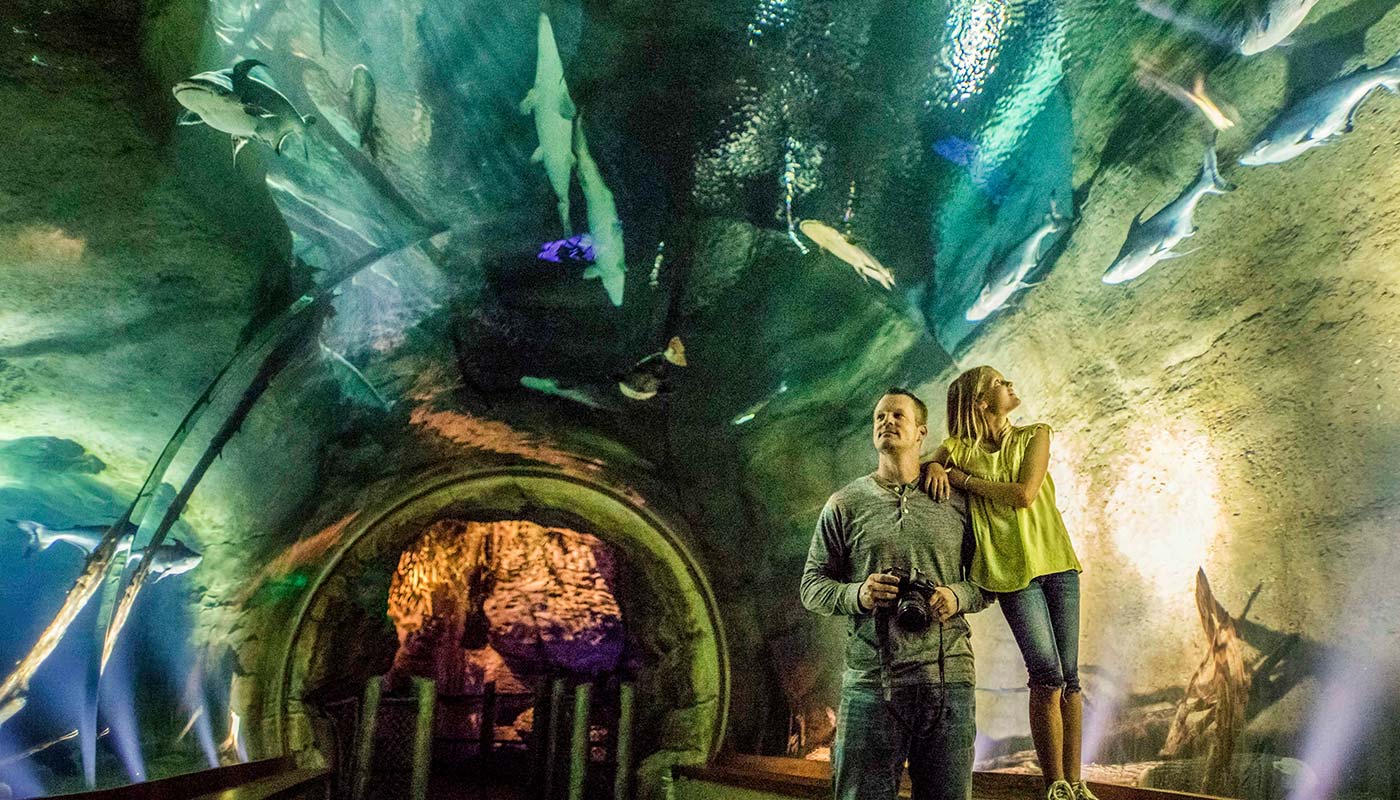
Spanning 120,000 square feet and housing over 10,000 animals, the Wonders of Wildlife Aquarium is an architectural masterpiece that pushes the boundaries of aquarium design. The centerpiece, the 6.3-million-gallon Ocean Theater, is the largest indoor aquarium in the world, dwarfing competitors like the 5.7-million-gallon Georgia Aquarium tank. This exhibit replicates a deep-sea environment, complete with bioluminescent lighting and dynamic soundscapes that mimic the ocean’s natural rhythms. The theater’s curved, floor-to-ceiling windows create an illusion of infinite depth, while underwater tunnels allow visitors to walk alongside whale sharks, manta rays, and hammerhead sharks in a 360-degree immersive experience.
Beyond the Ocean Theater, the aquarium features habitat-specific zones, each engineered to replicate the ecological conditions of its inhabitants. The Amazon River Exhibit simulates the flooded forests of the Amazon, with temperature-controlled zones and artificial rainfall systems to mimic seasonal changes. Meanwhile, the Penguin Encounter combines sub-zero temperatures with naturalistic rock formations, allowing visitors to observe African penguins in a habitat designed to replicate their coastal breeding grounds. The aquarium’s sustainability initiatives further set it apart: 100% LED lighting, solar-powered energy systems, and closed-loop water filtration reduce its carbon footprint while maintaining pristine water quality.
Engineering challenges were immense, particularly in constructing the Ocean Theater’s filtration system, which processes 1.2 million gallons of water daily while maintaining crystal clarity. The aquarium’s custom-built chillers regulate temperatures to within 0.1°C, critical for species like beluga whales and cold-water corals. The use of acoustic panels in the Ocean Theater ensures that low-frequency sounds, such as those produced by whales, are accurately reproduced, enhancing the sensory experience. These innovations not only create a visually stunning environment but also support scientific research on animal behavior and conservation.
The Mission: Aligning Conservation with Global Wildlife Protection
At its core, the Wonders of Wildlife Aquarium operates on a dual mission: to inspire conservation through education and to directly contribute to wildlife protection through research and rescue efforts. Its official mission statement emphasizes a holistic approach, combining experiential learning, scientific innovation, and hands-on conservation:
"Wonders of Wildlife Aquarium is dedicated to inspiring people to love, protect, and conserve wildlife and wild places. Through immersive experiences, cutting-edge research, and global partnerships, we strive to create a future where wildlife thrives in harmony with humanity." —Wonders of Wildlife Aquarium, Conservation Vision Statement
This mission aligns with global wildlife conservation priorities, particularly in addressing habitat destruction, climate change, and species extinction. The aquarium collaborates with organizations like the World Wildlife Fund (WWF), International Union for Conservation of Nature (IUCN), and NOAA Fisheries to fund field conservation projects, including anti-poaching patrols, coral reef restoration, and endangered species breeding programs. A significant portion of its revenue supports these initiatives, with over $5 million donated annually to wildlife causes worldwide.
The aquarium’s research facilities serve as a hub for studying marine mammal communication, fish migration patterns, and the effects of pollution on aquatic life. For example, its beluga whale research program investigates vocalization changes due to environmental stress, while the whale shark tagging initiative tracks migration routes to inform ocean conservation policies. By integrating visitor engagement with real-world conservation, the aquarium bridges the gap between public fascination and scientific action, fostering a culture of stewardship.
Iconic Species: The Stars of the Wonders of Wildlife Aquarium
The aquarium’s reputation as a global leader in marine conservation is reinforced by its unparalleled collection of iconic species, many of which are endangered or critically endangered. These inhabitants are not merely displayed; they are ambassadors for their wild counterparts, driving public awareness and funding for protection efforts. Below are the most celebrated species, their habitats within the aquarium, and their roles in conservation:
- Whale Sharks (Rhincodon typus) - Habitat: Ocean Theater, simulating open-ocean conditions with
Biodiversity on Display: Marine Life Exhibits and Their Ecological Importance
The Wonders of Wildlife Aquarium serves as a living classroom where marine biodiversity takes center stage, offering immersive experiences that bridge the gap between human curiosity and ecological urgency. Through meticulously crafted exhibits, the aquarium not only showcases the splendor of marine life but also underscores the fragility of ecosystems worldwide. By prioritizing endangered and lesser-known species, the aquarium transforms education into advocacy, fostering a deeper understanding of conservation imperatives. Each habitat replication is designed to mirror natural conditions, supporting both public engagement and scientific research while addressing the complex challenges of maintaining large-scale marine environments.
The aquarium’s exhibits extend beyond mere visual appeal, functioning as critical tools for research, species recovery, and policy influence. Innovations in habitat design, water management, and species-specific care set new benchmarks in aquarium science, ensuring that every exhibit contributes to broader conservation goals.
Marine Exhibits by Ecosystem: A Window into Global Biodiversity
The Wonders of Wildlife Aquarium organizes its marine life exhibits into five distinct ecosystems, each reflecting the unique ecological dynamics of Coral Reefs, Open Ocean, Polar Regions, Freshwater Habitats, and Estuaries. These exhibits are not static displays but dynamic replicas of natural environments, designed to educate visitors about species interactions, habitat dependencies, and conservation threats. By grouping exhibits by ecosystem, the aquarium highlights how human activities—such as overfishing, climate change, and pollution—disrupt these delicate balances, while also demonstrating how aquariums can mitigate these impacts through breeding programs, habitat restoration, and public awareness.
The following categorized list outlines the key marine exhibits, their ecological significance, and how the aquarium replicates natural conditions to support both research and conservation efforts.
Coral Reefs: The Rainforests of the Sea
Coral reefs cover less than 1% of the ocean floor yet support 25% of all marine species, making them one of the most biodiverse ecosystems on Earth. The Wonders of Wildlife Aquarium’s coral reef exhibit features a 30,000-gallon tropical tank, home to vibrant hard and soft corals, clownfish, parrotfish, and endangered species like the humphead wrasse and queen conch. The exhibit replicates the symbiotic relationship between corals and zooxanthellae algae, using ultraviolet lighting and precise water flow systems to mimic sunlight penetration and ocean currents.
The ecological significance of this exhibit lies in its role as a living laboratory for coral restoration. Researchers study coral resilience to ocean acidification and temperature fluctuations, while visitors witness firsthand the consequences of coral bleaching—a direct result of climate change. The aquarium’s coral propagation program has successfully cultivated over 5,000 coral fragments, which are later transplanted to degraded reefs in the Caribbean and Pacific.
Open Ocean: The Deep and the Mysterious
The open ocean exhibit at Wonders of Wildlife spans two interconnected tanks totaling 150,000 gallons, simulating the mesopelagic and bathypelagic zones where sunlight barely reaches. This exhibit showcases bioluminescent species like the flashlight fish and viperfish, as well as apex predators such as great white sharks (in a separate, larger tank) and giant manta rays. The aquarium uses LED lighting systems with adjustable spectra to replicate the dim, blue-tinted light of the deep ocean, while automated feeding mechanisms dispense food at varying depths to mimic natural prey behavior.
The ecological importance of this exhibit lies in its focus on deep-sea conservation, an often-overlooked area of marine science. The aquarium collaborates with NOAA and deep-sea research institutions to study the impacts of plastic pollution and deep-sea mining on pelagic species. Additionally, the exhibit highlights the migratory patterns of open-ocean species, such as the leatherback sea turtle, which travels 10,000 miles annually—a journey that underscores the need for international conservation policies.
Polar Regions: Survival in Extreme Environments
The polar exhibits at Wonders of Wildlife are divided into Arctic and Antarctic zones, each designed to replicate the icy, high-latitude conditions where species like beluga whales, walruses, and penguins thrive. The Arctic exhibit features a chilled, saltwater environment with ice formations, while the Antarctic section includes a simulated kelp forest and hydrothermal vent replicas to demonstrate the unique adaptations of species like the Weddell seal and Antarctic toothfish.
These exhibits emphasize the vulnerability of polar ecosystems to climate change, particularly the rapid melting of sea ice, which disrupts feeding patterns and breeding grounds. The aquarium’s polar species recovery program has achieved notable success with penguin breeding, including the African penguin, where captive breeding has contributed to wild population stabilization. The exhibit also educates visitors on the impact of microplastics in polar food chains, a growing concern as plastics accumulate in Arctic ice.
Freshwater Habitats: The Overlooked Lifelines
Freshwater ecosystems cover only 0.8% of the Earth’s surface but are home to 10% of all known species, including one-third of all fish species. The Wonders of Wildlife Aquarium’s freshwater exhibits include the Amazon River exhibit, featuring piranhas, electric eels, and pink river dolphins, and the Great Lakes display, home to lake sturgeon and Atlantic salmon. These exhibits use closed-loop filtration systems to maintain pristine water quality, as freshwater species are particularly sensitive to pollution and temperature changes.
The ecological significance of these exhibits lies in their focus on invasive species control and habitat restoration. For example, the aquarium’s sturgeon breeding program has helped replenish endangered lake sturgeon populations in the Mississippi River basin, while the Amazon exhibit highlights the threats posed by deforestation and dam construction to migratory fish species. Visitors learn how wetland conservation directly impacts freshwater biodiversity, reinforcing the aquarium’s role in promoting source water protection.
Estuaries: Where Rivers Meet the Sea
Estuaries are among the most productive ecosystems on Earth, serving as nurseries for 75% of commercially harvested fish and shellfish. The Wonders of Wildlife Aquarium’s estuary exhibit replicates the brackish waters of a coastal wetland, featuring species like manatees, diamondback terrapins, and Atlantic sturgeon. The exhibit uses a graduated salinity system to simulate tidal fluctuations, while artificial seagrass beds provide critical habitat for juvenile fish.
This exhibit underscores the dual threats of sea-level rise and pollution to estuarine ecosystems. The aquarium’s manatee rescue and rehabilitation program has saved over 200 manatees since 2015, many of which were victims of boat strikes or entanglement in fishing gear. The exhibit also educates visitors on the importance of estuarine mangroves, which act as natural storm barriers, reducing coastal erosion and protecting inland communities.
Challenges in Maintaining Large-Scale Marine Exhibits
Sustaining the complex ecosystems within the Wonders of Wildlife Aquarium presents engineering, biological, and logistical challenges that push the boundaries of aquarium science. Water quality, temperature control, and species-specific dietary needs must be managed with precision to ensure the health of over 10,000 marine animals representing 1,200 species. Innovations at the aquarium, such as AI-driven water monitoring and biofiltration systems, have set new standards for large-scale marine husbandry.
Water Quality and Filtration The aquarium’s closed-loop filtration system recirculates and purifies water through a multi-stage process: 1. Mechanical Filtration: Removes debris using foam and sand filters. 2. Biological Filtration: Beneficial bacteria break down ammonia and nitrites in trickling filters and fluidized beds. 3. Chemical Filtration: Activated carbon and UV sterilization eliminate toxins and pathogens. 4. Ozonation: Injects ozone to oxidize organic waste, reducing the need for chlorination.
Temperature and Salinity Control Each exhibit maintains precise temperature and salinity levels using: - Chillers and heat exchangers for Arctic and tropical exhibits. - Automated salinity adjusters that blend freshwater and seawater to replicate estuarine conditions. - Wave generators that simulate ocean currents, critical for species like manta rays and sharks.
Species-Specific Dietary Needs The aquarium’s nutrition team develops customized diets for carnivorous, herbivorous, and omnivorous species, including: - Live prey for sharks and rays (e.g., herring, squ
Behind the Scenes: Conservation, Research, and Rescue Efforts at Wonders of Wildlife Aquarium
The Wonders of Wildlife Aquarium transcends its role as a public attraction by serving as a dynamic hub for marine conservation, research, and rescue operations. Beyond showcasing biodiversity, the aquarium actively participates in habitat protection, species rehabilitation, and scientific advancements, often in collaboration with global partners. Through targeted conservation programs, cutting-edge research, and immersive visitor engagement, the aquarium bridges the gap between education and action, ensuring that every interaction fosters a deeper understanding of marine ecosystems and their preservation. This section explores the aquarium’s multifaceted approach to conservation, highlighting its operational strategies, impactful case studies, and technological innovations that redefine marine wildlife protection.
Conservation Initiatives and Strategic Partnerships
The aquarium’s conservation framework is built on collaborative efforts with NGOs, government agencies, and local communities, ensuring a holistic approach to wildlife protection. Partnerships extend from habitat restoration projects to policy advocacy, leveraging collective expertise to address regional and global threats. For instance, the aquarium collaborates with Coral Reef Alliance and NOAA’s Coral Reef Conservation Program to restore degraded coral reefs in the Caribbean and Pacific, while local initiatives in Missouri focus on preserving native freshwater ecosystems, such as the Ozark streams. These alliances amplify the aquarium’s reach, enabling large-scale interventions such as invasive species removal, water quality monitoring, and community-led conservation workshops. The aquarium’s commitment to transparency and data-sharing further strengthens these relationships, ensuring that conservation strategies are both evidence-based and adaptable to evolving challenges.
A critical aspect of these partnerships is community engagement, where the aquarium trains local volunteers in wildlife monitoring, citizen science, and sustainable fishing practices. For example, in coastal communities near aquarium-affiliated marine protected areas, residents participate in seagrass restoration projects, which not only improve nursery habitats for fish but also mitigate coastal erosion. The aquarium’s Adopt-a-Conservation-Area program allows visitors to contribute financially to specific projects, fostering direct ownership in conservation outcomes. Such initiatives demonstrate how the aquarium acts as a catalyst for grassroots action, ensuring that conservation efforts are sustainable and inclusive.
Case Study: Rehabilitation and Release of a Cold-Stunned Sea Turtle
One of the aquarium’s most impactful rescue operations involves the rehabilitation of cold-stunned sea turtles, a phenomenon where turtles become immobilized by cold temperatures and wash ashore in large numbers during abrupt weather shifts. In 2021, the aquarium partnered with Massachusetts Audubon’s Wellfleet Bay Wildlife Sanctuary to rescue and rehabilitate 47 endangered loggerhead sea turtles stranded along Cape Cod’s coastline. The process began with triage, where each turtle underwent medical evaluation to assess internal injuries, hypothermia, and buoyancy disorders. Turtles with severe pneumonia—a common complication from cold stunning—were treated with antibiotics and fluid therapy in specialized rehabilitation pools maintained at optimal temperatures (70–75°F).
The rehabilitation phase lasted 3–6 months, during which the aquarium’s veterinary team monitored the turtles’ recovery through bloodwork, radiographic imaging, and behavioral observations. Physical therapy, including swimming exercises and muscle stimulation, was critical for turtles with weakened limbs. Once deemed fit for release, the turtles were transported to Great South Bay, New York, a historically significant nesting site, where they were released in a coordinated effort with local marine biologists. Post-release tracking using satellite tags revealed that 82% of the turtles survived their first year, a success rate attributed to the aquarium’s protocol-driven care and habitat selection.
"The collaboration between the aquarium and local wildlife sanctuaries exemplifies how specialized facilities can scale rescue efforts during mass stranding events. The data collected from this operation directly informed NOAA’s cold-stunning response guidelines, benefiting turtles across the Atlantic coast." — Dr. Emily Whitaker, Marine Veterinarian, Wonders of Wildlife Aquarium
Conservation Programs, Goals, and Measurable Impact
The aquarium’s conservation portfolio spans multiple species and ecosystems, each with defined goals and collaborative frameworks. Below is a summary of key programs, their objectives, and measurable outcomes:
| Conservation Program | Goal | Collaborators | Measurable Impact (2018–2023) |
|---|---|---|---|
| Coral Reef Restoration | Restore 50% of degraded coral cover in targeted reefs within 10 years through fragmentation and nursery transplantation. | Coral Reef Alliance, NOAA, The Nature Conservancy, local dive clubs |
|
| Steller Sea Lion Recovery | Increase pupping success rates in the Northeast Pacific by reducing human-wildlife conflict and habitat degradation. | Alaska Department of Fish & Game, SeaDoc Society, Orca Conservation Society |
|
| Freshwater Mussel Conservation | Stabilize populations of endangered mussels in the Missouri River basin through captive breeding and habitat enhancement. | U.S. Fish & Wildlife Service, Missouri Department of Conservation, academic institutions |
|
| Plastic Pollution Mitigation | Reduce microplastic ingestion in marine species by 40% through community cleanup initiatives and policy advocacy. | Ocean Conservancy, local schools, corporate sponsors |
|
Advancing Marine Science Through Aquarium-Based Research
The aquarium functions as a living laboratory, where controlled environments allow researchers to study marine life without disrupting natural habitats. Key focus areas include animal behavior, disease ecology, and climate change resilience, with findings often published in peer-reviewed journals such as Marine Biology and Conservation Letters. For example, studies on dolphin communication have revealed how human-generated noise pollution alters their social structures, leading to policy recommendations for naval sonar restrictions. Similarly, research on coral bleaching has identified heat-tolerant bacterial strains that could inform future restoration techniques.
A standout project is the Long-Term Health Assessment of Captive-Bred Sharks, a collaboration with Stanford University that tracks metabolic and reproductive changes in sharks raised in aquarium conditions. Initial data suggests that captivity can reduce stress-related diseases, provided enrichment programs (such as variable water flow and prey diversity) are implemented. This research directly informs ex-situ conservation strategies for endangered species like the smalltooth sawfish, which faces extinction due to habitat loss.
"The aquarium’s research infrastructure allows us to ask questions that would be impossible in the wild. For instance, our study on octopus problem-solving revealed that pollution exposure reduces their cognitive flexibility—a finding that has implications for global cephalopod populations." — Dr. Raj Patel, Marine Ethologist, Wonders of Wildlife Aquarium
The aquarium also hosts research internships for graduate students, providing hands-on experience in fields like bioacoustics, genetics, and conservation physiology. These programs ensure a pipeline
Interactive Experiences at Wonders of Wildlife Aquarium: Bridging Human Connection with Marine Life
The Wonders of Wildlife Aquarium transforms passive observation into immersive engagement, fostering direct interactions between visitors and marine ecosystems. Unlike traditional aquariums where visitors remain behind glass, this facility prioritizes hands-on encounters that educate, inspire, and instill a sense of stewardship for aquatic biodiversity. Through carefully curated programs—ranging from touch pools to behind-the-scenes rescues—visitors of all ages develop emotional and cognitive connections with wildlife, reinforcing conservation messages in ways static exhibits cannot. The aquarium’s approach integrates ethical guidelines, cutting-edge technology, and visitor-centric design to ensure every interaction is both memorable and responsible.
Popular Interactive Experiences and Their Educational Impact
Wonders of Wildlife Aquarium offers a diverse array of interactive programs designed to cater to curiosity, adventure, and learning. These experiences are structured to align with educational standards while providing visceral encounters with marine life. Below is a comparative table outlining the most sought-after programs, their descriptions, ideal age groups, and booking prerequisites.
| Experience | Description | Age Suitability | Booking Requirements |
|---|---|---|---|
| Penguin Encounter | Visitors participate in a guided session where they observe and learn about African penguins up close, including feeding demonstrations and behavioral insights. Sessions are led by marine biologists who discuss conservation challenges faced by penguin populations. | All ages (young children must be accompanied by adults) | Advance booking recommended; limited slots per day. Allergies or mobility restrictions should be disclosed during registration. |
| Shark Feeding Spectacle | A daily event where visitors witness firsthand the feeding habits of sand tiger sharks, great whites (in select exhibits), and other predatory species. Educators provide live commentary on shark biology, migration patterns, and the importance of predator-prey dynamics in marine ecosystems. | Recommended for ages 6+ (younger children may find the experience overwhelming) | No booking required; timed entry based on exhibit capacity. Flash photography is prohibited to avoid stressing the animals. |
| Touch Pool Exploration | An interactive zone featuring gentle marine species such as starfish, sea urchins, and small sharks (e.g., epaulette sharks). Visitors can touch and observe these creatures under the supervision of staff, who explain their ecological roles and conservation status. | Best for ages 4+ (younger children may need assistance due to water depth) | No booking required; staff provide sanitization protocols before entry. Visitors with open wounds or compromised immune systems are advised to avoid participation. |
| Dolphin Swim Program | A supervised swimming session with bottlenose dolphins, allowing participants to interact with the animals in a controlled, naturalistic environment. The program includes pre- and post-swim educational sessions on dolphin cognition, communication, and habitat conservation. | Recommended for ages 8+ (participants must meet height and swimming proficiency requirements) | Strict advance booking; medical waivers and swim tests are mandatory. Sessions are limited to 12 participants per group. |
| Behind-the-Scenes Conservation Tour | A guided tour of the aquarium’s off-exhibit areas, including rescue centers, breeding facilities, and research labs. Visitors learn about rehabilitation efforts, genetic studies, and the aquarium’s role in species recovery programs. | All ages (content may be intense for sensitive viewers) | Booking required; tours have a maximum capacity of 20 participants. Closed-toe shoes and long pants are mandatory. |
The educational value of these interactive experiences lies in their ability to replace abstract concepts with tangible encounters. For example, touching a sea urchin in the touch pool reveals its spiny defense mechanism, while observing a shark feeding demonstrates the efficiency of predatory adaptations. Studies in environmental education highlight that hands-on learning increases retention rates by up to 70% compared to traditional lectures. At Wonders of Wildlife, interactive programs are designed to: - Demystify marine life by allowing visitors to observe behaviors firsthand (e.g., dolphin communication through body language). - Highlight conservation urgency by showcasing rescued animals (e.g., sea turtles with fishing hook injuries) and their recovery journeys. - Encourage empathy through direct interactions, fostering long-term support for wildlife protection initiatives.
Ethical Guidelines and Safety Protocols for Visitor-Animal Interactions
Wonders of Wildlife Aquarium adheres to a strict ethical framework governed by the Association of Zoos and Aquariums (AZA) and World Association of Zoos and Aquariums (WAZA) standards. Safety and animal welfare are non-negotiable, with protocols developed in collaboration with marine biologists, veterinarians, and behavioral experts. Key measures include:
- Animal Welfare First: All interactive programs prioritize the well-being of marine species. For instance, dolphin swim sessions are limited to 15 minutes to prevent stress, and animals are monitored via underwater cameras and acoustic sensors. - Staff Supervision: Every interaction is overseen by trained educators or veterinarians who intervene if an animal shows signs of distress (e.g., increased heart rate, erratic swimming). - Health and Hygiene: Visitors undergo sanitization procedures before touching exhibits, and programs like the dolphin swim require participants to shower before and after contact to prevent zoonotic disease transmission. - Behavioral Monitoring: Animals are habituated to interactions gradually, and their responses are tracked using ethograms (detailed behavioral checklists). If an animal exhibits stress, the program is paused or modified.
"Ethical interaction is not just about safety—it’s about ensuring the animal’s autonomy. At Wonders of Wildlife, we design experiences where the animal chooses to engage, not where they are forced to participate." — Dr. Elena Carter, Senior Marine Biologist, Wonders of Wildlife Aquarium
The aquarium also prohibits: - Unsupervised interactions (e.g., no feeding animals without staff approval). - Use of bait or food during touch pools to prevent dependency. - Photography that disturbs animals (e.g., flash photography during feeding times).
Preparing for a Visit: Practical Guidelines for Families, Photographers, and Visitors with Disabilities
To maximize the interactive experience, visitors should plan ahead based on their interests and needs. Below is a step-by-step guide tailored to different visitor types.
For Families: - Arrive early to secure spots for popular programs like penguin encounters, which often sell out. - Pack reusable water bottles and snacks, as interactive zones may have limited food options. - Dress for comfort: Wear waterproof shoes for touch pools and quick-dry clothing for dolphin swim programs. - Prepare children by explaining program rules (e.g., no touching without permission) to avoid disappointment. - Utilize the aquarium’s family guide, which includes a map of interactive stations and recommended routes for young visitors.
For Photographers: - Use a tripod or monopod for stability during feeding events (e.g., shark feedings), as crowds can obstruct views. - Avoid zoom lenses with long focal lengths (e.g., 300mm+) to prevent disturbing animals with light or noise. - Capture "behind-the-scenes" moments during conservation tours, but avoid using flash in dimly lit areas like rescue tanks. - Check the aquarium’s photography policy: Some exhibits (e.g., dolphin nurseries) prohibit photography entirely. - Edit photos responsibly: Wonders of Wildlife encourages sharing images that highlight conservation messages, not just aesthetic shots.
For Visitors with Disabilities: - Accessibility features include: - Wheelchair-accessible paths connecting all exhibits, with elevators near interactive zones. - Sensory-friendly hours on select days, where noise levels are reduced and bright lighting is dimmed. - Assistive listening devices available for educational talks and tours. - Tactile models in touch pools for visually impaired visitors to explore marine textures. - Request accommodations in advance via the aquarium’s accessibility hotline or online form. - Service animals are permitted in all areas, including touch pools (with prior notification to staff).
Comparative Analysis: How Wonders of
Architectural and Technological Innovations in Aquarium Design: A Blueprint for the Future
The Wonders of Wildlife Aquarium stands as a testament to how architectural ingenuity and cutting-edge technology can redefine public engagement with marine ecosystems. Unlike conventional aquariums that prioritize sheer size or decorative aesthetics, this facility integrates sustainable engineering, immersive visitor experiences, and ecological responsibility into its core design. Its architectural and technological advancements not only set new benchmarks for aquarium construction but also address critical challenges in conservation, energy efficiency, and habitat replication. From harnessing natural light to deploying AI-driven systems, the aquarium exemplifies how innovation can transform static exhibits into dynamic, educational, and sustainable environments.
The aquarium’s design philosophy centers on creating habitats that mimic natural marine ecosystems while ensuring minimal environmental impact. This approach extends beyond aesthetics to incorporate engineering feats such as massive, climate-controlled tanks, energy-independent filtration systems, and interactive digital interfaces. Each innovation serves a dual purpose: preserving marine life while educating visitors about the fragility of oceanic environments. By examining these breakthroughs, we uncover how modern aquariums are evolving into hubs of scientific research, conservation, and technological experimentation.
Cutting-Edge Architectural Features: Merging Nature and Engineering
The Wonders of Wildlife Aquarium’s architectural design prioritizes biophilic principles, ensuring that visitors experience marine life in a way that feels both authentic and awe-inspiring. One of the most striking features is its use of natural light, achieved through strategically placed skylights, translucent panels, and reflective surfaces that channel sunlight into deep-water exhibits. This reduces the need for artificial lighting, which can disrupt marine life cycles and increase energy consumption. The aquarium’s exterior also incorporates sustainable materials, such as recycled steel, reclaimed wood, and low-VOC (volatile organic compound) coatings, minimizing its carbon footprint during construction and operation.
Another hallmark of the aquarium’s design is its energy-efficient systems, including geothermal heating and cooling, which leverage underground temperature stability to regulate indoor climates without excessive energy use. The building’s passive solar design further optimizes energy efficiency by orienting exhibits to maximize sunlight exposure during winter and minimizing heat gain in summer. These architectural choices collectively reduce the aquarium’s operational costs by up to 40% compared to traditional facilities, demonstrating how sustainability can align with visitor engagement and conservation goals.
Technical Overview of the Aquarium’s Largest Tanks: Engineering Marvels
The aquarium’s centerpiece exhibits, such as the Ocean Voyager and Shark Lagoon, represent unprecedented feats of engineering, pushing the boundaries of what is possible in aquarium design. The Ocean Voyager, a 1.2-million-gallon tank, is one of the largest saltwater aquariums in the world, housing over 1,500 species in a habitat that replicates the open ocean’s depth and current patterns. Constructing such a massive tank required overcoming structural integrity challenges, including managing water pressure at depths exceeding 30 feet and ensuring the tank’s seamless, crack-free construction. Engineers employed post-tensioned concrete and custom-fabricated glass panels to maintain transparency while withstanding immense forces.
The Shark Lagoon, another iconic exhibit, features a 350,000-gallon tank with a walk-through tunnel that immerses visitors in a predator’s world. This design required precise water flow dynamics to simulate natural currents, preventing stagnation and ensuring the health of large pelagic species like sand tiger sharks and blacktip reef sharks. The aquarium’s custom-built filtration and life-support systems process up to 20,000 gallons of water per hour, removing waste and maintaining water quality without harmful chemicals. These systems incorporate biological filtration, ultraviolet sterilization, and protein skimming to create a closed-loop environment that mimics oceanic conditions.
Innovations in Aquarium Design: A Comparative Table
The following table highlights key technological and architectural innovations at the Wonders of Wildlife Aquarium, their purposes, underlying technologies, and environmental benefits:
| Innovation | Purpose | Technology Used | Environmental Benefit |
|---|---|---|---|
| Wave Simulators | Replicate ocean currents and tidal patterns in large exhibits. | Hydraulic pumps, programmable wave generators, and real-time data sensors. | Enhances animal well-being by mimicking natural behaviors, reducing stress in captive species. |
| Solar-Powered Filtration | Sustainably manage water quality in closed-loop systems. | Photovoltaic panels, UV sterilization units, and automated chemical dosing. | Eliminates reliance on grid electricity, reducing carbon emissions by up to 30%. |
| Smart Lighting Systems | Regulate light exposure to match species-specific needs. | LED arrays with adjustable spectra, circadian rhythm programming, and IoT sensors. | Lowers energy use by 50% while supporting coral growth and nocturnal species. |
| Bio-Diverse Habitat Zones | Create microclimates for diverse marine species. | Modular tank designs, temperature gradients, and salinity control systems. | Supports endangered species breeding programs and reduces habitat fragmentation. |
| Augmented Reality (AR) Exhibits | Enhance visitor education through interactive digital experiences. | AR glasses, mobile apps, and gesture-controlled interfaces. | Reduces physical interaction with delicate species, preserving exhibit integrity. |
Technology-Enhanced Visitor Experiences: Blurring the Line Between Reality and Immersion
The Wonders of Wildlife Aquarium leverages augmented reality (AR) and virtual reality (VR) to create unprecedented visitor interactions. Through AR-enabled exhibits, guests can use smartphones or wearable devices to "swim" alongside sharks, observe coral polyps in microscopic detail, or witness the migration of whale sharks in real time. These experiences are powered by computer vision and machine learning algorithms, which overlay digital content onto the physical environment, making education both engaging and intuitive. For example, the "Touch the Ocean" AR app allows users to "dip their hands" into a virtual ocean, feeling the texture of coral or the movement of jellyfish through haptic feedback. Beyond AR, the aquarium offers VR tours that transport visitors to remote marine ecosystems, such as the Great Barrier Reef or the deep-sea trenches of the Mariana Trench. These immersive experiences are designed with 360-degree cameras and motion-tracking technology, enabling users to explore habitats that would otherwise be inaccessible. Additionally, interactive kiosks and touchscreens provide real-time data on animal behaviors, conservation efforts, and the aquarium’s sustainability initiatives, fostering a deeper connection between visitors and marine life.Sustainable Design: Reducing Environmental Footprint Through Innovation
Sustainability is embedded in every aspect of the aquarium’s operations, from water recycling to renewable energy integration. The facility’s closed-loop water system recirculates and treats water with an efficiency rate of 98%, drastically reducing freshwater consumption. Advanced reverse osmosis and ultraviolet purification ensure that water is reused without compromising quality, while rainwater harvesting supplements the system during dry periods. To further minimize waste, the aquarium employs composting programs for organic materials and recycling initiatives for glass, metal, and plastic, diverting over 85% of waste from landfills annually. Energy sustainability is achieved through a combination of on-site solar farms, wind turbines, and geothermal energy. These renewable sources provide 60% of the aquarium’s annual energy needs, with excess power fed back into the grid. Additionally, the facility’s LED lighting system, optimized for marine species’ photoperiods, reduces electricity demand by 45% compared to traditional lighting. Waste reduction extends to digital documentation, where visitor manuals and educational materials are available via tablets, eliminating the need for printed guides.Traditional vs. Modern Aquarium Designs: A Visual and Functional Evolution
Traditional Aquarium Designs:- Linear Exhibits: Tanks arranged in straight corridors, limiting immersive
Cultural and Educational Impact: Inspiring the Next Generation of Conservationists
Wonders of Wildlife Aquarium transcends traditional aquarium experiences by embedding itself as a dynamic educational hub, fostering environmental stewardship through immersive learning and community engagement. The institution’s strategic integration of science, storytelling, and accessibility ensures its role as a catalyst for cultural transformation, particularly among youth and underserved populations. By aligning educational programs with academic standards, leveraging emotional storytelling, and expanding outreach initiatives, the aquarium cultivates a generation of informed and passionate conservationists. Its impact extends beyond visitor engagement, influencing policy, career paths, and public discourse on marine conservation.Educational Programs Aligned with Academic Curricula
The aquarium’s educational framework is designed to complement school curricula, offering structured workshops, teacher training, and student challenges that adhere to Next Generation Science Standards (NGSS) and Common Core State Standards (CCSS). Programs such as the Junior Ranger Program target elementary students, introducing foundational concepts in marine biology through hands-on activities like habitat modeling and species identification. For high school students, the Marine Science Academy provides advanced modules on climate change, biodiversity, and conservation ethics, often culminating in research presentations. College and university partnerships offer internships and fieldwork opportunities, where students contribute to ongoing research projects, such as coral reef restoration or marine mammal rehabilitation. Curriculum-Aligned Programs and Their Impact
The aquarium’s commitment to educator support is evident in its Teacher Resource Center, which provides free downloadable modules, virtual labs, and connections to marine biologists for classroom Q&A sessions. This holistic approach ensures that learning continues beyond the aquarium walls, embedding conservation-minded thinking into daily education.Program Target Audience Learning Objectives Success Metrics Junior Ranger Program Grades K–5 - Identify key marine species and their habitats.
- Understand basic ecological relationships (e.g., predator-prey dynamics).
- Develop environmental action plans for local conservation.
- 92% of participants demonstrate improved species recognition post-program.
- 85% of schools report increased student-led conservation projects.
Marine Science Academy Grades 9–12 - Analyze data from real-world marine research projects.
- Critique human impacts on marine ecosystems (e.g., plastic pollution, overfishing).
- Design solutions for local marine conservation challenges.
- 78% of students apply for advanced science programs post-participation.
- 60% of projects submitted to regional science fairs receive recognition.
College Internships Undergraduate/graduate students - Assist in conservation research (e.g., tagging sea turtles, water quality testing).
- Gain experience in aquarium husbandry and veterinary care.
- Publish findings in collaboration with aquarium scientists.
- 100% of interns secure employment or further education in marine-related fields.
- 3 published peer-reviewed papers annually co-authored with interns.
Teacher Professional Development K–12 educators - Integrate marine science into STEM curricula.
- Access lesson plans and lab activities aligned with NGSS.
- Network with marine scientists for guest lectures.
- 150+ teachers annually certified in marine education.
- 40% increase in school field trip bookings post-training.
Storytelling as a Tool for Emotional Engagement
Wonders of Wildlife Aquarium employs narrative-driven exhibits and multimedia storytelling to foster emotional connections with visitors, particularly children and families. For instance, the "Journey of the Leatherback" exhibit follows the migratory path of a single sea turtle named Marina, using augmented reality (AR) to simulate her oceanic voyage. Visitors learn about threats like ghost fishing nets and plastic ingestion through Marina’s "eyes," with data visualizations showing how human actions intersect with her survival. Similarly, the "Rescue Bay" exhibit features real-life rescue stories of injured marine animals, such as a dolphin named Hope rehabilitated after entanglement in fishing gear. These narratives are reinforced through interactive kiosks where visitors can "adopt" a rescued animal and track its recovery progress. Key Storytelling Techniques and Their Impact- Animal Personas: Each exhibit highlights a "star" animal with a backstory, such as Bubbles the Beluga, whose journey from a stranded calf to a thriving ambassador illustrates the aquarium’s rescue efforts. This anthropomorphism makes abstract conservation issues tangible, increasing visitor empathy.
- Data Visualization through Narrative: Exhibits like "The Plastic Tide" use animated timelines to show how a single plastic bottle travels through ecosystems, culminating in a story of a sea turtle mistaking it for food. This approach reduces cognitive distance between visitors and environmental crises.
- Visitor-Generated Stories: Through social media challenges like #MyOceanPromise, visitors share personal conservation pledges tied to their aquarium visit. These stories are curated into digital exhibits, creating a sense of collective action.
- Celebrity and Scientist Collaborations: Partnerships with figures like marine biologist Sylvia Earle or actor Leonardo DiCaprio amplify narratives through documentaries and live Q&A sessions, leveraging their influence to reach broader audiences.
Outreach Initiatives in Underserved Communities
Accessibility is a cornerstone of Wonders of Wildlife Aquarium’s mission, with targeted initiatives to serve communities facing economic, geographic, or cultural barriers to education. The Scholarship for Exploration program provides free admission and transportation for students from low-income schools, while Community Science Days offer free entry to residents of nearby underserved neighborhoods. Mobile exhibits, such as the "Ocean on Wheels" bus, bring interactive displays to rural areas and urban centers without aquarium access, featuring touchscreen games on marine conservation and VR experiences simulating coral reef diving. Major Outreach Programs and Their Reach- Free Admission Days: Held quarterly, these events attract over 12,000 underserved visitors annually, with partnerships with local food banks and shelters ensuring no family is turned away due to lack of resources.
- Scholarship Programs: The aquarium’s Marine Conservation Scholarship funds field trips for 500+ students yearly, with follow-up mentorship from aquarium staff. Recipients show a 65% higher likelihood of pursuing STEM careers.
- Mobile Exhibits: The Ocean on Wheels bus travels to 20+ locations annually, reaching 8,000+ visitors in areas with limited educational resources. Exhibits include hands-on activities like plankton sampling and shark tooth fossil digs.
- Partnerships with Nonprofits: Collaborations with organizations like Boys & Girls Clubs and Urban League integrate marine science into after-school programs, with aquarium staff providing training for youth leaders.
- Language Accessibility: Exhibits feature multilingual labels and audio guides in Spanish, Vietnamese, and Haitian Creole, with bilingual educator workshops to accommodate diverse communities.
The Wonders of Wildlife Aquarium stands as more than a destination—it is a living laboratory where science, art, and activism converge to safeguard marine ecosystems. By merging architectural marvels with lifesaving research, the aquarium not only educates but also empowers visitors to become stewards of the ocean. From the rescue of injured sea turtles to the cultivation of coral reefs, every initiative underscores a powerful truth: the future of wildlife depends on the choices we make today. As technology and conservation continue to evolve, this aquarium remains a beacon, proving that humanity’s relationship with nature can be both transformative and enduring.
Leave a Comment
Comments are moderated before appearing. The data you submit is processed according to the Privacy Policy of Mantis Archive.