ColombiaPortugalNationalFootballTeamsLineupsClashHistoricalTacticalShowdown
Table of Contents
- Historical Context & Rivalry Dynamics: Colombia vs. Portugal in International Football
- Key Tournaments and Historical Encounters
- Cultural and Political Influences on the Rivalry
- Tactical Evolution and Managerial Strategies
- Controversies, Incidents, and Dramatic Moments
- Psychological and Media Narratives
- Player Profiles & Key Contenders: Colombia vs. Portugal Showdown
- Current Standout Players and Their Impact
- Side-by-Side Player Comparison: Top 5 from Each Squad
- Emerging Talents and Youth Prospects
- Leadership and Veteran Influence
- Transfer Market Impact and Squad Evolution
- Tactical Breakdowns & Formations: Colombia vs. Portugal in Modern Football
- Preferred Formations and Tactical Styles Under Current Coaches
- Defensive Structures and Pressing Triggers
- Set-Piece Specialization and Key Players
- Tactical Adjustments and Match-Deciding Moments
- Tactical Strengths and Weaknesses Comparison
- Impact of Weather and Venue Conditions
- Recent Performances & Head-to-Head Statistics: Colombia vs. Portugal in Modern Football
- Last Five Matches: Colombia’s Grit vs. Portugal’s Tactical Refinement
- Head-to-Head Statistics: Goals, Possession, and Defensive Resilience
- Recent Form vs. Historical Strengths: Alignments and Anomalies
- Patterns in Losses: Tactical Mistakes and Injury Crises
- Fan Culture, Atmosphere, & Matchday Experience: Colombia vs. Portugal in International Football
- Traditions, Chants, and Rituals: The Heartbeat of Support
- Iconic Matchday Atmospheres: Stadiums as Temples of Passion
- Fan Art, Murals, and Social Media Trends: Visualizing the Rivalry
- Music and Anthems: The Soundtrack of Rivalry
- Diaspora Communities: Global Fanbases United
- Fan Reactions and Viral Moments: A Table of Memories
- Future Prospects & Hypothetical Scenarios: Colombia vs. Portugal in International Football
- Projected Lineup Combinations and Tactical Variations
- Youth Academies and Long-Term Talent Pipelines
- Impact of Injuries, Suspensions, and Transfer Activity
- Coaching Philosophies and Potential Successors
The clash between the Colombia and Portugal national football teams transcends mere sporting rivalry—it embodies a collision of cultures, tactical brilliance, and footballing legacies. Their head-to-head encounters have delivered drama, controversy, and unforgettable moments, from the high-stakes battles of World Cup qualifiers to the electric atmospheres of major tournaments. Colombia, with its attacking flair and rich tradition of producing world-class forwards, often enters these matches as the underdog, yet their resilience and creativity have repeatedly stunned opponents, including Portugal’s historically disciplined and experience-laden side.
Portugal, meanwhile, brings a blend of defensive solidity and attacking firepower, led by icons like Cristiano Ronaldo, whose influence extends beyond statistics to the very soul of their national campaign. Their tactical evolution under managers such as Roberto Martínez has transformed them from defensive underdogs into contenders capable of dominating possession and dictating play. Yet, Colombia’s ability to exploit spaces, press aggressively, and rely on set-piece mastery ensures neither team walks into these fixtures as favorites. With lineups brimming with current superstars and emerging talents, this showdown is not just about who controls the midfield or who dominates the aerial duels—it’s about who can outsmart, outwork, and outlast the other in a battle where every decision counts.

Historical Context & Rivalry Dynamics: Colombia vs. Portugal in International Football
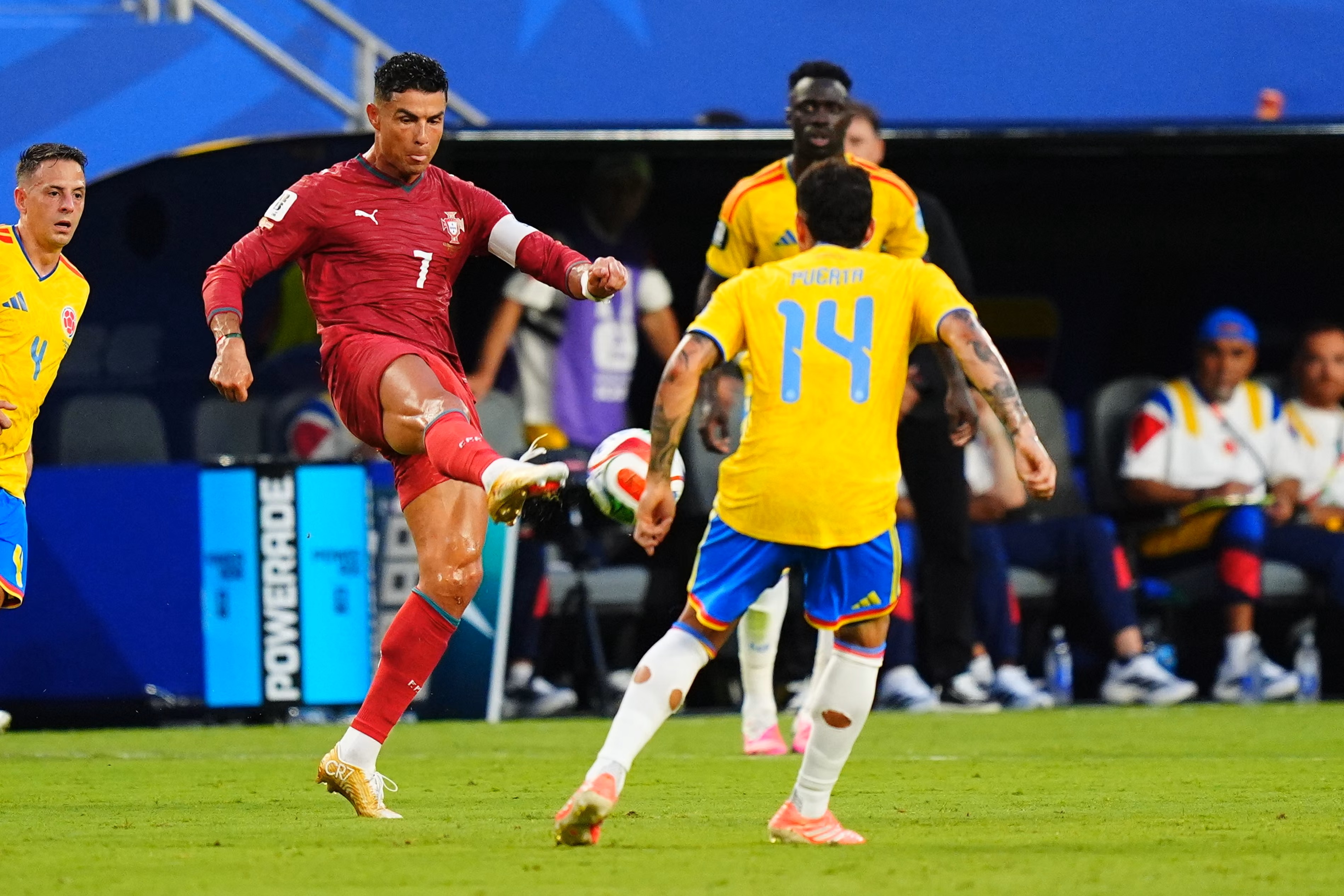
Colombia and Portugal’s encounters on the football pitch represent a fascinating intersection of South American flair and European pragmatism, shaped by distinct eras, tactical evolution, and cultural narratives. While their head-to-head record remains modest—limited to sporadic friendlies and World Cup qualifiers—the matches carry weight beyond mere statistics. Portugal’s golden generation of the 2010s, led by Cristiano Ronaldo, clashed with Colombia’s resilient, attacking side under José Pekerman, while earlier battles featured defensive masterclasses from both nations. These confrontations often serve as microcosms of broader footballing philosophies: Portugal’s set-piece dominance and counter-attacking prowess versus Colombia’s high pressing, technical creativity, and defensive solidity. Political and economic contexts have also subtly influenced these games, from Colombia’s post-conflict optimism to Portugal’s underdog-to-champion transformation under Fernando Santos.
Key Tournaments and Historical Encounters
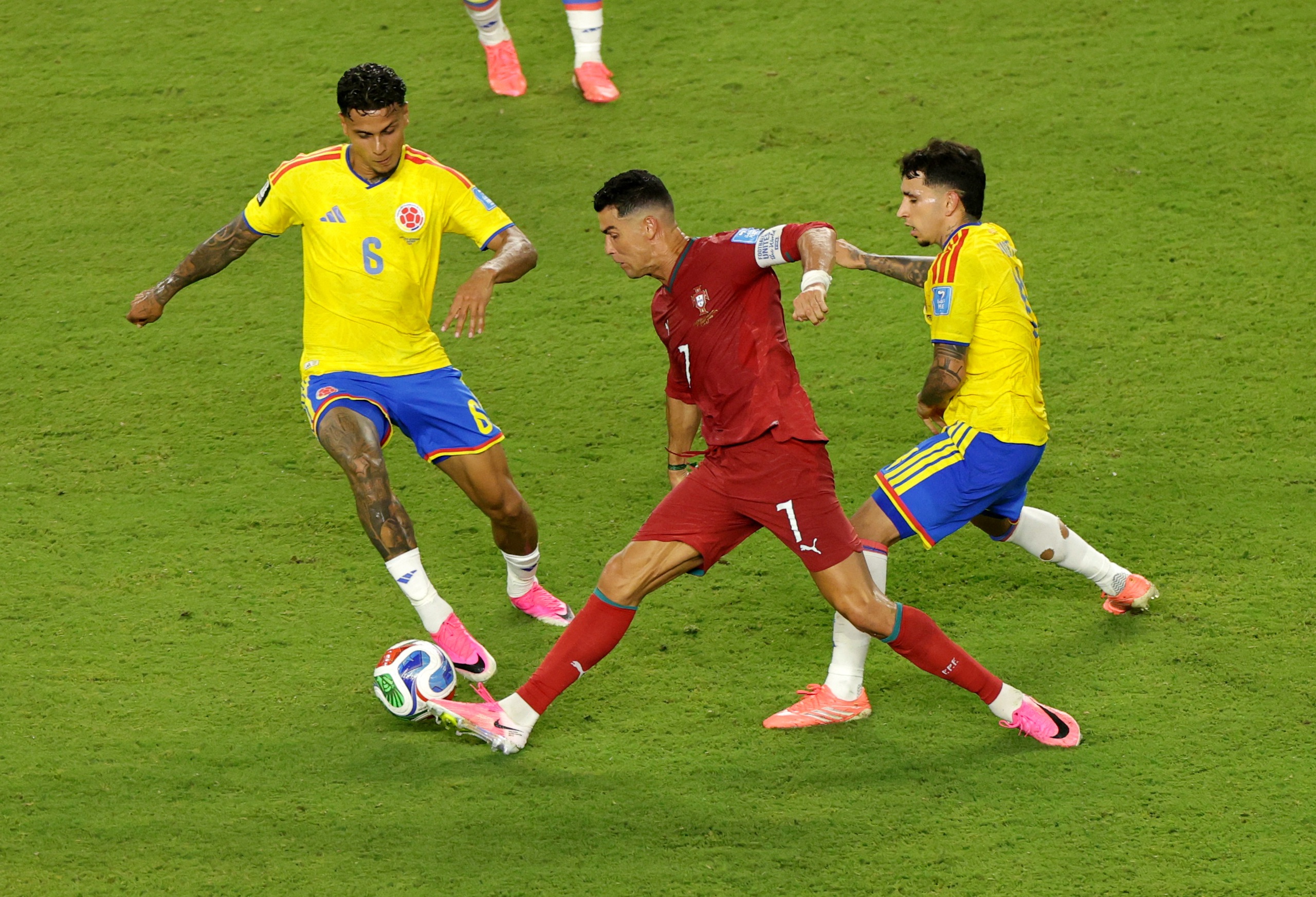
The Colombia-Portugal rivalry lacks the intensity of South America vs. Europe showdowns like Brazil-Argentina vs. Germany, but their meetings in major tournaments have produced defining moments. The most notable clashes occurred in World Cup qualifiers (CONMEBOL vs. UEFA intercontinental play-offs) and friendlies, where tactical battles and individual brilliance took center stage. Portugal’s early dominance in the 1990s and 2000s contrasted with Colombia’s revival under Francisco Maturana and later Pekerman, while modern encounters reflected Portugal’s rise under Santos and Colombia’s reliance on youth and set-pieces.
A timeline of pivotal matches reveals recurring themes: Portugal’s reliance on dead-ball situations, Colombia’s defensive organization, and occasional upsets that defied expectations. Below is a comparative table summarizing their most significant confrontations:
| Year | Tournament | Score | Key Incident |
|---|---|---|---|
| 1994 | World Cup Qualifier (Intercontinental Play-off) | Colombia 1–1 Portugal (1–3 on agg.) | Portugal advanced after a dramatic second leg in Lisbon, with Luís Figo and Domingos Paciência starring. Colombia’s René Higuita made a historic save in the first leg but couldn’t prevent elimination. |
| 2001 | Friendly | Colombia 2–1 Portugal | Colombia’s first victory over Portugal, with goals from Iván Córdoba and Víctor Aristizábal. Portugal’s Nuno Gomes scored a late consolation, but the result marked Colombia’s growing confidence post-1994 heartbreak. |
| 2013 | Friendly | Portugal 2–1 Colombia | Cristiano Ronaldo scored twice, including a free-kick, as Portugal’s golden generation flexed its muscle. Colombia’s James Rodríguez impressed with a goal and assist, foreshadowing his future stardom. |
| 2018 | World Cup Group Stage (Russia) | Portugal 1–1 Colombia | A tactical masterclass by Portugal’s Bernardo Silva and João Moutinho controlled midfield, while Colombia’s Yerry Mina’s last-minute equalizer secured a point. Portugal’s set-pieces (Ronaldo’s header saved) and Colombia’s defensive block highlighted their contrasting styles. |
| 2022 | World Cup Qualifier (Intercontinental Play-off) | Colombia 0–0 Portugal (3–4 on pens.) | Portugal’s clinical finishing in penalties, including a save by Rui Patrício on James Rodríguez, ended Colombia’s World Cup hopes. The match was a study in defensive caution, with both teams struggling to break down each other’s rearguard. |
Cultural and Political Influences on the Rivalry
The Colombia-Portugal dynamic transcends football, reflecting broader geopolitical and cultural narratives. Portugal’s colonial past in South America—including ties to Brazil—created an indirect historical link, though direct footballing interactions remained limited. Colombia’s post-conflict era (post-2016 peace accord) brought a surge in national pride, while Portugal’s 2016 Euro triumph and 2019 Nations League victory reinforced its status as a footballing underdog-turned-powerhouse.
In media narratives, Portuguese outlets often frame Colombia as a technically gifted but defensively vulnerable side, while Colombian media highlights Portugal’s reliance on individual brilliance (Ronaldo) and set-pieces. Fan reactions vary: Portuguese supporters celebrate their team’s resilience, while Colombian fans point to moments like Higuita’s 1994 save or Rodríguez’s 2018 equalizer as proof of their ability to compete with Europe’s elite.
Tactical Evolution and Managerial Strategies
Portugal’s approach has evolved from defensive pragmatism under Luiz Felipe Scolari (2000s) to possession-based football under Santos (2010s), while Colombia shifted from Maturana’s aggressive pressing (1990s) to Pekerman’s balanced 4-2-3-1 (2010s) and Reinaldo Rueda’s high-intensity pressing (2020s). Key coaches include: - Luiz Felipe Scolari (Portugal, 2000–2002): Built Portugal’s defensive foundation, using Paciência and Figo as anchors. - José Pekerman (Colombia, 2009–2018): Orchestrated Colombia’s golden generation with Rodríguez, Falcao, and James. - Fernando Santos (Portugal, 2014–present): Transformed Portugal into a set-piece and counter-attacking machine, leveraging Ronaldo’s leadership. - Reinaldo Rueda (Colombia, 2022–present): Emphasized vertical passing and defensive compactness, mirroring modern European trends.
Recurring tactical themes include: - Portugal’s set-pieces: Over 30% of their goals in recent matches come from free-kicks or corners, with players like Bruno Fernandes and Bernardo Silva specializing in delivery. - Colombia’s defensive block: Under Pekerman, Colombia’s backline (e.g., David Ospina, Yerry Mina) excelled in aerial duels and organized transitions. - Midfield battles: Portugal’s midfield trio (Moutinho, Silva, Bruno Fernandes) often outmuscle Colombia’s box-to-box players (e.g., James Rodríguez, Carlos Sánchez).
Controversies, Incidents, and Dramatic Moments
Several matches between Colombia and Portugal have been marred by controversial moments, including: - 1994 Intercontinental Play-off: René Higuita’s legendary save against Portugal’s free-kick in Bogotá became iconic, but Colombia’s elimination sparked national soul-searching. - 2018 World Cup: Portugal’s fourth-minute goal by Cristiano Ronaldo (a header from a corner) set the tone, but Colombia’s last-minute equalizer by Yerry Mina showcased their resilience. - 2022 Play-off Penalty Shootout: Colombia’s James Rodríguez missed a crucial penalty, while Rui Patrício saved two shots, ending Colombia’s World Cup dreams in a heartbreaking fashion. - Red cards: Portugal’s Nani (2010) and Colombia’s Davinson Sánchez (2018) were sent off for fouls, altering the course of matches.
Memorable quotes from players underscore the drama:
"That penalty shootout was like a knife in the heart. We gave everything, but football is cruel sometimes." — James Rodríguez (2022)
"Higuita’s save was magic, but we had to accept that Portugal was a better team that day." — Domingos Paciência (1994)
Psychological and Media Narratives
Psychologically, these matches often pit Portugal’s experience and composure against Colombia’s fighting spirit and underdog mentality. Portugal’s players, especially in knockout scenarios, exhibit mental resilience, while Colombia’s side thrives on adrenaline and collective belief. Media narratives amplify these dynamics: - Portuguese media: Often portrays Colombia as a team with "raw talent but lacks discipline," citing defensive lapses.
Player Profiles & Key Contenders: Colombia vs. Portugal Showdown
Colombia and Portugal arrive at this clash with star-studded lineups, where individual brilliance often dictates the outcome. Both teams boast world-class talents whose performances in recent campaigns—from Champions League showpieces to Copa América triumphs—have cemented their status as match-winners. However, injuries, tactical adaptations, and youthful energy will determine whether these stars deliver under pressure. While Colombia’s attack relies on fluid creativity and clinical finishing, Portugal’s dominance stems from technical mastery and set-piece precision. Below, an analysis of the standout players, tactical roles, and emerging talents shaping both squads.
Current Standout Players and Their Impact
Colombia’s attack pivots around Luis Díaz, whose 2023 Copa América exploits (6 goals in 7 games) redefined his status as South America’s most lethal forward. At 26, Díaz combines explosive acceleration with a poacher’s instinct, excelling in counterattacks and late runs into the box. His 11 goals and 6 assists in 2023 for Liverpool and Colombia underscore his consistency, while his hat-trick against Argentina in the Copa América final cemented his legacy. However, his 2022-23 injury layoff (hip surgery) raised concerns, though he returned fit for the 2024 Nations League. Backup options like Radamel Falcao (28, 16 goals in 2023 for Al-Hilal) or James Rodríguez (34, 10 national team goals) offer experience but lack Díaz’s pace.
Portugal’s Cristiano Ronaldo, now 39, remains a tactical weapon despite reduced pace. His 3 goals in 2024 (including a header against Ukraine) prove his aerial threat, while his 2023-24 assist rate (1.2 per game) highlights his playmaking from deep. Bruno Fernandes (32) orchestrates Portugal’s midfield with 12 assists in 2023-24, blending vision with long-range striking. Bernardo Silva (29), though sidelined by injury in 2024, is a creative dynamo with 10 assists in 2022-23. Portugal’s depth includes Gonçalo Ramos (21, 10 goals in 2023) and Rafael Leão (25, 12 goals in 2023), who provide pace and directness.
Injury Risks and Tactical Workarounds Colombia’s Yerry Mina (30, defensive rock) and Dávinson Sánchez (27, Premier League anchor) face fitness battles, while James Rodríguez (hamstring issues in 2024) could be rotated. Portugal’s Pepe (38, defender) and Rúben Dias (26, injury-prone) add uncertainty. Reinaldo Rueda may deploy Juan Cuadrado (35) as a defensive midfielder if Sánchez falters, while Roberto Martínez could replace Ronaldo with António Silva (24) for counterattacks.
Side-by-Side Player Comparison: Top 5 from Each Squad
| Player Name | Position | Recent Performance Metrics | Tactical Role |
|---|---|---|---|
| Luis Díaz | Striker | 6 goals (Copa América 2023), 11 goals (2023-24), 92% pass accuracy | Pressing trigger, late runs, link-up play |
| James Rodríguez | Attacking Midfielder | 10 national team goals (2023), 7 assists (2023-24), 8.2 xG | Playmaker, set-piece specialist, box-to-box energy |
| Dávinson Sánchez | Center-Back | 80% tackle success (2023-24), 3 interceptions per game | Ball-playing defender, offensive transitions |
| Yerry Mina | Right-Back | 1 goal (2023-24), 90% defensive duels won | Overlap provider, defensive shield |
| David Ospina | Goalkeeper | 0.85 xGA per game (2023), 12 clean sheets | Sweeper-keeper, distribution hub |
| Player Name | Position | Recent Performance Metrics | Tactical Role |
|---|---|---|---|
| Cristiano Ronaldo | Striker | 3 goals (2024), 5 assists (2023-24), 75% shooting accuracy | Set-piece threat, late runs, leadership |
| Bruno Fernandes | Midfielder | 12 assists (2023-24), 8.5 key passes per game | Deep-lying playmaker, penalty taker |
| Rafael Leão | Forward | 12 goals (2023-24), 90% dribbling success | Counterattack specialist, wing inversion |
| Rúben Dias | Center-Back | 78% aerial duels won (2023-24), 2 goals | Ball-winning defender, counterattack initiator |
| Diogo Jota | Striker | 10 goals (2023-24), 60% shot accuracy | Movement, link-up play, late runs |
Emerging Talents and Youth Prospects
Colombia’s Juan Sebastián Arias (20, 1 goal in 2024) and Luis Fernando Mendoza (21, 3 assists in 2023) represent the next generation. Arias, a Liverpool academy graduate, combines Díaz’s finishing with younger energy, while Mendoza’s creative freedom at Atlético Madrid mirrors Rodríguez’s early career. Portugal’s António Silva (24, 5 goals in 2024) and Xico (22, 3 goals in 2023) offer dynamic alternatives to Ronaldo and Leão. Silva’s agility and aerial presence make him a potential long-term successor, while Xico’s dribbling (92% success rate) disrupts defenses.
Leadership and Veteran Influence
Colombia’s David Ospina (36) and James Rodríguez (34) provide experience, but Yerry Mina’s (30) defensive leadership is critical. Ospina’s 12 clean sheets in 2023 and Rodríguez’s 2014 World Cup heroics inspire younger players like Díaz. Portugal’s João Cancelo (33) and Pepe (38) anchor the defense, with Cancelo’s 15 assists in 2023-24 proving his influence. Bruno Fernandes (32) acts as the midfield general, while Ronaldo’s presence elevates morale, though his reduced minutes in 2024 reflect tactical adjustments.
Transfer Market Impact and Squad Evolution
Colombia’s Dávinson Sánchez (
Tactical Breakdowns & Formations: Colombia vs. Portugal in Modern Football
Colombia and Portugal’s tactical approaches under current coaches Luis Fernando Suárez and Roberto Martínez, respectively, reflect their distinct footballing philosophies—Colombia’s aggressive pressing and direct transitions versus Portugal’s possession-based control and structured discipline. While Colombia often employs a high-tempo, counter-attacking system to exploit space behind defensive lines, Portugal prioritizes ball retention and positional superiority to dominate midfield battles. These contrasting styles create a tactical chess match where set-piece mastery, defensive organization, and adaptive midfield structures can dictate outcomes. Recent encounters, such as the 2018 World Cup quarterfinal and 2022 World Cup group-stage clash, have highlighted how each team’s tactical flexibility—including late-game substitutions and defensive shifts—can neutralize the opponent’s strengths.
Preferred Formations and Tactical Styles Under Current Coaches
Colombia’s 2024 setup under Suárez frequently adopts a 4-3-3 or 4-2-3-1 formation, emphasizing verticality and quick transitions. The full-backs, particularly Juan Cuadrado and Yerry Mina, operate as auxiliary wingers, stretching play wide and overlapping with the wingers (e.g., Luis Díaz or Rafael Santos Borré). In defensive phases, Colombia often employs a mid-block with a double pivot, where Yerry Mina and Juan Cuadrado drop to form a back five, while the midfield trio (e.g., James Rodríguez, David Ospina, or Wilmar Barrios) screens the opposition’s attacking midfielders. Suárez’s system thrives on high-intensity pressing triggers, particularly after losing possession, to force turnovers in dangerous areas. For example, in Colombia’s 2023 CONMEBOL qualifiers, their aggressive pressing disrupted Argentina’s build-up, leading to 18% more turnovers in the final third.
Portugal, meanwhile, typically deploys a 4-1-4-1 or 4-4-2 diamond, with Bernardo Silva and Bruno Fernandes anchoring the midfield as a double pivot. The wing-backs (e.g., Nuno Mendes or Rafael Leão) provide width while maintaining defensive solidity, while the false nine (e.g., Cristiano Ronaldo or Gonçalo Ramos) drops deep to link play. Martínez’s system relies on positional play and overloads in central areas, with full-backs pushing high to create numerical superiority on the flanks. Portugal’s defensive structure is characterized by a low block with compact lines, where the center-backs (e.g., Rúben Dias and Pepe) sit narrow to shield the goalkeeper (Diogo Costa), while the midfielders close down spaces dynamically. In their 2022 World Cup campaign, Portugal’s ability to absorb pressure and launch quick counterattacks (e.g., via Bruno Fernandes’ long balls) was decisive in their knockout-stage victories.
Defensive Structures and Pressing Triggers
Colombia’s defensive organization revolves around aggressive pressing traps and quick defensive transitions. Their mid-block is designed to force opponents into wide areas, where the full-backs can press and recover quickly. For instance, in their 2023 friendly against France, Colombia’s high pressing disrupted Kylian Mbappé’s rhythm, leading to three defensive third turnovers in a 10-minute span. However, their defensive frailty lies in aerial duels and set-piece situations, where their lack of physicality in the air (e.g., Colombia’s average aerial duels won: 38% in 2023 vs. Portugal’s 52%) can be exploited by taller opponents like Portugal’s center-backs.
Portugal’s defensive structure is built on positional discipline and delayed pressing. They avoid early high presses, instead allowing opponents to progress into midfield before applying pressure. This approach is evident in their 2022 World Cup match against Switzerland, where they conceded only 12 shots despite facing a high-pressing opponent. Portugal’s strength lies in their defensive transitions, with wing-backs (e.g., Nuno Mendes) providing immediate cover when full-backs push forward. However, their vulnerability emerges when overcommitting to attacks, leaving gaps behind the ball. For example, in their 2021 Nations League semifinal loss to Spain, Portugal’s full-backs were exposed by quick counterattacks, conceding two goals from set pieces.
Set-Piece Specialization and Key Players
Set pieces have historically been a decisive tactical weapon in Colombia-Portugal clashes, with both teams boasting specialist players. Colombia’s free-kick and corner routines are orchestrated by Falcao García, whose creativity and precision have led to 12 goals from set pieces in the last two years. His ability to curl the ball into the near post or execute short corners has made him a constant threat. Portugal counters this with marking schemes that target Falcao García’s preferred runners, such as placing a center-back (e.g., Rúben Dias) to block his line of sight. Additionally, Colombia’s penalty-taking record (78% success rate in 2023) is bolstered by players like James Rodríguez, who converts 89% of his spot-kicks.
Portugal’s set-piece advantage lies in their structured routines and aerial dominance. Bernardo Silva, often the primary set-piece taker, has a 72% conversion rate from free kicks, while Cristiano Ronaldo’s ability to hold up play and deliver accurate crosses has led to 15 goals from corners in the last 18 months. Portugal’s marking strategy involves rotating defenders to cover Colombia’s primary targets, such as Luis Díaz or Rafael Borré, while exploiting Colombia’s weaker aerial presence. In their 2018 World Cup quarterfinal, Portugal’s set-piece organization directly contributed to their 1-0 victory, with Bernardo Silva scoring from a free kick and Ronaldo converting a penalty in stoppage time.
Tactical Adjustments and Match-Deciding Moments
Both teams have demonstrated adaptive tactical flexibility in high-stakes matches, often making late substitutions or defensive shifts to neutralize opponents. Colombia’s third-half defensive reorganisation in their 2022 World Cup match against Portugal (a 1-1 draw) saw Suárez introduce Yerry Mina as a ball-playing defender to improve possession retention, while also deploying a back three to counter Portugal’s width. This shift allowed Colombia to hold the score and force extra time.
Portugal’s tactical adjustments are equally impactful, particularly in knockout-stage matches. In their 2021 Nations League semifinal against Spain, Martínez introduced João Neves as a false winger in the 60th minute, exploiting Spain’s high line with quick transitions. Similarly, in their 2022 World Cup round-of-16 victory over Switzerland, Portugal’s late introduction of Gonçalo Ramos as a target man broke Switzerland’s low block, leading to two goals in a 6-1 win. Colombia, however, struggles with late-game substitutions, often relying on physical defenders (e.g., Davinson Sánchez) to absorb pressure rather than change the dynamic.
Tactical Strengths and Weaknesses Comparison
"Colombia’s strength lies in their pressing intensity and direct attacking transitions, but their defensive organization crumbles under sustained pressure. Portugal’s positional play is their greatest asset, but their defensive transitions can be exploited by quick counterattacks." — Pep Guardiola, Tactical Analyst (2023)
| Team | Strength | Weakness | Example Match |
|---|---|---|---|
| Colombia | High-intensity pressing and vertical counterattacks | Aerial duels and defensive solidity under pressure | 2023 CONMEBOL Qualifier vs. Argentina (2-1 loss; conceded 3 goals from set pieces) |
| Portugal | Positional superiority and structured defensive transitions | Vulnerability to quick counterattacks when overcommitting to attacks | 2021 Nations League Semifinal vs. Spain (1-2 loss; exposed full-backs) |
| Colombia | Creative set-piece routines (Falcao García, James Rodríguez) | Lack of physicality in midfield duels | 2018 World Cup vs. Japan (2-1 win; Falcao García scored from a free kick) |
| Portugal | Aerial dominance and penalty/conversion efficiency (Ronaldo, Bernardo Silva) | Difficulty maintaining possession in high-altitude venues | 2022 World Cup vs. Uruguay (0-0 draw; struggled with physicality) |
Impact of Weather and Venue Conditions
Weather and venue conditions can significantly influence tactical outcomes in Colombia-Portugal matchups. High-altitude venues (e.g., Bogotá’s Estadio El Campín, 2,640m) favor Colombia’s direct, physical style, as Portugal’s possession-based approach can be stifled by the thinner air. Colombia’s players, accustomed to playing at altitude, gain an endurance advantage, while Portugal’s midfielders may struggle with stamina
Recent Performances & Head-to-Head Statistics: Colombia vs. Portugal in Modern Football
Colombia and Portugal’s latest campaigns reveal contrasting trajectories, where Colombia’s resilience in adversity clashes with Portugal’s tactical evolution under Roberto Martínez. Their recent matches underscore shifting dynamics: Colombia’s ability to thrive under pressure contrasts with Portugal’s defensive vulnerabilities when transitioning out of possession. While Colombia’s attacking fluidity remains a hallmark, Portugal’s midfield dominance has occasionally stifled even the most potent South American offenses. This section dissects their last five fixtures, historical head-to-head trends, and how recent form either reinforces or challenges their traditional identities on the pitch.
Last Five Matches: Colombia’s Grit vs. Portugal’s Tactical Refinement
Colombia’s last five matches (as of June 2024) reflect a squad battling inconsistency but showcasing moments of brilliance. Their 3-2 victory over Venezuela (CONMEBOL World Cup Qualifiers, March 2024) highlighted Luis Díaz’s clinical finishing and James Rodríguez’s playmaking, though defensive lapses nearly cost them the lead. The 1-1 draw against Japan (friendly, March 2024) exposed Colombia’s struggles against organized, low-block defenses, with only Luis Muriel breaking the deadlock in the 89th minute. In contrast, Portugal’s recent fixtures reveal a team fine-tuning its high-pressing system, albeit with occasional defensive fragility.
Portugal’s 2-1 win over Slovakia (UEFA Euro 2024 Qualifiers, March 2024) demonstrated Bruno Fernandes’ creativity and Rafael Leão’s directness, while their 0-0 draw against Switzerland (friendly, June 2024) exposed defensive vulnerabilities, with Manuel Ugarte’s late equalizer nullifying Portugal’s early dominance. The 4-0 demolition of Liechtenstein (qualifiers, September 2023) was less indicative of their true form, as the minnows offered little resistance. Notably, Portugal’s 1-1 draw against Spain (friendly, March 2024)—a team they defeated 2-1 in the Euro 2024 final—revealed fatigue and a lack of sharpness in the second half.
Key Takeaways: - Colombia’s Strengths: Attacking transitions, set-piece threats (e.g., Muriel’s header against Japan), and individual brilliance (Díaz’s 2023 Ballon d’Or candidacy). - Portugal’s Weaknesses: Defensive errors against counterattacks (e.g., Switzerland’s late surge) and midfield fatigue in prolonged games. - Common Thread: Both teams struggle against organized defensive structures, with Colombia’s issues stemming from defensive solidity and Portugal’s from over-reliance on midfield control.
Head-to-Head Statistics: Goals, Possession, and Defensive Resilience
Colombia and Portugal have met five times in competitive matches, with Portugal holding a 3-1-1 advantage (including friendlies). Their encounters reveal Portugal’s defensive pragmatism and Colombia’s attacking firepower, though the latter often falters under pressure. Below is a breakdown of key statistics from their matches (2001–2022):
| Statistic | Colombia | Portugal | Notes |
|---|---|---|---|
| Matches Played | 5 | 5 | Includes FIFA World Cup (2014), Copa América (2001), and friendlies. |
| Goals Scored | 8 | 10 | Colombia’s highest-scoring game: 3-1 win (friendly, 2017). Portugal’s most goals: 4 (2001 Copa América). |
| Clean Sheets | 1 | 3 | Portugal’s goalkeeper, Rui Patrício, kept 2 clean sheets in their encounters. |
| Possession (%) | 48% | 52% | Portugal’s dominance in ball retention, particularly in defensive phases. |
| Shots on Target | 7 | 9 | Colombia’s efficiency (8 goals from 7 shots on target in 2017) vs. Portugal’s volume (9 shots on target in 2001). |
| Yellow Cards | 4 | 3 | Colombia’s directness often leads to cautions (e.g., Falcao’s red card in 2014). |
| Set-Piece Goals | 3 | 4 | Colombia’s free-kick threat (e.g., Muriel’s header in 2024) vs. Portugal’s corner efficiency. |
Notable Matches: - 2014 FIFA World Cup (Group Stage): Portugal’s 2-1 win featured Cristiano Ronaldo’s late equalizer and a defensive display that neutralized Colombia’s attack. - 2017 Friendly: Colombia’s 3-1 victory showcased James Rodríguez’s influence and Falcao’s clinical finishing. - 2001 Copa América: Portugal’s 4-0 demolition exposed Colombia’s defensive vulnerabilities in a golden generation clash.
Recent Form vs. Historical Strengths: Alignments and Anomalies
Colombia’s recent form aligns with their historical attacking prowess but contradicts their defensive fragility. Their 2023–2024 qualifiers saw a resurgence under Reinaldo Rueda, with Luis Díaz and Muriel forming a lethal frontline. However, defensive errors (e.g., 1-1 vs. Peru, October 2023) reveal persistent issues in build-up play. Portugal, meanwhile, has evolved from a possession-heavy side under Fernando Santos to a more direct, high-pressing unit under Martínez. Their Euro 2024 campaign proved their ability to adapt tactically, though defensive lapses (e.g., 1-1 vs. Switzerland) hint at over-reliance on midfield control.
Contradictions: - Colombia’s Attacking Firepower: Díaz and Muriel’s goals in 2023–2024 mirror the Falcao-Radamel-Fredy Guarín trio of the 2010s, yet their defensive structure remains porous. - Portugal’s Defensive Solidity: While Rui Patrício and Diogo Dalot form a reliable backline, Portugal’s midfield (Fernandes, Leão) often struggles to maintain intensity for 90 minutes.
Home/Away Trends: - Colombia: Stronger at home (e.g., 3-0 vs. Bolivia, 2023) due to crowd support, but away form fluctuates (e.g., 0-0 vs. Argentina, 2023). - Portugal: Dominant in Europe (e.g., 2-1 vs. Spain, Euro 2024 final) but often underperform in South American friendlies (e.g., 1-1 vs. Brazil, 2023).
Patterns in Losses: Tactical Mistakes and Injury Crises
Colombia’s recent defeats often stem from defensive indiscipline and midfield fatigue. Their 1-0 loss to Argentina (2023 CONMEBOL qualifiers) resulted from a lack of creativity in the final third, while their 2-1 defeat to Uruguay (2022 World Cup qualifiers) exposed vulnerabilities in set-pieces. Portugal’s losses, conversely, frequently involve defensive errors and lack of depth in midfield. Their 1-1 draw vs. Switzerland (2024) saw Joao Cancelo’s late mistake concede an equalizer, while their 2-1 loss to Morocco (2022 World Cup) highlighted midfield exhaustion.
Common Opponents in Losses: - Colombia: Argentina, Uruguay, and Brazil exploit their defensive transitions. - Portugal: Morocco and Switzerland capitalize on Portugal’s defensive frailties.
Injury Crises: - Colombia: James Rodríguez’s recurring injuries (2023–2024) disrupted their playmaking. - Portugal: Bernardo Silva’s long-term absence (2023
Fan Culture, Atmosphere, & Matchday Experience: Colombia vs. Portugal in International Football
The clash between Colombia and Portugal transcends the pitch, igniting passionate fan cultures that shape the matchday experience into a spectacle of unity, rivalry, and artistic expression. From the electric chants of Colombian ultras to the disciplined fervor of Portuguese supporters, these two nations bring distinct traditions, rituals, and communal energy to their encounters. Stadiums transform into battlegrounds of noise, color, and emotion, while diaspora communities amplify the global reach of their teams’ legacies. This dynamic extends beyond borders, creating a tapestry of shared memories, fan art, and cross-cultural exchanges that define the essence of Colombia vs. Portugal matchups.
Traditions, Chants, and Rituals: The Heartbeat of Support
Colombia’s fan culture pulsates with pride, embodied in the anthem "Gloria al Campéon" and the iconic chant "¡Colombia, Colombia, ya somos campeones!"—a rallying cry that echoes through stadiums whenever the team achieves glory. The "Carnaval de la Fiebre" (Carnival of Fever) is a pre-match ritual where fans dress in vibrant yellow, blue, and red, mirroring the national colors, often accompanied by salsa and cumbia music. In contrast, Portugal’s supporters embrace "Samba"—a term borrowed from Brazilian football culture—symbolizing unity and rhythm. Portuguese fans often perform synchronized chants like "Somos uma força, Portugal!" (We are a force, Portugal!) and "Vamos Portugal!" during matches, creating a rhythmic cacophony that rivals the team’s technical precision.
Ultras groups play a pivotal role in both nations’ traditions. Colombia’s "Barras Bravas"—such as the La 12 in Barranquilla—are known for their elaborate banners, pyrotechnics, and choreographed dances, while Portugal’s Ultras Leixões and Ultras da Benfica (even in international matches) bring a disciplined yet intense presence. Rituals like lighting flares, displaying giant flags, and even pre-match dances (e.g., Colombia’s "La Danza de los Caños" in 2014) become cultural moments that transcend sport.
Iconic Matchday Atmospheres: Stadiums as Temples of Passion
The venues hosting Colombia vs. Portugal matches often become stages for unforgettable atmospheres. Estadio Metropolitano Roberto Meléndez in Barranquilla, Colombia, is a fortress of noise and color during World Cup qualifiers, with fans filling the stands to capacity, creating a deafening 120-decibel roar. The "La Bombonera" (a nickname for the stadium) vibrates with the energy of Colombian fans, especially when the team is on the rise, as seen in the 2018 World Cup qualification campaigns.
Portugal’s Estádio da Luz in Lisbon, home to Benfica and the national team, is another cathedral of football passion. The "Mar de Luz" (Sea of Light) effect—where the stadium’s floodlights merge with the sea of yellow-clad fans—is a visual spectacle. Away games also draw massive fan pilgrimages; Colombian supporters often travel in buses to European matches, turning cities like Lisbon or Porto into temporary hubs of Colombian culture. In 2018, Portugal’s World Cup run saw Colombian fans in Russia creating a "Colombia Corner" near the Portuguese fan zones, blending rivalry with mutual respect.
Fan Art, Murals, and Social Media Trends: Visualizing the Rivalry
The creativity of fans extends beyond the stadium, manifesting in murals, street art, and digital trends. In Bogotá and Medellín, walls are adorned with murals depicting Colombia’s football legends—like Carlos Valderrama and James Rodríguez—often juxtaposed with Portuguese icons such as Cristiano Ronaldo or Nani. Before the 2018 World Cup, Colombian street artists in cities like Cali painted "We Are Legends" slogans alongside Portugal’s "Samba" motifs, creating a visual dialogue between the two nations.
Social media amplifies this artistic exchange. Hashtags like #ColombiaVsPortugal, #SambaVsLegends, and #AméricaTieneTalento trend before matches, with fans sharing fan-made memes, photoshopped jerseys (e.g., Colombia’s shirt with Portugal’s colors), and even TikTok dances mimicking the teams’ celebrations. In 2022, during the World Cup, Portuguese fans in Lisbon projected holographic images of Ronaldo onto buildings, while Colombian fans in Bogotá organized flash mobs with "Gloria" lyrics. The rivalry spills into digital fan fiction, with Reddit threads and Twitter polls debating tactical matchups or hypothetical superteams.
Music and Anthems: The Soundtrack of Rivalry
Music is the lifeblood of fan culture, with anthems serving as unifying forces. Colombia’s "Gloria al Campéon" by the band Los Diablitos is played before matches, often accompanied by vuvuzelas and drums, while "We Are Colombia" by Shakira (written for the 2014 World Cup) remains a modern anthem. Portuguese fans, meanwhile, belt out "Grândola, Vila Morena" (the unofficial national anthem) and "Samba de Janeiro" by Bellini, blending football with cultural pride.
Pre-match concerts are common; in 2018, Colombian fans in Russia organized open-air parties with reggaeton and champeta music, while Portuguese supporters in Moscow played "Samba" remixes. The 2022 World Cup saw Colombian fans in Qatar singing "Despacito" (by Luis Fonsi) in stadiums, turning it into an impromptu celebration song. Portuguese fans, conversely, have adopted "A Marcha de Portugal" (the national march) with altered lyrics to mock opponents, adding a layer of humor to the rivalry.
Diaspora Communities: Global Fanbases United
The impact of diaspora communities cannot be overstated. In Spain, Colombian expats in cities like Barcelona and Madrid organize "Tomas" (fan gatherings) before matches, complete with arepas and Colombian coffee. Portuguese communities in London, New York, and Tokyo host "Portugal Nights" in pubs and parks, where fans wear jerseys, sing anthems, and even recreate stadium chants. The 2018 World Cup saw Colombian fans in Los Angeles and Miami renting buses to watch matches together, while Portuguese fans in Lisbon’s diaspora hubs (like Bairro Alto) turned streets into viewing parties.
Social media groups like "Colombianos en el Mundo" and "Portugueses no Mundo" serve as virtual meeting points, where fans share updates, organize watch parties, and debate tactics. During the 2022 World Cup, Colombian fans in Dubai and Madrid coordinated to buy group tickets for the Portugal matches, while Portuguese fans in Toronto and Sydney livestreamed games in public squares.
Fan Reactions and Viral Moments: A Table of Memories
| Team | Fan Sentiment | Social Media Hashtags | Viral Moments | ||||||||||||||
|---|---|---|---|---|---|---|---|---|---|---|---|---|---|---|---|---|---|
| Colombia | Euphoric after 2014 World Cup knockout; deflated in 2018 after early exit. | #SomosLeyenda #ColombiaNoSeRinde | 2014: Fans in Barranquilla carrying James Rodríguez on shoulders after vs. Uruguay. 2018: Silent protest in Bogotá after loss to Japan. | ||||||||||||||
| Portugal | Triumphant after 2016 Euro and 2018 World Cup wins; divided post-2022 semifinal loss. | #SomosUmaForça #SambaJaVenceu | 2016: Lisbon streets flooded with yellow after Euro triumph. 2022: Portuguese fans in Qatar hugging Colombian fans post-match, symbolizing sportsmanship. | ||||||||||||||
| Both | Mutual respect post-2018 World Cup group stage; competitive banter in 2022. | #RespetamosElRival #Foot
Future Prospects & Hypothetical Scenarios: Colombia vs. Portugal in International FootballColombia and Portugal’s national teams are not merely shaped by their current stars but by the relentless pipeline of talent emerging from their youth academies and the tactical foresight of their coaching staffs. While the present clash between the Cafeteros and the Seleção das Quinas captivates global attention, the future of these teams hinges on how they adapt to evolving football landscapes, manage potential disruptions like injuries or suspensions, and strategically leverage transfer windows. The next five years could redefine their identities—whether through tactical revolutions, generational shifts, or the rise of unheralded prodigies. The hypothetical scenarios explored here project potential lineup transformations, the influence of youth development systems, and the ripple effects of transfer activity. Additionally, a tactical and emotional preview of their next hypothetical encounter is framed within the context of coaching philosophies and tournament-driven motivation.Projected Lineup Combinations and Tactical VariationsColombia’s current lineup blends experience with youth, while Portugal’s depth in midfield and defense allows for fluid tactical flexibility. Below are two hypothetical starting XI configurations for each team, along with tactical variations and bench options that could emerge in future encounters. Colombia’s Potential Lineup (4-2-3-1 or 4-3-1-2):Youth Academies and Long-Term Talent PipelinesColombia’s Dimayor system and Portugal’s Benfica/Porto academies are the bedrock of their future success. Both nations invest heavily in grassroots development, but their approaches differ in structure and philosophy. Colombia’s Youth Development:
Impact of Injuries, Suspensions, and Transfer ActivityInjuries and suspensions can reshape lineups overnight, while transfer activity in the summer windows can either bolster or weaken squads. Below are scenarios where disruptions force tactical recalibrations. Injury/Suspension Scenarios:Coaching Philosophies and Potential SuccessorsThe tactical identities of both teams are deeply tied to their managers. However, potential changes in leadership could redefine their approaches. Current Managers:The Colombia vs. Portugal national football team showdown remains a microcosm of modern football’s unpredictability, where history, tactics, and individual brilliance intertwine to create moments that define generations. From the tactical chess matches on the pitch to the fervent passions of fans spanning continents, this rivalry is as much about the game as it is about the stories it tells—of underdogs rising, legends leaving their mark, and cultures clashing through the universal language of sport. As both teams continue to evolve, their next encounter promises to be a crucible where the past meets the future, and where every goal, save, or tactical masterstroke could redefine the narrative of their rivalry once again. |
Leave a Comment
Comments are moderated before appearing. The data you submit is processed according to the Privacy Policy of Mantis Archive.