The Devil Wears Prada Watch Movie Unveils Fashion Power and Cultural Shifts
Table of Contents
- The Devil Wears Prada’s Unparalleled Influence on Fashion and Workplace Culture
- Fashion Industry Trends and the Film’s Aesthetic Revolution
- Chronological Breakdown: Media Portrayals of Female Ambition Before and After The Devil Wears Prada
- Timeline: Key Scenes vs. Real-Life Fashion and Cultural Events
- Iconic Scenes and Symbolism in The Devil Wears Prada
- Metaphorical and Literal Interpretations of the Title Through Key Scenes
- Significance of the Opening Scene: Andy’s Arrival in New York
- Visual and Emotional Breakdown of the Runway Scene
- Step-by-Step Analysis of the Shoe Scene: Psychological and Symbolic Layers
- Lesser-Known but Impactful Scenes and Their Narrative Contributions
- Fashion Breakdown: Costumes, Styling, and the Role of Prada in The Devil Wears Prada
- Miranda Priestly’s Armor: Costume Analysis of Authority and Intimidation
- Andy Sachs’ Transformation: From Small-Town Journalist to New York Fashionista
- Prada’s Strategic Branding: Subtle Promotion as Narrative Device
- Emily Charlton: The Contrast of Competence and Conformity
- Behind the Scenes: Filming Locations, Crew, and Production Secrets of The Devil Wears Prada
- Filming Locations: Real New York Spaces as Runway Magazine’s Fictional World
- Key Crew Members and Their Contributions to the Film’s Iconic Look
- Challenges of Filming the Runway Scene: Logistics of a High-Stakes Fashion Show
- Soundtrack Selection: How Music Enhanced Emotional Beats and Industry Satire
- Character Psychology: Miranda Priestly, Andy Sachs, and the Dynamics of Power
- Miranda Priestly: The Enigma of Power and the Reinvention of Leadership Stereotypes
- Andy Sachs: The Psychological Journey from Idealism to Self-Discovery
- Mentorship Dynamics: Miranda and Andy vs. Iconic Mentor-Protégé Relationships in Film and Literature
- Emily Charlton: The Foil to Andy’s Ambition and a Cautionary Tale of Conformity
- The Devil Wears Prada’s Enduring Appeal: Why the Movie Still Resonates
- Modern Relevance: Ambition, Sacrifice, and Identity in the Gig Economy
- Cultural Longevity: Memes, Parodies, and the Power of Miranda’s Catchphrases
- Inspiration for Careers in Fashion, Journalism, and Styling
- Audience Reactions and Fan Theories: Debating Andy’s Ambiguous Future
- Box Office, Awards, and Critical Re-evaluation: From Cult Classic to Timeless Icon
The Devil Wears Prada transcended its 2006 release to become a cultural touchstone, embedding itself in conversations about ambition, identity, and the brutal allure of the fashion industry. Directed by David Frankel, the film starred Meryl Streep as the formidable Miranda Priestly, whose razor-sharp wit and unyielding authority redefined on-screen portrayals of female power. Beyond its box office success, the movie sparked real-world fashion revolutions, from the resurgence of sleek, minimalist silhouettes to the sudden ubiquity of Prada’s logo in everyday lexicon.
At its core, The Devil Wears Prada captured a moment of transition in media, where female ambition was no longer framed as a quirky anomaly but as a relatable, if exhausting, pursuit. The film’s release coincided with a broader cultural shift, as women in professions like journalism, law, and entertainment increasingly demanded visibility and respect. Miranda Priestly’s monologues—delivered with icy precision—became shorthand for workplace intimidation, while Andy Sachs’ transformation from small-town idealist to jaded New York professional mirrored the disillusionment of a generation navigating competitive careers. The movie’s influence extended beyond cinema, seeping into red carpets, boardrooms, and social media feeds, where its iconic moments remain endlessly dissected.

The Devil Wears Prada’s Unparalleled Influence on Fashion and Workplace Culture
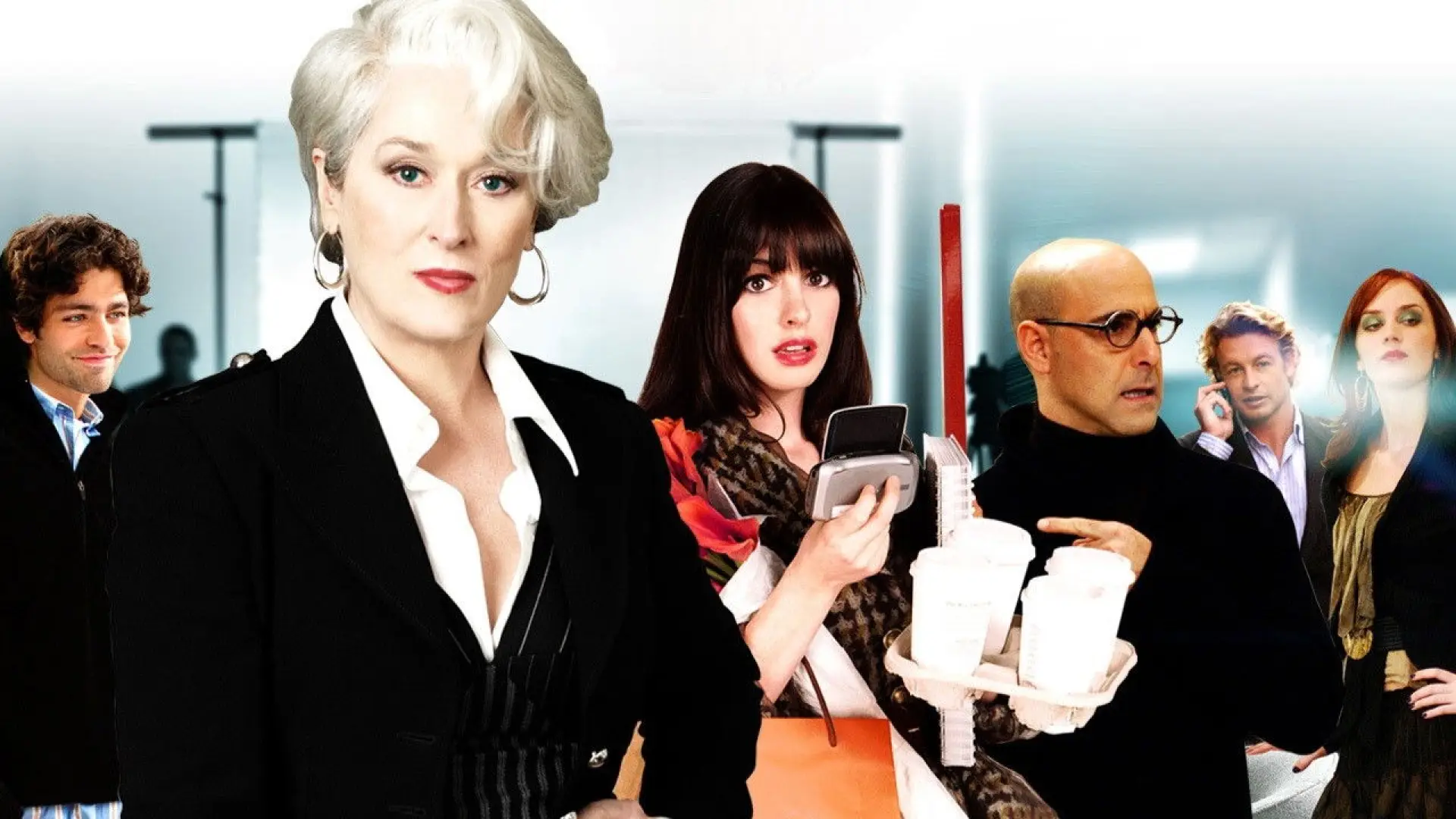
The Devil Wears Prada (2006), directed by David Frankel and adapted from Lauren Weisberger’s novel, transcended its status as a mere fashion drama to become a cultural phenomenon that reshaped perceptions of ambition, power, and aesthetics in the 2000s. The film’s release in April 2006 coincided with a media landscape undergoing rapid transformation, where female ambition in high-pressure industries was increasingly scrutinized and celebrated. Its portrayal of Miranda Priestly, the ruthless yet iconic editor-in-chief of Runway magazine, not only mirrored but also amplified the evolving dynamics of workplace fashion and gender expectations. The movie’s aesthetic—defined by bold silhouettes, power dressing, and the fusion of professionalism with personal style—left an indelible mark on real-world fashion, from red carpet appearances to everyday office attire. By dissecting its cultural impact, this analysis explores how The Devil Wears Prada became a mirror reflecting societal shifts while simultaneously shaping them.
Fashion Industry Trends and the Film’s Aesthetic Revolution

The 2000s marked a decade where fashion media increasingly blurred the lines between fantasy and reality, and The Devil Wears Prada played a pivotal role in this evolution. The film’s costume design, overseen by Patricia Field, became a masterclass in translating editorial glamour into wearable power. Key looks—such as Anne Hathaway’s transformation from her initial interview outfit (a modest black dress) to the iconic black Chanel suit with a cropped jacket, Manolo Blahnik stilettos, and oversized sunglasses—embodied the era’s shift toward minimalist sophistication with a sharp edge. These elements were not merely cinematic choices but direct responses to the fashion industry’s growing emphasis on versatility, confidence, and authority in attire.
The film’s influence extended beyond the screen into real-world fashion moments. For instance: - Victoria Beckham’s 2007 Met Gala appearance drew parallels to Miranda Priestly’s red carpet looks, featuring structured tailoring and monochromatic palettes that echoed the movie’s aesthetic. - Nicole Kidman’s 2006 Oscar red carpet look, a black Alexander McQueen gown, mirrored the film’s blend of high fashion and dramatic silhouettes, reinforcing the idea that fashion was a tool for command. - Runway shows in the mid-2000s, particularly those by Marc Jacobs and Alexander McQueen, incorporated the film’s signature oversized blazers, asymmetrical hemlines, and metallic finishes, which became staples of the decade.
The movie’s aesthetic also democratized luxury fashion in a way that previous media depictions had not. While films like Sex and the City (1998–2004) celebrated fashion as a form of self-expression, The Devil Wears Prada positioned it as a non-negotiable component of professional success. This shift was particularly notable in how workplace attire for women was redefined, moving away from conservative norms toward bold, structured pieces that conveyed competence and ambition.
Chronological Breakdown: Media Portrayals of Female Ambition Before and After The Devil Wears Prada
The release of The Devil Wears Prada in 2006 occurred during a critical juncture in media representations of female ambition. To contextualize its impact, a chronological comparison reveals how the film both reflected and accelerated cultural shifts:
"The fashion industry has always been about power, but The Devil Wears Prada made it undeniable that power could be worn—literally." — Patricia Field, Costume Designer
- Pre-2000s (1990s): The Rise of the "Power Suit" Films like Working Girl (1988) and Thelma & Louise (1991) introduced the idea of fashion as a symbol of female agency, but these narratives often framed ambition as a rebellion against traditional norms. The power suit—popularized by designers like Ralph Lauren—became a staple of corporate femininity, though its adoption was still met with skepticism.
- Early 2000s (2000–2005): The Sex and the City Effect Sex and the City (1998–2004) redefined fashion as personal freedom, emphasizing designer labels, hemlines, and hedonism over professionalism. While the show celebrated female independence, it often separated fashion from career, portraying ambition (e.g., Carrie Bradshaw’s struggles with Vogue) as secondary to romantic and social pursuits.
- 2006–2010: The Devil Wears Prada as the Turning Point The film’s release coincided with a media shift toward portraying ambition as both desirable and achievable, but with higher stakes. Miranda Priestly’s character merged the ruthlessness of male-dominated industries with the sartorial precision of high fashion, creating a template for female authority figures in media. This was evident in: - Anna Wintour’s public persona (then Vogue editor-in-chief), whose minimalist, all-black wardrobe became a cultural shorthand for uncompromising professionalism, directly influenced by Priestly’s aesthetic. - The rise of "boss babe" culture, where fashion became synonymous with leadership, as seen in Sheryl Sandberg’s TED Talks and Oprah’s structured yet bold style. - Reality TV shows like The Apprentice (2004–2017), where power dressing (e.g., Donald Trump’s suits, later mirrored by female contestants) reinforced the idea that clothing conveyed competence.
- 2010s–Present: The Legacy of Priestly’s Influence A decade later, the film’s impact persists in workplace fashion trends, such as: - The resurgence of the "blazer dress" (e.g., Phyllida Lloyd’s 2018 Oscar red carpet look, Meghan Markle’s 2019 Commonwealth Day outfit). - The "quiet luxury" movement (2020s), where minimalist, high-quality tailoring (e.g., Loro Piana, Brunello Cucinelli) echoes the film’s understated elegance with hidden luxury. - Social media’s adoption of "Miranda Priestly core" memes, where users mock and celebrate the idea of fashion as a tool for dominance.
Timeline: Key Scenes vs. Real-Life Fashion and Cultural Events
The film’s narrative structure parallels real-world fashion and cultural milestones, creating a visual timeline that underscores its relevance. Below is a comparative breakdown of pivotal scenes and their corresponding real-life events:
-
Scene: Andy’s First Interview (Black Dress, Chanel Suit)
- Film Context (2006): Andy Sachs (Anne Hathaway) arrives at Runway in a black Chanel suit, symbolizing her attempt to conform to the industry’s expectations.
- Real-Life Parallel (2005–2006): The Chanel tweed suit became a status symbol in corporate America, worn by figures like Hillary Clinton and Meg Whitman, signaling a shift toward structured, gender-neutral professionalism.
- Cultural Note: This scene reflected the post-9/11 professionalization of fashion, where minimalism and practicality replaced the maximalism of the late '90s.
-
Scene: Miranda Priestly’s Red Carpet Appearance (Black Dress, Oversized Sunglasses)
- Film Context (2006): Priestly’s all-black ensemble and detached demeanor set the tone for the film’s power fantasy aesthetic.
- Real-Life Parallel (2006–2007): Anna Wintour’s red carpet appearances (e.g., 2006 Met Gala) adopted a similar monochromatic, structured approach, reinforcing the idea that fashion was a form of silent authority.
- Fashion Impact: This look redefined red carpet minimalism, influencing designers like Alexander McQueen and Jil Sander to prioritize architectural tailoring over embellishment.
-
Scene: Emily’s "I Am a Woman" Moment (Blazer Dress, High Heels)
- Film Context (
Iconic Scenes and Symbolism in The Devil Wears Prada
The Devil Wears Prada transcends its status as a fashion-centric comedy-drama to become a cultural artifact, dissecting ambition, identity, and the psychological toll of success. The film’s title itself is a dual-edged metaphor: "the devil" embodies the cutthroat ambition and moral compromises demanded by high-stakes industries, while "Prada" symbolizes both the allure and the oppressive weight of elite status. These themes are embedded in its visual and narrative language, where every scene—from Andy Sachs’s disorienting arrival in New York to her emotional breakdown in the shoe closet—serves as a microcosm of the film’s broader critique. Through meticulous cinematography, costume design, and symbolic staging, the movie transforms mundane moments into powerful statements about transformation, power dynamics, and the cost of reinvention.Metaphorical and Literal Interpretations of the Title Through Key Scenes
The title’s duality is most evident in the film’s treatment of Miranda Priestly, the devil incarnate. Her character is a literal embodiment of the "devil," wielding manipulation, cold pragmatism, and an unyielding pursuit of perfection. Priestly’s monologues—such as her infamous "That’s the thing about New York... everybody thinks they run the place"—reveal her as a figure who thrives on chaos, extracting loyalty through intimidation. Yet, the "Prada" in the title also represents the illusion of empowerment the fashion world offers. Andy’s journey mirrors the paradox: she gains influence (a job at Runway) but loses her authentic self, trapped in a gilded cage where success demands self-erasure. The film’s literal interpretation of "Prada" extends to the brand’s omnipresence as a status symbol. Miranda’s obsession with Prada—her signature black ensembles, her disdain for "cheap" alternatives—highlights how luxury fashion functions as a currency of power. Even minor characters, like Emily Charlton’s transformation from a timid assistant to a confident stylist, underscores how Prada (and by extension, Runway) acts as a catalyst for reinvention, albeit at a personal cost. The title thus becomes a warning: the path to success in this world is paved with moral ambiguity, and the "devil" is not just Miranda but the system itself.Significance of the Opening Scene: Andy’s Arrival in New York
Andy Sachs’s arrival in New York—a disoriented small-town journalist thrust into the heart of Manhattan’s fashion elite—sets the film’s tone through visual dissonance and narrative contrast. The scene begins with a slow-motion shot of Andy’s taxi weaving through the city, accompanied by the upbeat, synth-heavy score by Alexandre Desplat, which immediately establishes the film’s blend of glamour and tension. The low-angle framing of the taxi’s windshield, smudged with rain, mirrors Andy’s unfocused perspective, reinforcing her outsider status. The contrast between Andy’s suburban past and New York’s chaos is emphasized through costume and setting. She arrives in a practical, oversized trench coat and sensible boots, a stark departure from the sleek, tailored looks of Manhattan’s elite. When she steps into the Runway office, the cold, sterile white walls and mirror-lined corridors symbolize the detached, perfectionistic world she is about to inhabit. This juxtaposition foreshadows her transformation—and alienation—as she sheds her old identity to conform to Miranda’s expectations. The scene’s sound design further amplifies the disorientation: the hum of city traffic gives way to the eerie silence of the Runway office, where the only sound is the clicking of heels and the rustle of fabric—a metaphor for the invisible rules Andy must learn to navigate. The opening thus establishes the film’s central theme: identity is fluid, and survival in this world requires reinvention, even if it means losing oneself.Visual and Emotional Breakdown of the Runway Scene
The "runway humiliation" scene—where Andy is publicly berated by Miranda for a misstep during a fashion show—is a masterclass in cinematic storytelling, blending visual symbolism, sound, and costume to create a moment of unrelenting emotional weight. The scene begins with wide shots of the runway, bathed in harsh, fluorescent lighting, which casts long, unflattering shadows on Andy’s face, emphasizing her vulnerability. The slow zoom on Miranda’s face as she delivers her critique ("You don’t get to decide what’s appropriate") mirrors the inescapable gaze of judgment Andy faces. Costume plays a critical role: Andy’s ill-fitting, mismatched outfit (a borrowed blazer and a skirt that’s too short) visually represents her lack of belonging. Meanwhile, Miranda’s immaculate black Prada ensemble—structured, seamless, and authoritative—underscores her unassailable power. The color palette shifts from the cool blues and grays of the runway (symbolizing detachment) to the warm, golden tones of the audience’s reactions (a stark contrast to Andy’s humiliation). The sound design heightens the tension: the silence before Miranda’s voice is deafening, followed by her sharp, cutting delivery, which physically jolts Andy (notably, the sound of her chair scraping back is exaggerated for dramatic effect). The audience’s laughter in the background is amplified, making Andy’s isolation painfully audible. The scene’s final shot—a close-up of Andy’s tear-streaked face as she walks off the runway—is framed in soft focus, blurring the line between reality and nightmare, leaving the audience to question whether this is a moment of failure or awakening.Step-by-Step Analysis of the Shoe Scene: Psychological and Symbolic Layers
Andy’s emotional breakdown in the shoe closet is one of cinema’s most visually and psychologically rich sequences, serving as a cathartic release for her internal conflict. The scene unfolds in three distinct phases, each layered with symbolism: 1. The Descent into Chaos The closet is a labyrinth of shoes, a metaphor for Andy’s trapped identity. The close-up shots of heels—some pristine, others scuffed—mirror her perception of herself: caught between aspiration (the perfect shoes) and self-doubt (the damaged ones). The sound of shoes clattering as she kicks them creates a rhythmic, almost hypnotic effect, reinforcing her loss of control. The dark, confined space (lit only by a single overhead bulb) symbolizes her psychological suffocation. 2. The Breaking Point Andy’s physical collapse—sinking to the floor, sobbing—is framed in extreme close-up, drawing the audience into her raw vulnerability. The lack of dialogue forces the audience to internalize her emotions, making her silent scream more powerful. The reflection of her tear-streaked face in a shoe box adds a layer of self-confrontation, as if she is staring at her own failure. 3. The Realization of Agency The scene’s final shot—a slow push-in on Andy’s face as she wipes her tears and stands—signals her resurgence. The sound of her footsteps echoing as she walks out marks a shift from victim to survivor. The symbolism of shoes culminates here: she chooses to leave, rejecting the stifling expectations of the fashion world. The closet, once a prison, becomes a catalyst for self-liberation.Lesser-Known but Impactful Scenes and Their Narrative Contributions
While the runway and shoe scenes dominate discussions, several subtler moments deepen the film’s exploration of transformation, mentorship, and systemic power. These scenes, often overlooked, are essential to the narrative arc: - Emily Charlton’s Transformation Emily’s evolution from a meek assistant to a confident stylist (seen in her bold haircut and tailored suits) reflects the illusion of meritocracy in Runway. Her shift from copying Andy’s notes to commanding Miranda’s attention suggests that conformity, not authenticity, is rewarded. The scene where she smirks at Andy after securing her own promotion underscores the cutthroat nature of the workplace.
- Nigel’s Mentorship and Sacrifice Nigel’s guidance of Andy—teaching her the unwritten rules of fashion—humanizes the industry. His
- Structured wool crepe for her iconic black pantsuits, often paired with silk blouses in muted tones (black, gray, or deep burgundy). The matte finish of the wool contrasts with the sheen of silk, adding visual depth.
- Trench coats in black or camel, frequently accessorized with leather gloves—a nod to classic editorial fashion while maintaining a modern edge.
- Pearls and diamond studs as understated yet luxurious accessories, symbolizing her elite status without overt flashiness.
- Minimalist jewelry, such as thin gold chains or geometric brooches, which complement her austere aesthetic without distracting from her commanding presence. Priestly’s hairstyle—a sleek, low chignon—further amplifies her authority, framing her face in a way that emphasizes her piercing gaze. The absence of color in her wardrobe (save for occasional burgundy or emerald accents) reinforces her cold, calculating persona. Even her footwear, predominantly black pumps with modest heels, is functional yet elegant, mirroring her no-nonsense leadership style.
- Neutral tones (beige, khaki, pastel blues) dominated by cotton blends and soft fabrics, reflecting her practical, approachable personality.
- Casual staples like sweaters, cardigans, and ankle boots, often accessorized with pearl studs—a subtle nod to her mother’s influence.
- Hair: Loose waves or a low ponytail, emphasizing her youthful, unpolished charm. Early New York Phase (Clueless but Trying):
- Overly trendy pieces that backfire, such as the hot-pink suit (a direct parody of her lack of fashion sense) and clashing patterns.
- Accessories like oversized sunglasses and bulky scarves betray her attempt to fit in without genuine understanding.
- Hair: A messy bob that initially lacks polish, symbolizing her insecurity and cultural displacement. Late Transformation (Fashion Savvy):
- Tailored separates in black, gray, and deep jewel tones, mirroring Priestly’s influence but with a softer, more feminine touch.
- Signature pieces include:
- The black wrap dress (worn during her interview with Nigel), which embodies elegance and professionalism.
- The emerald-green velvet blazer paired with silk trousers, a bold yet sophisticated statement.
- Heeled boots and structured handbags, signaling her adaptation to New York’s fast-paced lifestyle.
- Hair: A sleek, chin-length bob with face-framing layers, completing her urban, polished look. Andy’s final outfit—a black dress with a high slit at the runway show—serves as the visual culmination of her journey, blending glamour, vulnerability, and newfound confidence. The dress, while undeniably fashion-forward, also hints at the personal sacrifices she’s made along the way.
- Miranda Priestly’s Handbag: Her iconic black Prada nylon tote becomes a status symbol, a silent declaration of her power. The bag’s utilitarian yet luxurious design mirrors her pragmatic yet elite persona.
- Andy’s Prada Shoes: Her black Prada heels (worn during her first meeting with Priestly) signify her desire to prove herself, even if she’s still learning the ropes.
- The Runway Scene: The Prada collection featured in the film’s climax is real, shot during Milan Fashion Week 2005. The inclusion of real designers and models (such as Donatella Versace’s cameo) adds authenticity and prestige.
- Subtle Product Placement: Prada spectacles, scarves, and accessories appear in background scenes, reinforcing the ubiquitous nature of the brand in high fashion. The film’s approach to Prada branding is organic yet deliberate. Unlike traditional product placements, The Devil Wears Prada uses the brand to enhance character development and world-building. For example:
- Miranda’s reliance on Prada underscores her disdain for superficiality—she chooses timeless, high-quality pieces over fleeting trends.
- Andy’s struggle with Prada (e.g., her awkward attempt to wear heels) highlights her growth and adaptation to New York’s elite culture. This symbiotic relationship between narrative and branding was so effective that Prada’s sales surged by 30% in the U.S. post-release, proving the film’s cultural and commercial impact.
- Polished yet approachable compared to Miranda’s austerity, Emily’s outfits are feminine without being frivolous.
- Signature pieces:
- Tailored blazers in soft pastels (pink, lavender) paired with silk blouses, striking a balance between authority and warmth.
- Structured handbags (often in neutral tones) that convey competence without intimidation.
- Delicate jewelry, such as pearl necklaces and gold bangles, which soften her sharp edges.
- Hair: A sleek, shoulder-length bob with face-framing layers, giving her a youthful yet professional appearance. Emily’s accessories—particularly her oversized sunglasses and manicured nails—highlight her performance of femininity, a tool she uses to manipulate others. Unlike Andy
- The Breaking Point: Andy’s meltdown at the Vanity Fair party, where she realizes she has become a pawn in Miranda’s games, marks her psychological unraveling. This scene is pivotal because it forces her to confront the cost of her ambition.
- The Reckoning with Nigel: Her relationship with Nigel, the gay fashion assistant, becomes a catalyst for self-reflection. Nigel’s unconditional support and his ability to see Andy’s worth beyond her career choices provide a stark contrast to the toxic dynamics at Runway.
- The Final Test: Miranda’s ultimatum—"Do you want the job or don’t you?"—is not just a professional challenge but a psychological one. Andy’s decision to walk away is less about quitting and more about reclaiming her autonomy. Andy’s fears are universal: the fear of irrelevance, the terror of being exposed as inadequate, and the pressure to conform. Her journey reflects a broader cultural narrative about millennial ambition, where the pursuit of success often comes at the expense of personal identity. The film’s portrayal of Andy’s growth is particularly poignant because it does not offer a neat resolution. Instead, it presents ambiguity—Andy leaves Runway, but her future remains uncertain, suggesting that self-discovery is an ongoing process rather than a destination.
Fashion Breakdown: Costumes, Styling, and the Role of Prada in The Devil Wears Prada
The Devil Wears Prada (2006) transcends its status as a mere fashion comedy by serving as a masterclass in costume design, where every garment, accessory, and styling choice functions as a narrative device. The film’s visual storytelling relies heavily on its wardrobe to underscore power dynamics, social transformation, and the cutthroat nature of the fashion industry. Miranda Priestly’s impeccable tailoring, Andy Sachs’ metamorphosis from Midwestern outsider to Manhattan insider, and the subtle yet pervasive Prada branding collectively create a sartorial language that reinforces the film’s themes. Below is an in-depth analysis of the costumes, styling choices, and the strategic use of Prada as both a character and a symbol of authority.Miranda Priestly’s Armor: Costume Analysis of Authority and Intimidation
Miranda Priestly’s wardrobe is a carefully curated arsenal of power, where every piece of clothing is a calculated weapon of intimidation. Designed by Patricia Field, the film’s costume designer, Priestly’s outfits prioritize structure, minimalism, and an almost surgical precision. Her signature black suits, predominantly in wool or high-quality synthetics, exude an air of unshakable authority. The sharp lapels, high necklines, and tailored silhouettes create an imposing presence, reinforcing her role as the unyielding editor-in-chief. Key fabrics and styling choices include:"Fashion should be a form of escapism, and not a form of imprisonment." — Miranda Priestly
Priestly’s costumes subvert this quote by turning fashion into a tool of control, where every stitch and fold reinforces her dominance over her employees—and, by extension, the audience.Andy Sachs’ Transformation: From Small-Town Journalist to New York Fashionista
Andy Sachs’ wardrobe evolution is one of the film’s most visually compelling arcs, documenting her shift from a naïve, practical Midwestern journalist to a confident, if somewhat jaded, New York fashion insider. Her transformation is not just about aesthetics but also about self-discovery and the cost of assimilation. Initial Outfits (Small-Town Andy):Prada’s Strategic Branding: Subtle Promotion as Narrative Device
Prada’s presence in The Devil Wears Prada is a masterclass in integrated branding, where the luxury label is woven into the fabric of the story without feeling like an advertisement. The film’s director, David Frankel, and costume designer, Patricia Field, collaborated closely with Prada to ensure the brand’s authentic yet symbolic integration. Key moments where Prada’s branding enhances the narrative:Emily Charlton: The Contrast of Competence and Conformity
Emily Charlton, played by Emily Blunt, serves as the antithesis to Andy Sachs—a ruthless, ambitious, and socially adept editor who embodies workplace toxicity disguised as professionalism. Her wardrobe reflects her calculated charm and underlying cruelty, making her a visual foil to both Andy and Miranda. Styling Choices:Behind the Scenes: Filming Locations, Crew, and Production Secrets of The Devil Wears Prada
The Devil Wears Prada (2006) seamlessly blends high fashion with Hollywood storytelling, but its polished final product masks the intricate logistical and creative challenges faced during production. From transforming real New York City offices into the iconic Runway magazine headquarters to orchestrating a high-stakes runway sequence, the film’s behind-the-scenes details reveal how visionary filmmaking and industry collaboration birthed a cultural phenomenon. The production’s meticulous attention to authenticity—whether in locations, crew expertise, or soundtrack selection—elevated the narrative from script to screen, while the producer’s balancing act between satire and sincerity shaped its enduring legacy.Filming Locations: Real New York Spaces as Runway Magazine’s Fictional World
The film’s New York City setting was not just a backdrop but a character in itself, with production designer Laurie McDonald and location manager Danielle Perry curating spaces that mirrored the cutthroat elegance of Runway magazine. The most recognizable location, the Runway offices, was shot at 30 Rockefeller Plaza, home to Runway magazine’s real-life offices at the time. The production team repurposed the 29th-floor executive suites, stripping them to their skeletal frames before dressing them in sleek, modern interiors with floor-to-ceiling windows—a deliberate choice to evoke the magazine’s power and prestige. The editorial department was filmed at 111 West 57th Street, a building that housed Runway’s actual photo studio, complete with its iconic white walls and natural lighting, which cinematographer Tom Stern leveraged to create a crisp, high-fashion aesthetic. For Miranda Priestly’s (Meryl Streep) imposing office, the crew selected The New York Times building’s editorial floors, specifically the 22nd-floor newsroom, which they transformed into a minimalist, glass-and-steel power hub. The runway sequences were shot at the Jacob Javits Convention Center, a rare location that provided the vast, open space needed for the film’s most ambitious set piece. The production team worked closely with the convention center’s management to recreate a Prada-sponsored fashion show, complete with temporary ramps, lighting rigs, and a crowd of extras dressed as industry insiders. The Andy Sachs’ (Anne Hathaway) apartment, a quintessential Upper West Side loft, was filmed at 525 West 21st Street, a building that embodied the gritty-chic aesthetic of her character’s early career struggles. The film’s Central Park scenes, including Andy’s pivotal walk with Nigel (Stanley Tucci) and Emily’s (Emily Blunt) iconic "I don’t wear anything that doesn’t have a pocket" moment, were shot in the Sheep Meadow, a location chosen for its expansive, open feel. The Prada flagship store exterior was filmed at the original Prada boutique on Madison Avenue, though the interior scenes were shot on a soundstage to control lighting and camera angles. These real-world adaptations ensured the film’s fashion world felt tangible, grounding its satire in recognizable industry spaces.Key Crew Members and Their Contributions to the Film’s Iconic Look
The success of The Devil Wears Prada hinged on the collaboration between a powerhouse creative team, each of whom brought specialized expertise to the project. Director David Frankel, known for his sharp visual storytelling (Bridget Jones’s Diary, The Holiday), balanced the film’s humor and drama with precision, ensuring Miranda Priestly’s intimidation was offset by Andy’s relatable growth. His direction emphasized tight framing and subtle camera movements, particularly in close-ups of Streep’s piercing gaze or Hathaway’s wide-eyed reactions, which amplified the film’s emotional beats. Cinematographer Tom Stern, an ASC member with a background in documentary-style realism (The Insider, The Social Network), played a crucial role in shaping the film’s aesthetic. Stern’s use of natural light in interior scenes—such as the Runway offices—created a stark, unflinching realism, while controlled studio lighting in the runway sequences highlighted the glamour and chaos of fashion weeks. His collaboration with Frankel resulted in dynamic handheld shots during Andy’s early interviews, mimicking the frenetic energy of a real magazine workplace. Costume designer Patricia Field, a former Vogue fashion editor, was instrumental in translating the film’s script into wearable art. Field’s costumes were not just accurate but functional, designed to reflect each character’s evolution—from Andy’s ill-fitting thrift-store finds to her eventual transformation into a polished Runway staffer. For Miranda Priestly, Field eschewed overt "villain" tropes, opting for tailored suits in muted tones (often Prada’s signature black or gray) that conveyed authority without caricature. The runway outfits, including the infamous black Prada dress Andy wears during her first major assignment, were sourced from Prada’s archives and designed to feel both aspirational and slightly uncomfortable for the character. Production designer Laurie McDonald and set decorator Kathleen M. Hall collaborated to create the film’s minimalist, high-end interiors, stripping away excess to emphasize the power dynamics at play. The Runway offices’ glass walls and steel furniture were chosen to reflect the magazine’s transparency (or lack thereof), while Andy’s apartment’s exposed brick and cluttered furniture underscored her financial and emotional instability. The Prada showroom, with its mirrored walls and spotlit displays, was designed to feel like a temple of fashion, reinforcing the brand’s mythos.Challenges of Filming the Runway Scene: Logistics of a High-Stakes Fashion Show
The Prada runway sequence remains one of the most technically complex scenes in the film, requiring months of planning and a highly coordinated effort between the production team, Prada’s creative team, and a cast of hundreds. The scene was shot over three days at the Jacob Javits Convention Center, with the production crew transforming the space into a temporary Prada showroom. The runway itself was a 20-foot-wide, 100-foot-long platform constructed from lightweight materials to accommodate the 360-degree camera movements needed for the film’s dynamic shots. One of the biggest challenges was synchronizing the models, actors, and cameras. The scene features over 50 extras as models, each required to perform their walk with precision while maintaining natural expressions. Choreographer Debra Haywood, who worked with top fashion houses, trained the models in Prada’s signature "power walk"—a deliberate, confident stride that became a running gag in the film. Meanwhile, Anne Hathaway and Emily Blunt had to navigate the runway while delivering lines, a task complicated by the loud, rhythmic music and the physical demands of high heels. The camerawork was equally demanding, with multiple Steadicam operators capturing the scene from different angles, including low-angle shots to emphasize the models’ height and high-angle shots to convey the chaos of the backstage area. Tom Stern used handheld cameras during the models’ walk-throughs to create a documentary-like feel, while static wide shots were reserved for the final reveal of Andy’s outfit. The lighting rigs, designed by lighting director Donald M. Morgan, had to be adjustable mid-shoot to accommodate the changing colors of the runway lights (from warm tones during the walk-through to cool, dramatic lighting during the final show). The soundtrack for the runway scene, "Dolce Gabbana" by Moby, was chosen for its pulsing, electronic beat, which mirrored the energy of a real fashion show. However, the dialogue had to be recorded separately due to the noise of the set, with actors lip-syncing to their lines during the shoot. The scene’s final take, featuring Andy’s emotional breakdown backstage, was shot last to ensure the actors’ performances felt raw and spontaneous.Soundtrack Selection: How Music Enhanced Emotional Beats and Industry Satire
The Devil Wears Prada’s soundtrack, curated by supervising music editor John Swartz, was a strategic blend of indie rock, electronic, and classic pop, each track selected to underscore the film’s tonal shifts—from Andy’s naïve optimism to Miranda’s icy professionalism. The music was not merely background but an integral part of the narrative, with songs tied to pivotal moments in Andy’s journey. One of the most iconic pairings was "Dolce Gabbana" by Moby, which plays during the Prada runway scene. The track’s synth-heavy beat and lyrics—"Dolce gabbana, I’m a little bit Italian"—reinforced the film’s satire of fashion’s superficiality while matching theCharacter Psychology: Miranda Priestly, Andy Sachs, and the Dynamics of Power
The Devil Wears Prada transcends its status as a fashion-centric comedy-drama to offer a nuanced exploration of power, ambition, and psychological transformation. At its core, the film dissects the intricate relationship between Miranda Priestly, the ruthless yet enigmatic editor-in-chief of Runway, and Andy Sachs, the wide-eyed aspiring journalist thrust into the cutthroat world of high fashion. Their dynamic exposes the fragility of self-worth, the cost of professional validation, and the blurred lines between mentorship and manipulation. Through their interactions, the film challenges audiences to interrogate the nature of leadership, the pressures of career-driven identities, and the ethical dilemmas inherent in power structures—both in the workplace and personal growth. Miranda Priestly’s character arc serves as a masterclass in subverting expectations about powerful women in leadership. Far from the traditional "iron fist in a velvet glove" villain, her portrayal is layered with ambiguity, reflecting the complexities of authority figures who operate outside conventional moral frameworks. Andy Sachs, meanwhile, embodies the archetype of the ambitious outsider whose journey is marked by vulnerability, resilience, and a painful reckoning with her own aspirations. Their relationship, set against the backdrop of Runway’s inner circle—including Emily Charlton, Nigel, and Christian—reveals how power dynamics shape individual trajectories, often at the expense of authenticity.Miranda Priestly: The Enigma of Power and the Reinvention of Leadership Stereotypes
Miranda Priestly’s character is a deliberate deconstruction of the "boss as antagonist" trope, particularly in narratives centered on female leaders. Unlike traditional portrayals of powerful women—who are often reduced to either nurturing mentors or monstrous tyrants—Priestly’s character occupies a morally gray space. Her behavior oscillates between calculated ruthlessness and unexpected vulnerability, challenging the audience to question whether her actions stem from genuine professionalism or deeply ingrained cynicism. This duality is exemplified in her iconic opening monologue, where she dismantles Andy’s idealism with surgical precision, yet her later admissions of loneliness ("I don’t do lunch") humanize her in ways that complicate her villainy. Psychologically, Miranda’s character reflects authoritarian leadership traits—she demands absolute loyalty, tolerates no weakness, and operates on a rigid hierarchy. However, her leadership style is not merely oppressive; it is strategic and adaptive, tailored to exploit the insecurities of those beneath her. Her manipulation of Andy, for instance, is not arbitrary but a calculated test of her protégé’s resilience. Miranda’s power is derived not just from her position but from her intellectual dominance, her ability to weaponize language, and her uncanny ability to predict human behavior. This makes her a fascinating study in narcissistic leadership, where charisma and control intersect to create an aura of infallibility. The film’s subversion of stereotypes extends to Miranda’s lack of traditional feminine traits. She rejects conventional markers of femininity—her hair is always impeccably styled but never "feminine," her wardrobe is minimalist yet authoritative, and her interactions are devoid of warmth. This deliberate distancing from societal expectations of women in power forces audiences to confront uncomfortable questions: Is her coldness a shield, or is it the only way to survive in her world? Her relationship with Andy becomes a microcosm of this tension, as Andy’s initial admiration curdles into resentment, mirroring the audience’s own ambivalence toward Miranda’s character.Andy Sachs: The Psychological Journey from Idealism to Self-Discovery
Andy Sachs enters The Devil Wears Prada as a naïve, starry-eyed journalist whose definition of success is inextricably linked to external validation. Her motivations are rooted in a desperation for belonging, a fear of mediocrity, and an unshakable belief that professional achievement will fill the void left by her fractured personal life. This psychological profile is evident in her initial infatuation with Miranda, whom she sees as a mentor figure, and her reluctance to challenge authority, even when it conflicts with her ethics. Andy’s arc is a classic hero’s journey, but with a modern twist: her transformation is not about defeating a physical antagonist but conquering her own self-doubt and the illusions of the industry. Key moments in her journey include:Mentorship Dynamics: Miranda and Andy vs. Iconic Mentor-Protégé Relationships in Film and Literature
The relationship between Miranda and Andy is a toxic yet transformative mentorship, characterized by power imbalances, psychological manipulation, and eventual mutual (if begrudging) respect. To contextualize this dynamic, it is useful to compare it with other mentor-protégé relationships in film and literature, where the outcomes vary dramatically based on the nature of the power exchange.
Miranda’s mentorship of Andy deviates from traditional models because it lacks genuine investment in Andy’s holistic growth. Instead, Miranda uses Andy as a mirror of her own disillusionment, forcing her to confront the hollowness of her career. This dynamic aligns more closely with narcissistic mentorship, where the mentor’s needs overshadow the protégé’s development. The contrast with Dumbledore and Harry, for example, is striking: Dumbledore’s guidance is rooted in love and sacrifice, whereas Miranda’s is rooted in indifference and exploitation. The film’s depiction of this relationship raises critical questions about whether mentorship can exist in a purely transactional power structure. Andy’s eventual rejection of Miranda’s world suggests that true growth requires breaking free from toxic systems, even if it means sacrificing external validation. This aligns with modern discussions about workplace toxicity and the mental health costs of high-pressure careers.Mentor-Protégé Pair Power Dynamic Growth Outcome Key Thematic Difference The Devil Wears Prada (Miranda & Andy) Authoritarian/Exploitative Protégé gains self-awareness but rejects the system Power is a tool of control, not growth The Godfather (Don Corleone & Michael) Authoritarian/Transformative Protégé becomes the monster Power corrupts absolutely The Apprentice (Carolyn & Andy) (TV) Collaborative/Competitive Protégé gains skills but remains in the system Power is a game with clear rules Harry Potter (Dumbledore & Harry) Guiding/Wisdom-Based Protégé achieves greatness while retaining morality Power is earned, not taken American Psycho (Patrick & Paul) Parasitic/Destructive Protégé is destroyed by the system Power is an illusion of validation Emily Charlton: The Foil to Andy’s Ambition and a Cautionary Tale of Conformity
Emily Charlton serves as a dark mirror to Andy Sachs, embodying the dangers of unchecked ambition and the erosion of personal ethics. Where Andy begins with idealism and ends with self-awareness, Emily starts as a cynic and becomes a hollow shell of her former self. Her character functions as a cautionary tale about what happens when professional success is prioritized over integrity, and as an aspirational foil—showing Andy what she could become if she surrenders to Miranda’s world. Emily’s trajectory is marked by three key phases: 1The Devil Wears Prada’s Enduring Appeal: Why the Movie Still Resonates
The Devil Wears Prada (2006) transcends its status as a fashion-centric drama to become a cultural touchstone, particularly for young professionals navigating ambition, identity, and workplace dynamics. Nearly two decades after its release, the film’s exploration of power, sacrifice, and self-discovery continues to captivate audiences, reflecting modern anxieties about career trajectories and personal authenticity. Its themes resonate deeply in an era where social media amplifies professional visibility, while the pressure to conform to industry standards mirrors Andy Sachs’ (Anne Hathaway) internal conflict. The film’s blend of sharp wit, iconic fashion moments, and psychological depth ensures its relevance, from viral memes to academic discussions on workplace culture.Modern Relevance: Ambition, Sacrifice, and Identity in the Gig Economy
The film’s portrayal of Andy’s transformation from an aspiring journalist to a high-powered assistant under Miranda Priestly’s (Meryl Streep) ruthless mentorship mirrors the experiences of millennials and Gen Z professionals in competitive industries. Today’s workforce grapples with similar dilemmas: the ethical cost of ambition, the blurred lines between personal and professional identity, and the fear of being overshadowed by more ruthless peers. Andy’s journey—marked by sleepless nights, public humiliation, and the abandonment of her fiancé—parallels the "hustle culture" narrative, where early-career professionals often sacrifice relationships and well-being for career growth. The film’s ambiguity about whether Andy’s sacrifice was worth the reward (her eventual promotion) sparks ongoing debates about whether professional success justifies personal compromise. The rise of remote work and the gig economy has further amplified these themes. Andy’s initial struggle to balance her values with Miranda’s expectations reflects the modern worker’s tension between autonomy and the need to prove worth in transient roles. Streep’s Miranda, a character who embodies unapologetic professionalism, has become a shorthand for toxic workplace culture, yet her complexity—her vulnerability beneath the icy exterior—adds layers to the discussion. The film’s critique of unchecked ambition remains timely, especially as industries like tech, media, and fashion continue to prioritize output over well-being.Cultural Longevity: Memes, Parodies, and the Power of Miranda’s Catchphrases
The Devil Wears Prada has permeated pop culture through quotable lines, visual gags, and parodies that highlight its universal appeal. Miranda Priestly’s delivery of "That’s all I have to say about that" has become one of cinema’s most iconic one-liners, frequently referenced in memes, TV shows (The Simpsons, Brooklyn Nine-Nine), and even political commentary. The phrase’s versatility—equally applicable to fashion fails, workplace snubs, or viral controversies—demonstrates its cultural adaptability. Similarly, Andy’s transformation from a small-town journalist to a Prada-clad power player has been parodied in shows like Sex and the City (where Miranda’s character, played by Streep, appears as a guest) and Ugly Betty, reinforcing the film’s status as a fashion-industry bible. Social media has amplified the film’s legacy, with platforms like TikTok and Instagram reviving scenes for their aesthetic or comedic value. For example, the "runway fall" scene, where Andy trips in her Prada heels, is frequently remixed into skits about workplace mishaps or the pressure to "look the part." The film’s visual language—Miranda’s towering presence, Andy’s evolving wardrobe, and the stark contrast between their worlds—has been dissected in fashion vlogs, style tutorials, and even academic analyses of costume design. These references underscore how The Devil Wears Prada serves as a shorthand for the high-stakes, high-fashion world, even for audiences who’ve never set foot in a runway.Inspiration for Careers in Fashion, Journalism, and Styling
Beyond its entertainment value, the film has had a tangible impact on aspiring professionals in fashion, journalism, and styling. Many credit The Devil Wears Prada with sparking their interest in these fields, particularly its portrayal of the behind-the-scenes work of a magazine empire. The film’s depiction of Runway magazine’s fast-paced, glamorous (yet cutthroat) environment has inspired countless students to pursue careers in editorial, styling, and fashion PR. Universities and fashion schools occasionally reference the movie in courses on industry dynamics, using it as a case study for workplace ethics, branding, and the psychology of power. For stylists and costume designers, the film is a masterclass in visual storytelling. The collaboration between director David Frankel and costume designer Patricia Field (who also styled the film) revolutionized on-screen fashion, proving that costumes could be a narrative device rather than mere window dressing. Field’s work—particularly Miranda’s monochromatic power suits and Andy’s gradual transformation—has been analyzed in design schools and industry panels. The film’s influence extends to real-world styling, with many professionals citing it as a benchmark for how clothing can reflect character and status. Journalism students, too, draw parallels between Andy’s journey and the realities of media careers. The film’s critique of sensationalism, the pressure to conform to editorial demands, and the ethical dilemmas of "fitting in" resonate with young reporters navigating digital media’s 24/7 news cycle. Andy’s evolution from a truth-seeking journalist to a polished insider reflects the tension between idealism and pragmatism in the field.Audience Reactions and Fan Theories: Debating Andy’s Ambiguous Future
The film’s open-ended conclusion—Andy’s last shot in a Prada suit, smiling but directionless—has fueled decades of fan theories and debates. Some interpret her expression as triumphant, suggesting she has embraced her power and left Emily (Emily Blunt) behind as a relic of her past. Others argue it’s ambiguous, questioning whether she’s truly happy or merely another Miranda clone. This ambiguity has made the ending a favorite topic in film analysis, with audiences projecting their own career aspirations onto Andy’s fate. Online forums, Reddit threads, and film analysis videos continue to dissect the ending’s implications. One prevalent theory suggests Andy’s smile is bittersweet: she’s achieved professional success but lost her moral compass. Others speculate that her promotion is a pyrrhic victory, given Miranda’s eventual firing (off-screen) and the film’s critique of cutthroat workplaces. The debate reflects broader cultural anxieties about career satisfaction versus personal fulfillment, particularly for women in male-dominated industries. Emily and Andy’s friendship—or rivalry—also sparks discussion. Their dynamic, from shared apartment living to Emily’s betrayal, has been framed as a metaphor for female competition in the workplace. Some viewers see Emily as a foil to Andy’s growth, while others interpret their bond as a cautionary tale about trust. The scene where Emily reveals Miranda’s plan to fire Andy remains one of the most analyzed moments, symbolizing the fragility of female alliances in high-pressure environments.Box Office, Awards, and Critical Re-evaluation: From Cult Classic to Timeless Icon
Initially, The Devil Wears Prada received polarized reviews, with some critics dismissing it as a shallow fashion flickMetric At Release (2006) Current Status (2020s) Box Office Performance $326 million worldwide (budget: $35 million), considered a commercial success. Cult classic status; frequently streamed on platforms like Netflix and Amazon Prime, with resurgent interest during fashion weeks and awards seasons. Awards and Nominations 1 Oscar nomination (Best Actress for Streep), 1 BAFTA nomination (Best Costume Design), Golden Globe nominations for Hathaway and Streep. Retrospective acclaim; Streep’s performance and Patricia Field’s costume design are now regarded as landmark achievements. The film is often cited in "best fashion movies" lists. Critical Reception Mixed reviews initially; praised for Streep’s performance and fashion but criticized for Hathaway’s acting and the film’s "mean girls" narrative. Re-evaluated as a ahead-of-its-time commentary on workplace culture and female ambition. Hathaway’s performance is now celebrated for its nuance. Cultural Impact Immediate impact on fashion media; Prada saw a sales boost post-release. Enduring influence on fashion education, workplace narratives, and pop culture references. Inspired sequels, spin-offs, and real-world career paths. The Devil Wears Prada remains more than a fashion comedy—it is a mirror held up to the sacrifices of ambition, the cost of success, and the blurred line between personal identity and professional survival. Nearly two decades after its release, the film’s themes echo in modern workplace dynamics, where remote work and social media have redefined professionalism while intensifying the pressure to perform. From Miranda Priestly’s unapologetic leadership to Andy’s hard-won realization that happiness and career growth need not be mutually exclusive, the story endures as a cautionary tale and a rallying cry for those who dare to chase their dreams. Its legacy lies not just in the clothes its characters wore, but in the conversations it continues to spark about power, sacrifice, and the price of wearing the devil’s Prada.
- Film Context (
Leave a Comment
Comments are moderated before appearing. The data you submit is processed according to the Privacy Policy of Mantis Archive.