I Am Iron Man Song: The Anthem That Defined a Cultural Phenomenon
Table of Contents
- The Complete Overview of the "I Am Iron Man" Song
- Historical Background and Evolution
- Core Mechanisms: How It Works
- Key Benefits and Crucial Impact
- Major Advantages
- Comparative Analysis
- Future Trends and Innovations
- Conclusion
- Comprehensive FAQs
- Q: Who originally wrote the "I Am Iron Man" song?
- Q: Why did Marvel choose Black Sabbath’s song for Iron Man ?
- Q: How much did Black Sabbath earn from the Iron Man adaptation?
- Q: Are there official covers of the song?
- Q: Will the song appear in future Marvel films?
- Q: How did the song influence other superhero soundtracks?
- Q: What makes the song’s orchestration unique?
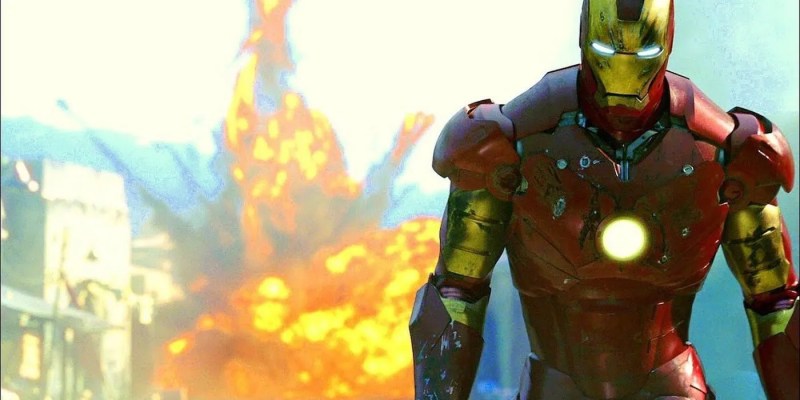
The first time Tony Stark’s voice boomed through theaters—"I am Iron Man!"—it wasn’t just a line from a movie; it was a sonic declaration. The song, a reimagined version of Black Sabbath’s "Iron Man" (1970), became an instant cultural touchstone, blending heavy metal’s raw power with the cinematic grandeur of Robert Downey Jr.’s iconic performance. What began as a post-credits tease in Iron Man (2008) evolved into a defining anthem of the Marvel Cinematic Universe (MCU), transcending its source material to embed itself in global pop culture.
The track’s genius lay in its duality: a nostalgic callback for metalheads and a triumphant theme for audiences who saw Stark’s arc as a modern myth. Ramin Djawadi’s orchestral arrangement—layered with Ozzy Osbourne’s growl—transformed a 50-year-old riff into a symbol of reinvention, mirroring Stark’s own journey from reckless genius to reluctant savior. The song didn’t just score a movie; it became the movie’s emotional core, a sonic representation of defiance, technology, and redemption.
Yet its legacy extends beyond the MCU. The "I Am Iron Man" song sparked debates about intellectual property, inspired countless covers (from metal bands to symphonies), and even influenced how superhero soundtracks are composed today. It’s a case study in how music can elevate a franchise, proving that sometimes, the most memorable moments aren’t the action set pieces—but the notes that linger long after the credits roll.

The Complete Overview of the "I Am Iron Man" Song
The "I Am Iron Man" song is more than a soundtrack cue; it’s a cultural artifact that bridges generational gaps. Released in 2008 as part of Iron Man’s score, it repurposed Black Sabbath’s original track, stripping away the band’s occult lyrics to replace them with Tony Stark’s monologue. This wasn’t just a cover—it was a recontextualization, turning a 1970s metal anthem into a 21st-century hero’s theme. The result? A fusion of Ozzy Osbourne’s guttural vocals and Ramin Djawadi’s soaring orchestration, creating a sound that felt both ancient and futuristic.What makes the song enduring is its adaptability. It functioned as a post-credits surprise in the first film, a full-fledged theme in Iron Man 2 (2010), and even resurfaced in Avengers: Endgame (2019) during Stark’s final moments. Audiences didn’t just hear it—they felt it, associating the riff with Stark’s genius, his armor, and his ultimate sacrifice. The song’s success also highlighted the power of sampling in modern film scoring, proving that even decades-old music could be reimagined for new audiences.
Historical Background and Evolution
The origins of "I Am Iron Man" trace back to Black Sabbath’s 1970 debut album, where Tony Iommi’s eponymous riff became one of rock’s most recognizable motifs. By 2008, the MCU’s creative team saw potential in repurposing it for Iron Man. Ramin Djawadi, the film’s composer, approached Black Sabbath’s management for permission, proposing a Stark-centric rewrite. The deal included a one-time fee and royalties tied to the film’s success—a gamble that paid off when the song became a viral sensation.The evolution of the track is fascinating. In Iron Man (2008), it played during the post-credits scene, where Stark reveals his identity to the world. For Iron Man 2, Djawadi expanded it into a full orchestral piece, adding choirs and a more heroic tone. The 2010 version even featured a live performance by Ozzy Osbourne at the film’s premiere, cementing its place in both metal and cinematic history. Over time, the song’s meaning shifted: from a secret reveal to a symbol of legacy, it mirrored Stark’s own transformation from a self-destructive playboy to a father figure.
Core Mechanisms: How It Works
Musically, the "I Am Iron Man" song operates on two levels. First, it retains Black Sabbath’s signature riff—Tony Iommi’s dissonant power chords—while stripping away the original lyrics ("I am Iron Man / I’ve got the strength") to replace them with Stark’s voiceover. This creates a juxtaposition: the raw aggression of metal meets the polished delivery of a Hollywood hero. Djawadi’s orchestration amplifies this contrast, using strings and brass to mimic the weight of Stark’s armor while keeping the metal’s edge.The song’s emotional impact lies in its pacing. The initial riff is slow and ominous, mirroring Stark’s vulnerability in the first film. As the track builds, the tempo quickens, aligning with Stark’s confidence in later iterations. The inclusion of Osbourne’s vocals adds an element of authenticity, bridging the gap between the original and its cinematic reimagining. This layering—of old and new, metal and orchestral—is why the song resonates across demographics, from metal purists to casual movie fans.
Key Benefits and Crucial Impact
The "I Am Iron Man" song didn’t just enhance Iron Man—it redefined how superhero music could work. Before 2008, most film scores for action movies relied on bombastic, non-diegetic themes (think John Williams’ Star Wars or Hans Zimmer’s Inception). The MCU’s approach was different: it used existing music, repurposed it, and made it feel fresh. This strategy had immediate benefits, including cost efficiency (no need to compose entirely new material) and instant recognition (leveraging Black Sabbath’s legacy).Beyond the box office, the song sparked a cultural phenomenon. Fans began covering it in metal, classical, and even electronic styles, proving its versatility. It also opened doors for other franchises to explore sampling, leading to collaborations like Guardians of the Galaxy’s use of classic rock. The song’s impact on Marvel’s brand was equally significant: it gave the MCU a musical identity, one that felt both epic and personal.
"Music is the soundtrack of our lives. And in Tony Stark’s case, it was the soundtrack of his redemption." — Ramin Djawadi, composer of Iron Man (2008)
Major Advantages
- Instant Recognition: By using Black Sabbath’s riff, the song tapped into a pre-existing fanbase, making it memorable from the first note.
- Emotional Resonance: Stark’s voiceover added a personal touch, turning a generic metal track into a character-driven anthem.
- Cost-Effective Innovation: Repurposing music reduced production costs while delivering a high-impact result.
- Cultural Bridging: The song appealed to metalheads and general audiences alike, broadening its appeal.
- Legacy Building: Its reuse in later films (e.g., Endgame) reinforced its status as a franchise staple.

Comparative Analysis
| Aspect | "I Am Iron Man" (2008) | Original Black Sabbath (1970) |
|---|---|---|
| Lyrics | Tony Stark’s monologue ("I am Iron Man") | Occult-themed ("I’ve got the strength...") |
| Musical Style | Metal/orchestral hybrid | Heavy metal with blues influences |
| Cultural Role | Superhero identity reveal | Album opener, proto-metal statement |
| Legacy | MCU anthem, multiple reuses | Foundational metal track, influenced countless bands |
Future Trends and Innovations
The success of "I Am Iron Man" suggests a future where film soundtracks increasingly rely on sampling and recontextualization. As streaming platforms prioritize original content, composers may turn to licensing existing music to create instant emotional hooks. The MCU’s approach—blending nostalgia with innovation—could also influence video games, where dynamic soundtracks (like The Last of Us Part II) are becoming standard.Another trend is the rise of "fan-driven" soundtracks, where audiences commission covers or remixes (e.g., Iron Man’s metal covers on YouTube). This participatory culture could lead to more interactive music experiences, where films and games adapt based on fan input. For now, "I Am Iron Man" remains a benchmark: a proof that the right song, at the right time, can transcend its origins and become something entirely new.
Conclusion
The "I Am Iron Man" song is a masterclass in how music and storytelling can intersect. It took a 50-year-old riff and turned it into a symbol of modern heroism, proving that greatness isn’t about originality—it’s about relevance. From its debut in 2008 to its emotional finale in Endgame, the track has evolved alongside Stark’s character, making it more than just a song: it’s a cultural artifact.As the MCU continues to expand, the legacy of "I Am Iron Man" serves as a reminder of the power of adaptation. In an era of endless content, the most enduring creations are those that feel familiar yet fresh—just like the man behind the armor.
Comprehensive FAQs
Q: Who originally wrote the "I Am Iron Man" song?
The original "Iron Man" was written by Black Sabbath (Tony Iommi, Ozzy Osbourne, Geezer Butler, Bill Ward) and released in 1970. The MCU’s version is a reimagined adaptation by Ramin Djawadi, featuring Stark’s voiceover.
Q: Why did Marvel choose Black Sabbath’s song for Iron Man?
Marvel’s team sought a track with a strong, recognizable riff that could symbolize Stark’s power and identity. Black Sabbath’s "Iron Man" fit perfectly due to its industrial, metallic sound—mirroring Stark’s armor and persona.
Q: How much did Black Sabbath earn from the Iron Man adaptation?
Reports suggest Black Sabbath received a one-time fee plus royalties tied to the film’s success. While exact figures aren’t public, the deal was reportedly lucrative, given the song’s viral impact.
Q: Are there official covers of the song?
Yes. Ozzy Osbourne performed a live version at Iron Man 2’s premiere, and the MCU has released orchestral arrangements. Fans have also created countless covers, from metal bands to symphonies.
Q: Will the song appear in future Marvel films?
While not confirmed, given its emotional weight (especially in Endgame), it’s likely to remain part of the MCU’s musical legacy. Future films may reference it in flashbacks or new contexts.
Q: How did the song influence other superhero soundtracks?
It paved the way for franchises like Guardians of the Galaxy to use licensed music, proving that sampling could enhance storytelling. The approach has since become a staple in modern film scoring.
Q: What makes the song’s orchestration unique?
Ramin Djawadi blended Black Sabbath’s riff with full orchestration, adding choirs and brass to create a heroic, cinematic feel. This fusion of metal and classical elements made it stand out in superhero soundtracks.
Leave a Comment
Comments are moderated before appearing. The data you submit is processed according to the Privacy Policy of Vetlife Archive.